
Englewood, Littleton
Roller Replacement for Englewood's 1965-Era Garage Doors
Englewood homes built around 1965 run original steel rollers on narrow track. We bring Littleton's roller stock 4 miles over and fix the noise at the source.
Why It Happens Here
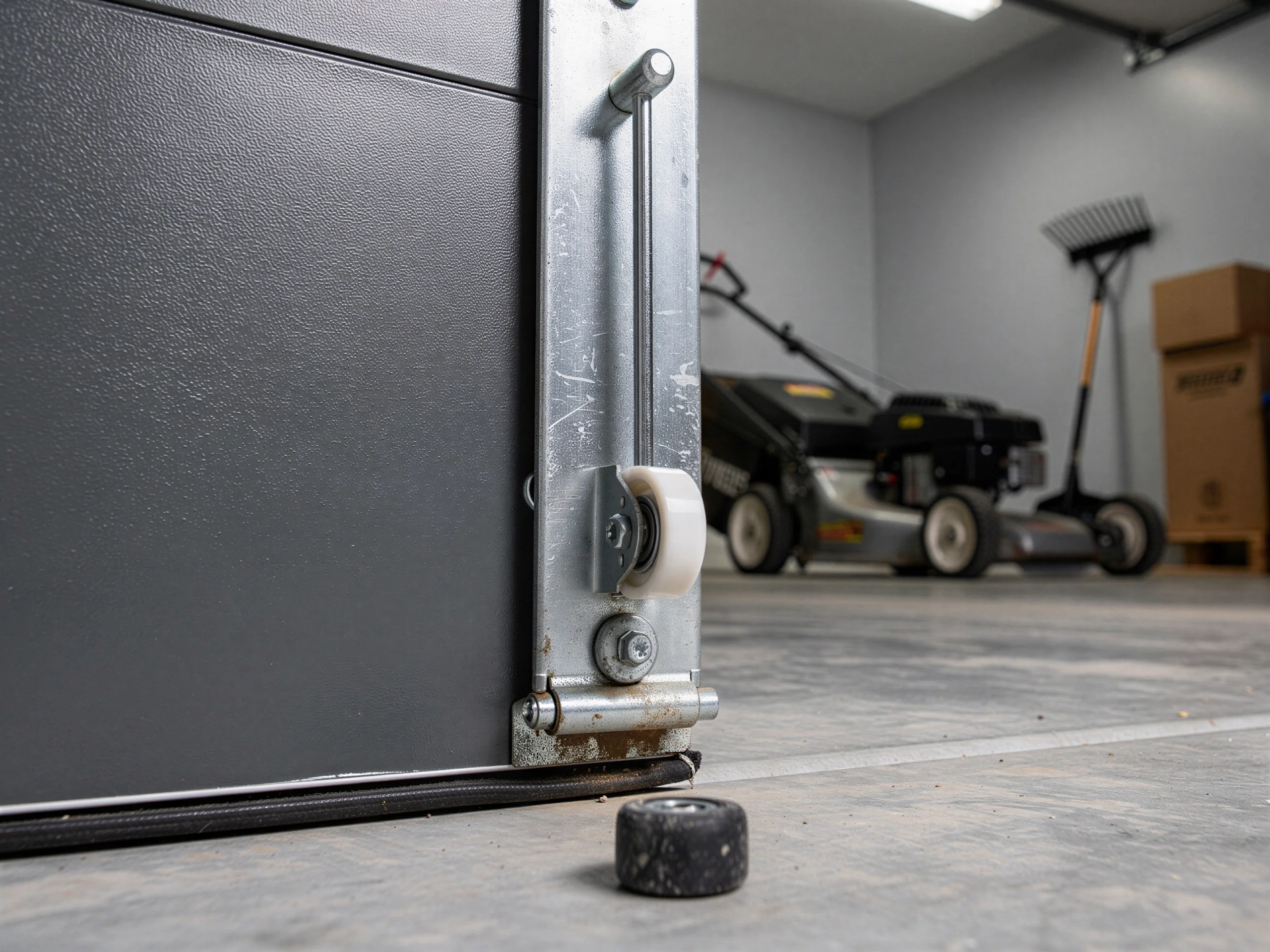
The drive from our shop in Littleton to a job in Englewood is short, about 4 miles, which matters less for how fast we get there than for what we already know is in the truck before we leave. Englewood's housing stock centers on 1965, right in the middle of the 1960s-70s build-out that covers most of this service area. Doors from that era were hung with steel rollers riding in narrower track than what gets installed today, and after five or six decades those rollers wear oval instead of round. You hear it before you see it: a flat spot thumping once per rotation as the door travels.
Cold is the other half of the problem. This area sits in a severe cold climate band, and steel rollers without sealed bearings seize up when the grease in the roller stem stiffens overnight. The door stutters on the first pull of the morning, frees up by afternoon, and the owner assumes it fixed itself. It didn't - it just warmed up. On a 16,308-household area like this one, that combination of original narrow-gauge track and steel rollers is the single most common reason we get called out for noise rather than an outright failure.
What Is on the Truck
Because the run from Littleton is only 4 miles, we load for the job before we leave rather than guessing on site. For Englewood that means both narrow-track steel rollers to match 1965-era hardware and the sealed nylon rollers we swap them for when a customer wants quiet.
Sealed nylon roller benefits
Nylon rollers with sealed bearings don't need grease and don't seize in the cold the way open steel stems do, which matters here given the severe winter swings this area sees.
Longer stems for deep brackets
We also carry the longer roller stems that older track calls for, since a lot of Englewood doors still use the deeper jamb bracket from their original 1965 install rather than the shallower bracket common on newer builds. Matching stem length to bracket depth is the difference between a roller that tracks straight and one that binds within a season.
Track priced after inspection
What we don't carry as standard stock is full replacement track in every gauge - if the track itself is bent or the gauge has been discontinued, that's a job we price after we see it, not off a phone call.
The DIY Question
Rollers look like a bolt-on part, and on paper they are - unscrew the bracket, slide out the old roller, slide in the new one.
Bottom roller tension danger
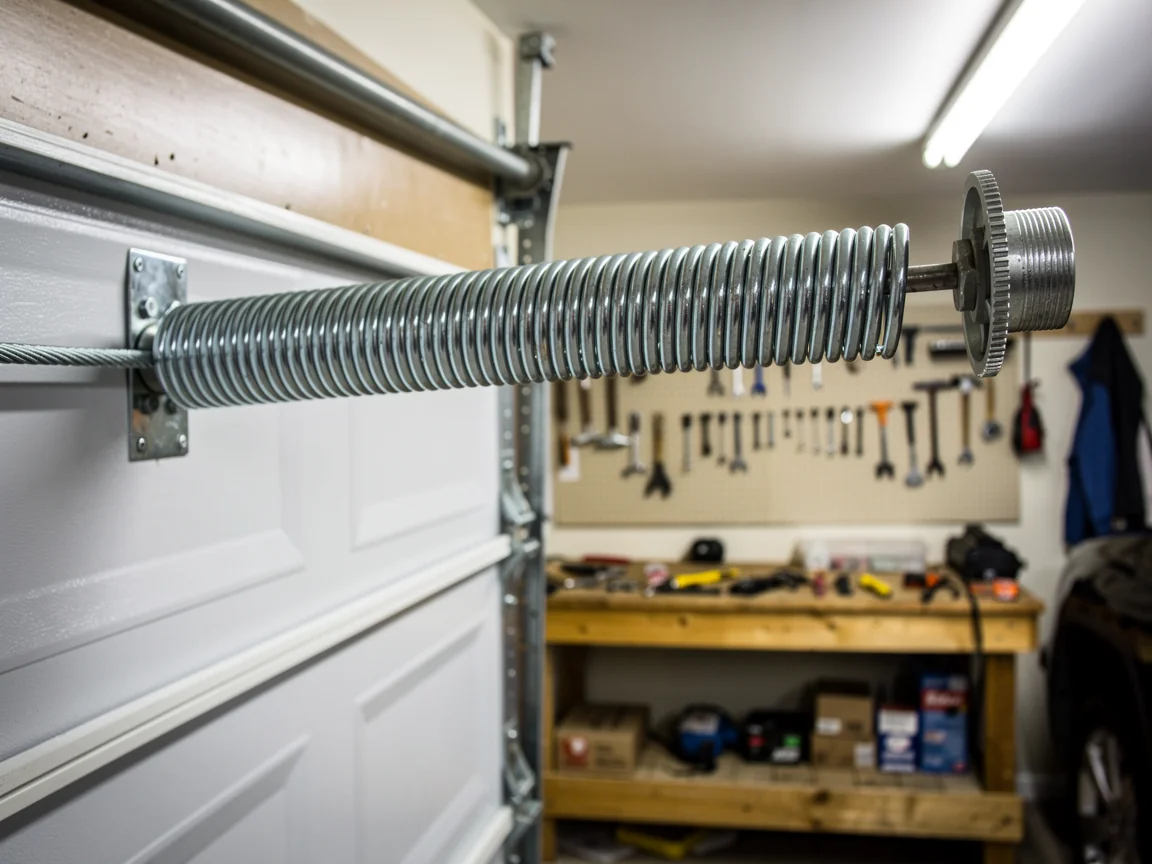
The part most homeowners miss is that the bottom two rollers sit under cable tension from the torsion spring system, and loosening the wrong bracket on a door built in 1965 with original hardware can let a track section shift while you've got your hand in it.
Top rollers DIY-friendly
If your door is one of the newer ones in the area and the rollers are easy to reach without touching the bottom brackets, swapping the top few yourself is reasonable. We won't talk you out of that.
Single-spring bottom roller limit
Where we'd stop you is the bottom roller on a single-spring door from this era - the spring sizing on those older systems often isn't matched to today's door weight after insulation retrofits, and a slipped cable under load is how people get hurt. That's not a sales pitch, it's where the job stops being a weekend project.
The Symptom
The sound you're listening for is specific: a rhythmic thump or grind that repeats once per roller rotation, loudest when the door is about half open and the worn roller is mid-track.
Steady rising roller noise
It's different from the single bang of a cable jumping a drum or the sharp crack of a spring letting go - roller wear is steady, repetitive, and gets louder over weeks, not seconds. On Englewood's 1960s-70s stock, that noise often shows up first in cold weather because steel rollers bind before they wear visibly flat.
Morning-only grinding
If you're hearing it only on the first open of the day and it quiets down by afternoon, that's the grease stiffening in an old steel stem, not a dying bearing - though it will become one eventually.
Suspiciously quiet door
A door that's gone quiet and smooth after years of that rhythm usually means the roller finally wore through enough to stop catching, which is worse, not better.
Questions
Common questions
Is roller noise in an older Englewood garage normal in winter?
It's common, not normal. Steel rollers from the 1960s-70s era this area was mostly built in use open bearings that stiffen in cold weather, so a door that's noisy at 6 a.m. and quiet by noon is telling you the grease is seizing, not that anything fixed itself. It's worth replacing before the roller wears flat.
Do you carry parts that fit a 1965-era door without a special order?
We stock narrow-track steel rollers and sealed nylon rollers that match the gauge common to Englewood's 1960s-70s housing stock on the truck, since it's a 4-mile run from our shop in Littleton. Discontinued track sections or nonstandard gauges sometimes need to be priced on site first.
Can I replace just the bottom rollers myself?
On a door with original hardware from this era, we'd rather you didn't. The bottom rollers sit near cable tension from the torsion spring, and loosening the wrong bracket can let the track shift while your hand is in it. Top rollers on newer doors are a more reasonable DIY job.
Explore more
More Services in Englewood
Emergency Garage Door
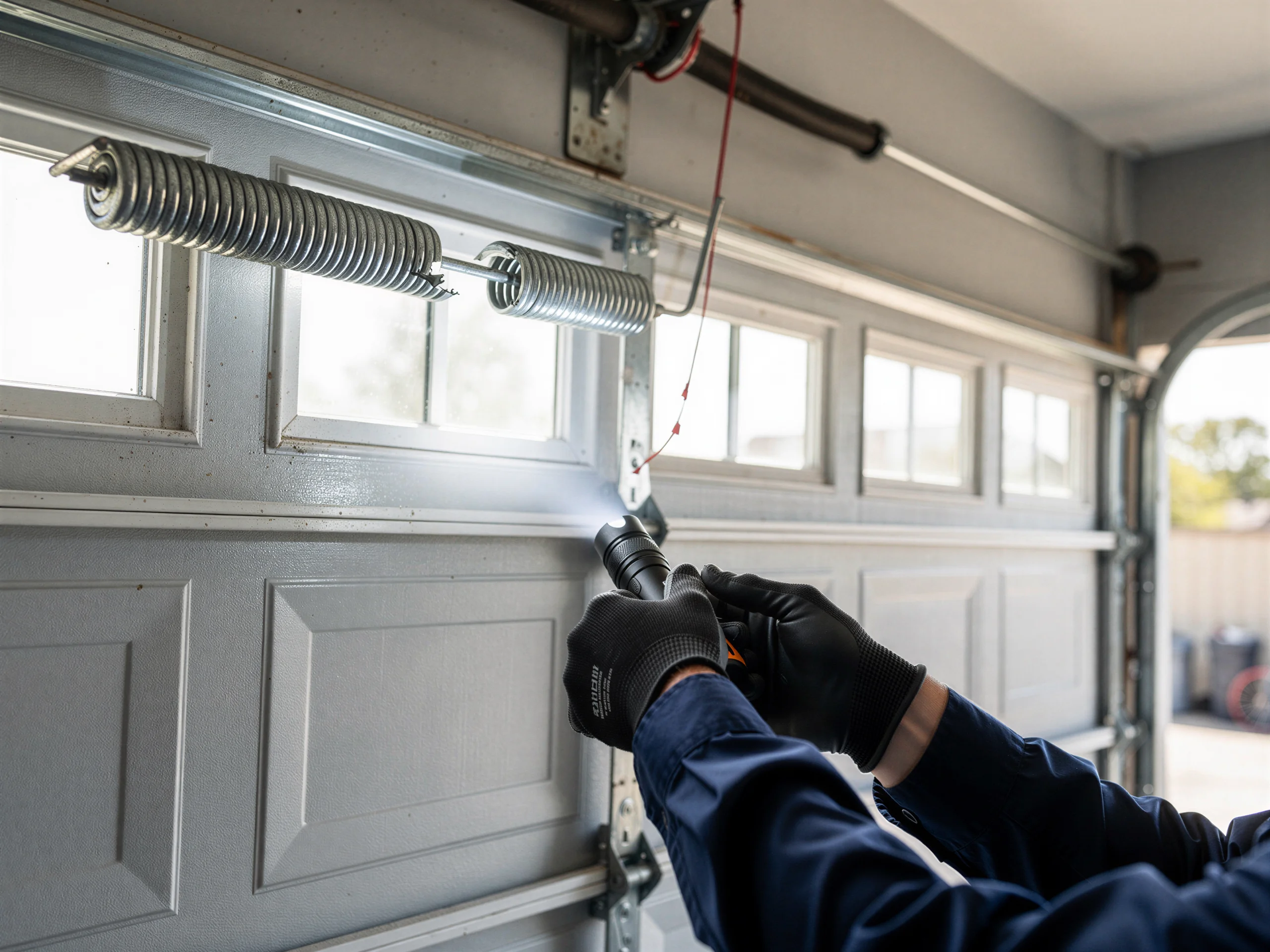
Englewood homes built around 1965 still run original torsion hardware. Learn more →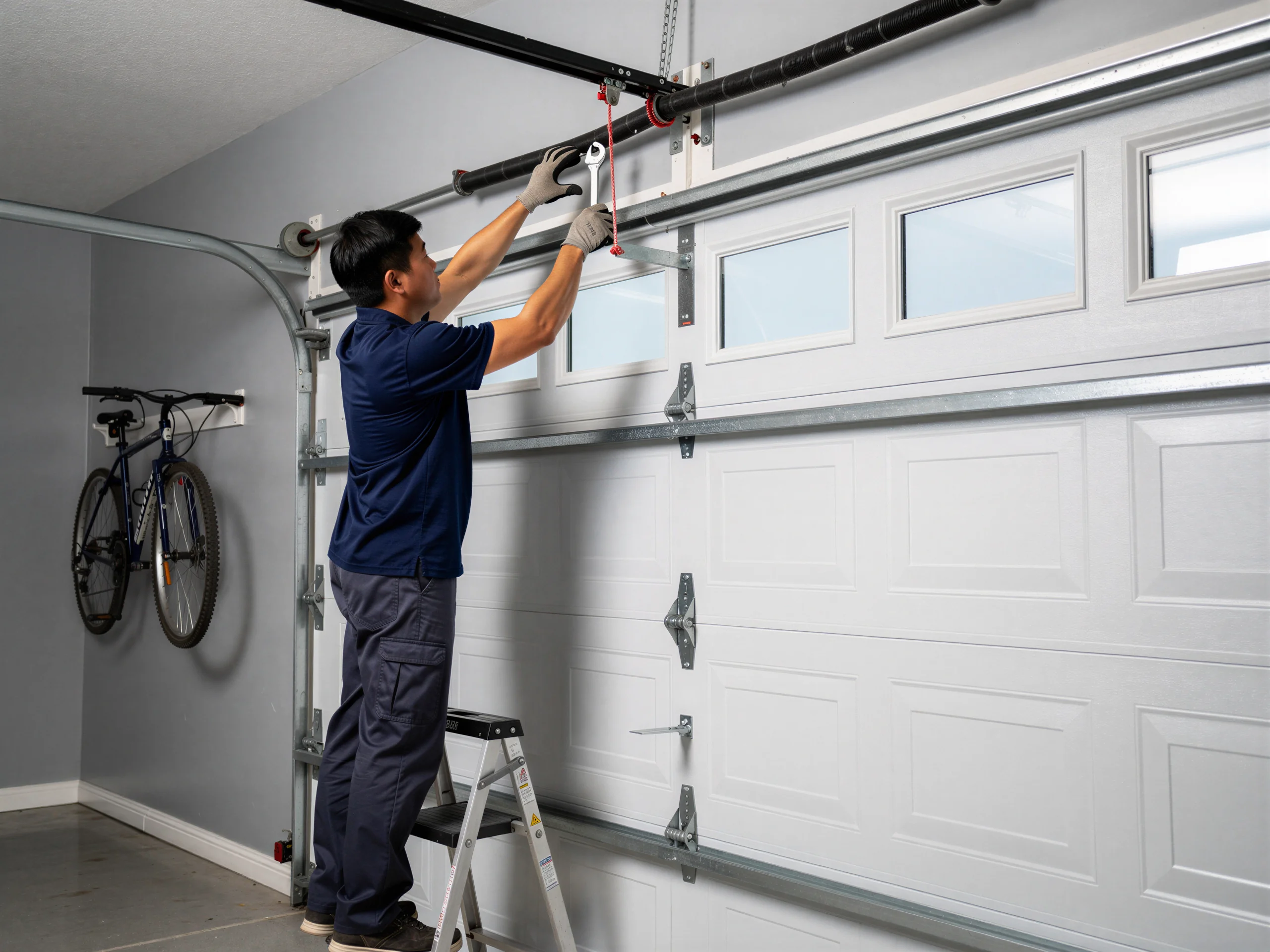
Garage Door Repair
Englewood's median income runs well below the rest of our Littleton service area, and that gap decides whether a 1965-era garage door gets repaired or replaced. Learn more →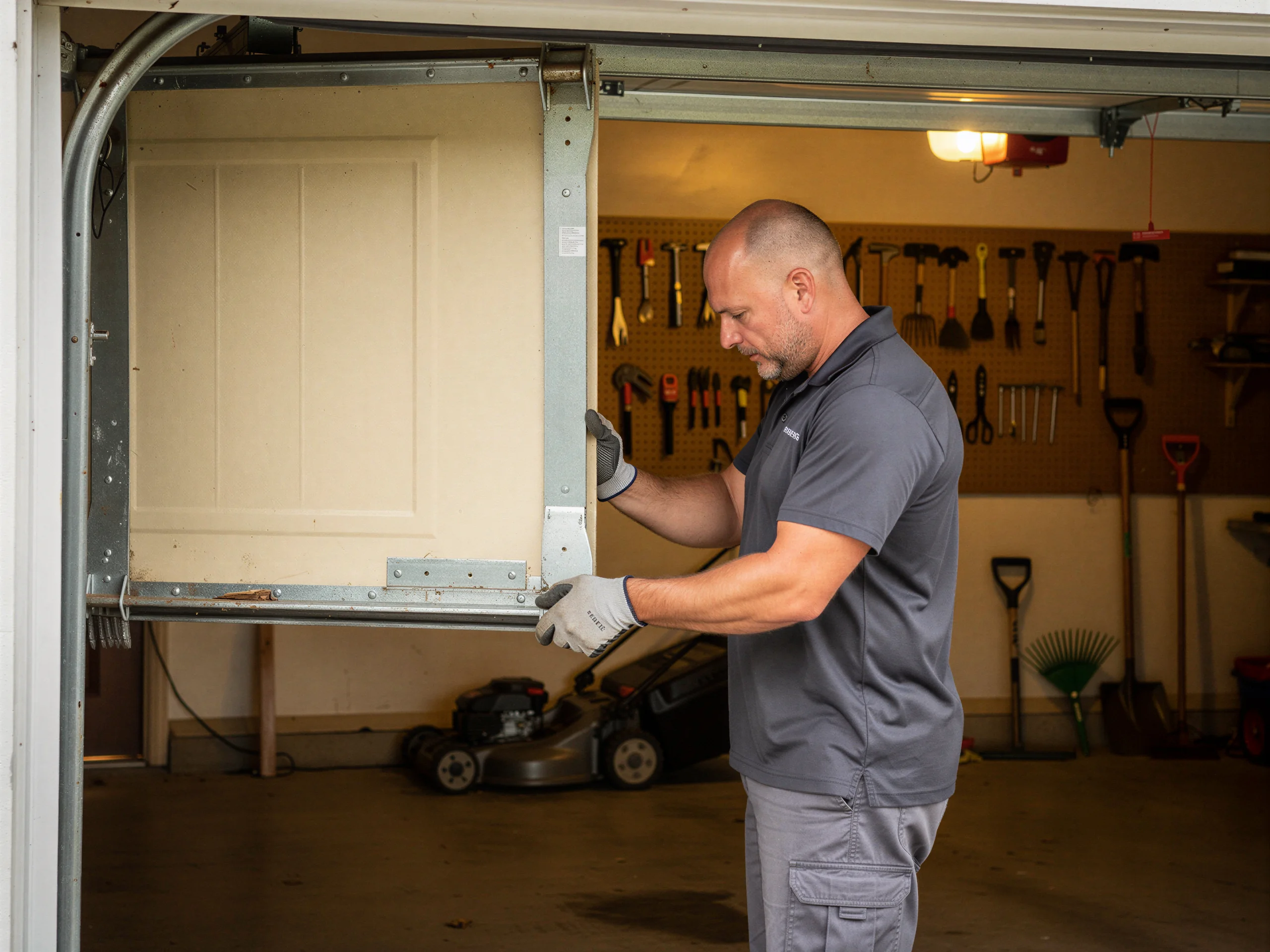
Garage Door Service
Englewood homes run older than the Littleton average, with 1960s doors and hardware that needs specific parts. Learn more →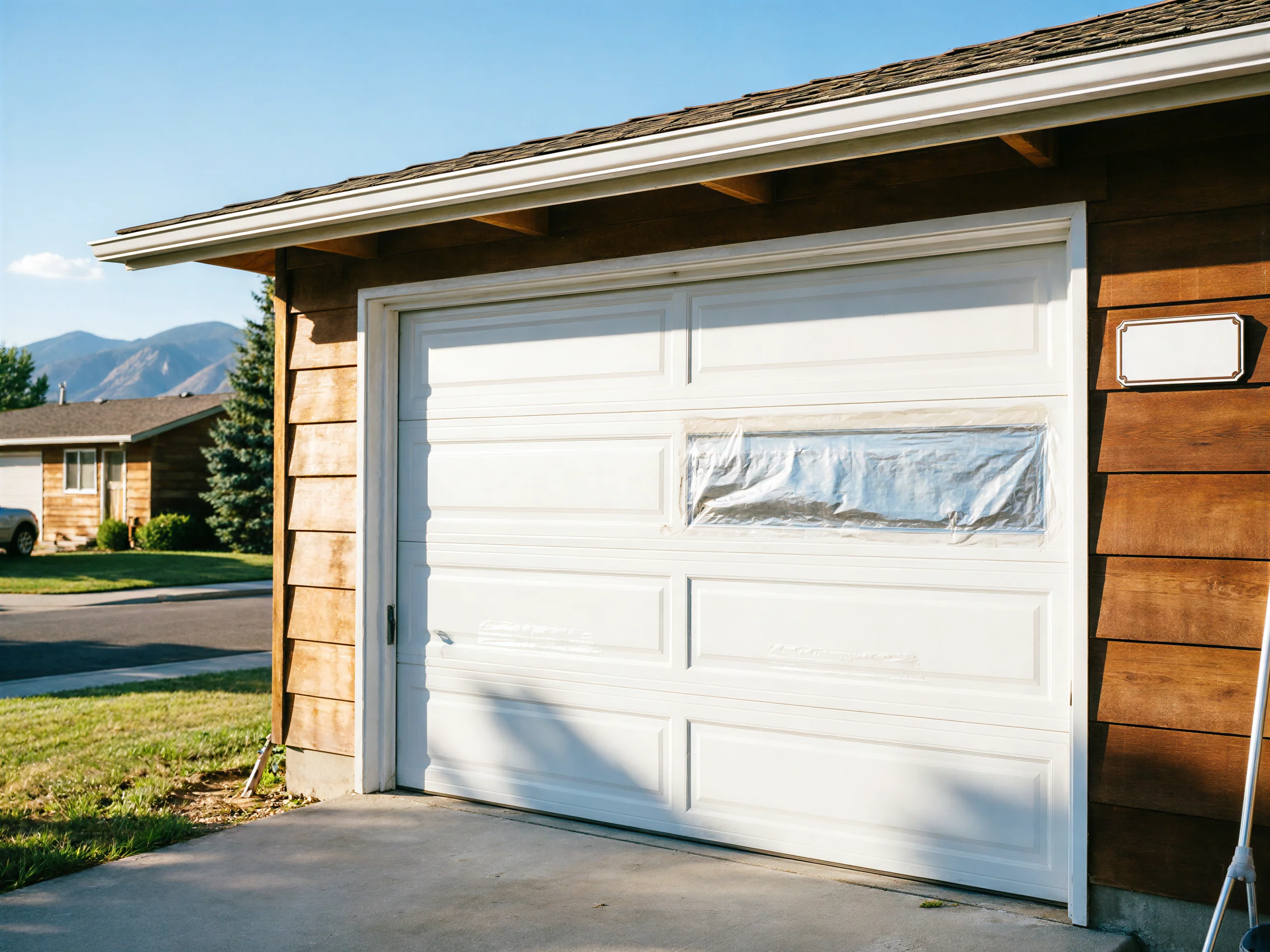
New Door Installation
Englewood homes mostly date to 1965, built for garage door hardware no longer made. Learn more →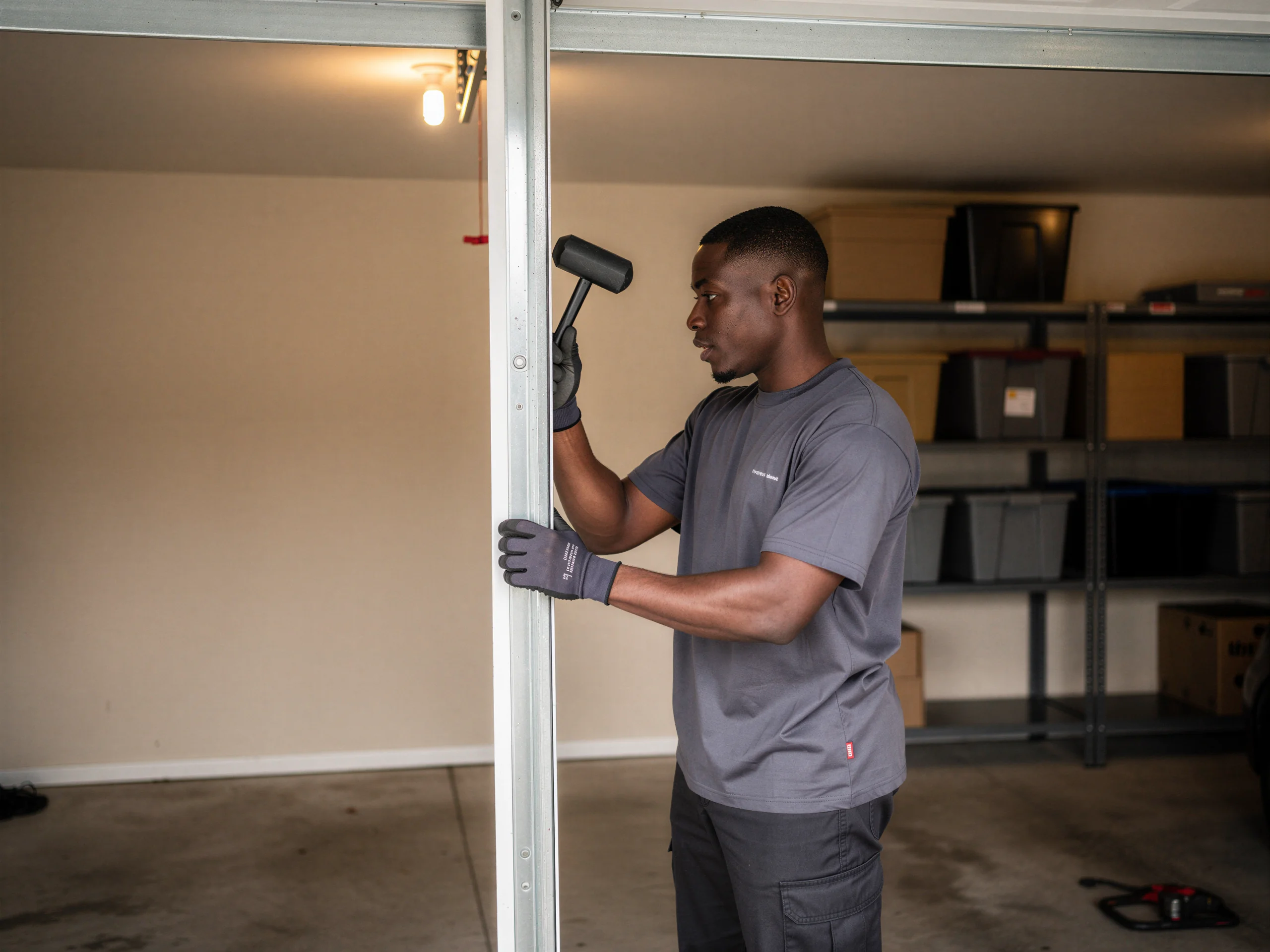
Off Track Repair
Englewood's 1965-era steel sectional doors ride on original track hardware that shifts with age. Learn more →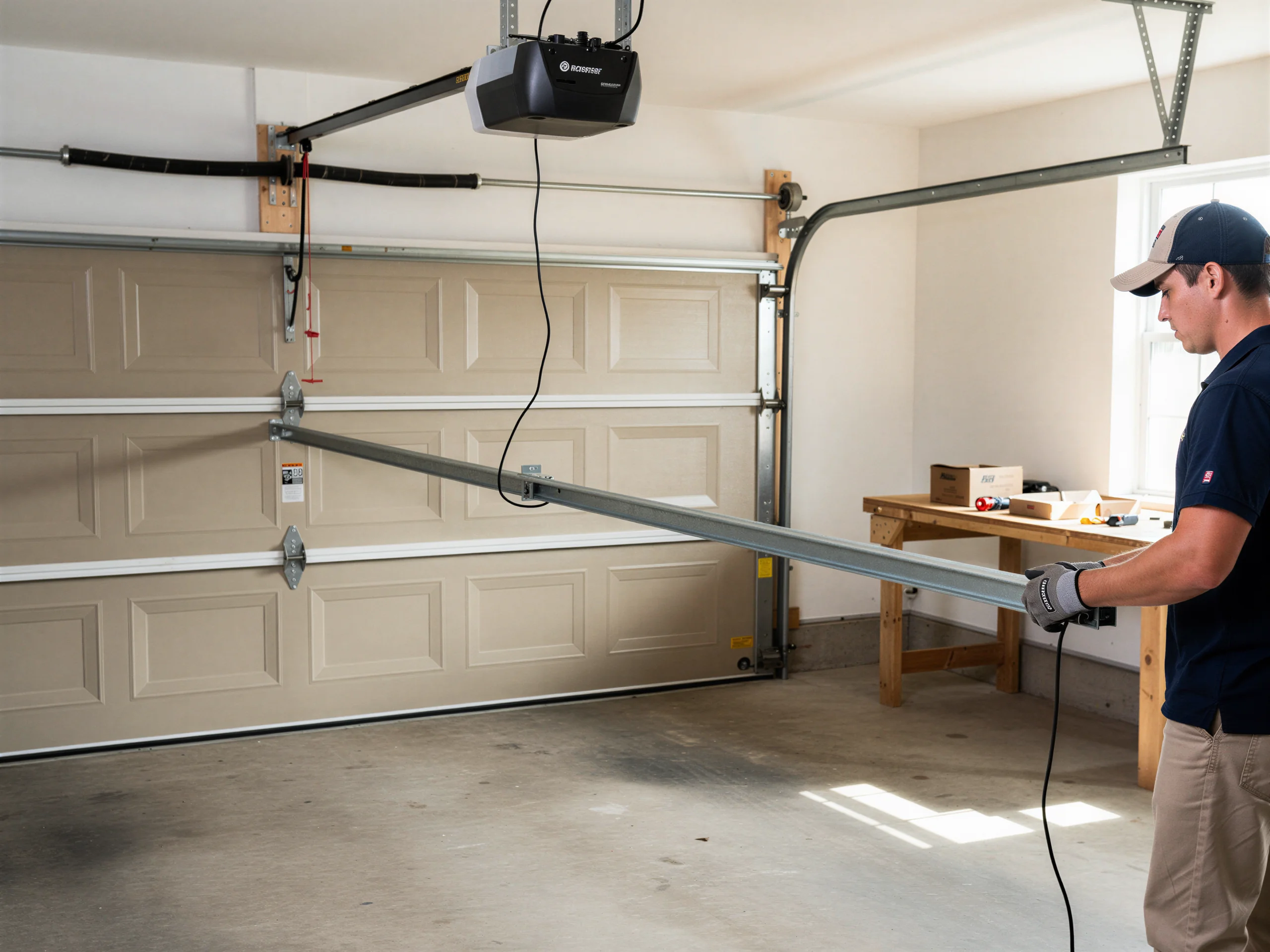
Opener Installation
Englewood homes went up mostly in 1965, with chain-drive openers from that era still hanging on. Learn more →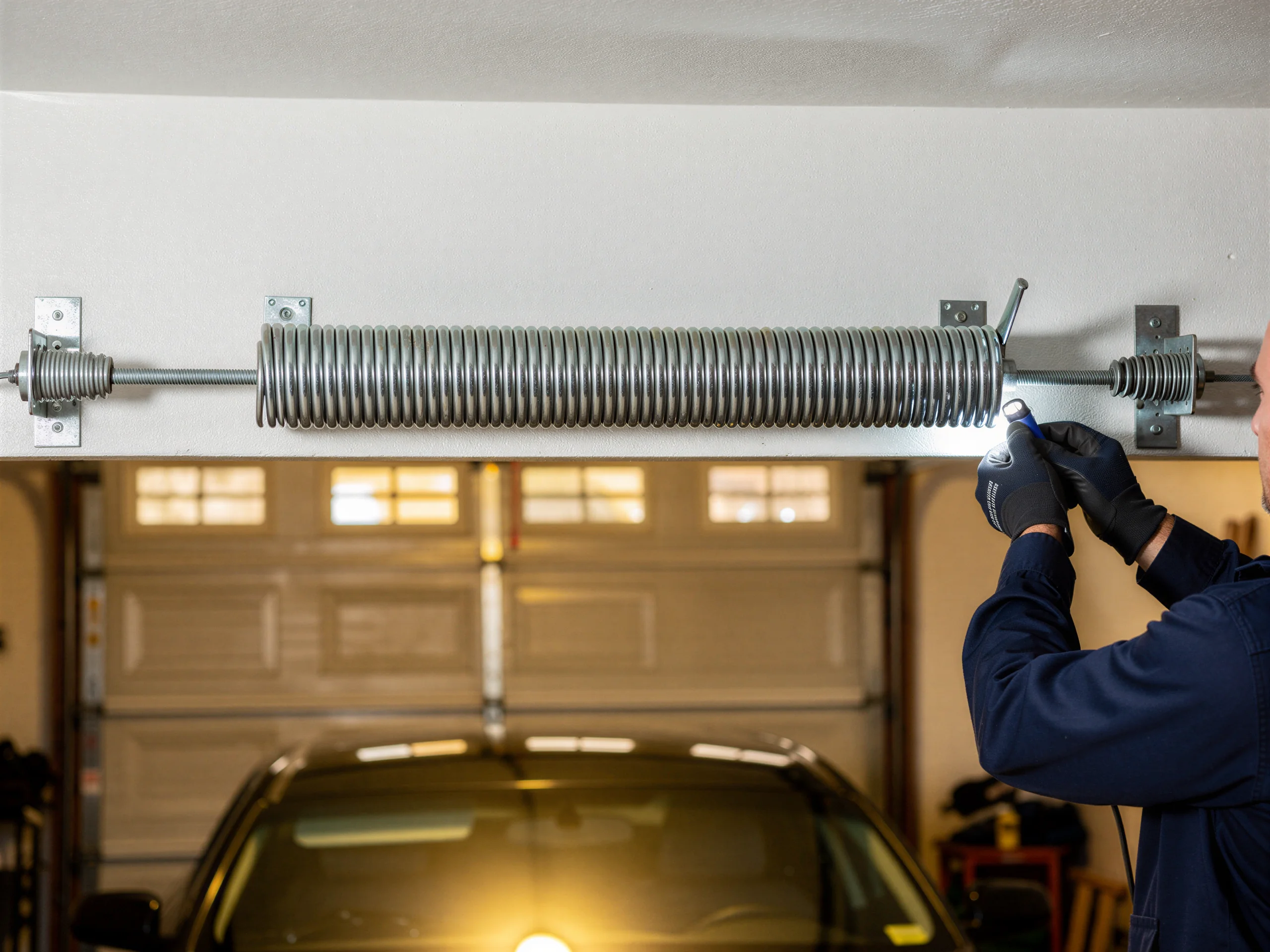
Spring Repair
Englewood's 16,308 households sit mostly on 1960s-era one-piece doors with torsion hardware built for a different climate. Learn more →Ready when you are
Noisy or worn garage door rollers in Englewood?
Littleton Garage Door Pros repairs and installs garage doors, springs and openers in Littleton, CO and the surrounding area.