Englewood, Littleton
New Garage Doors for Englewood's 1965-Era Homes
Englewood homes mostly date to 1965, built for garage door hardware no longer made. Littleton Garage Door Pros installs new doors sized to fit those openings.
Why It Happens Here
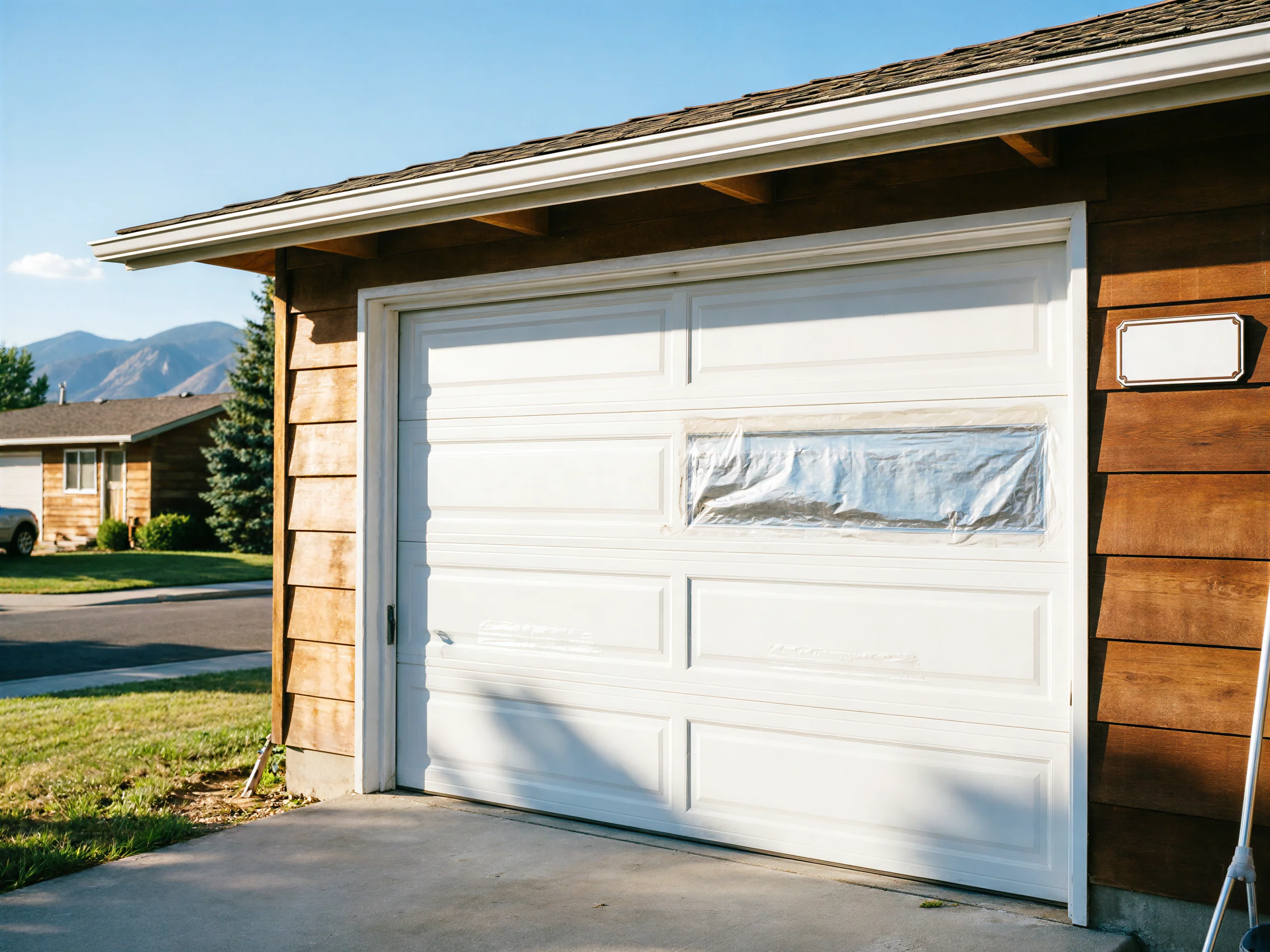
The call we get most from Englewood is the same one: a door that's gone soft at the bottom corners, won't seal against the slab, and rattles on a track that's spread wider than the rollers it was built with. That's the fault, not the service - a worn-out door losing its fight with an opening sized for a different decade.
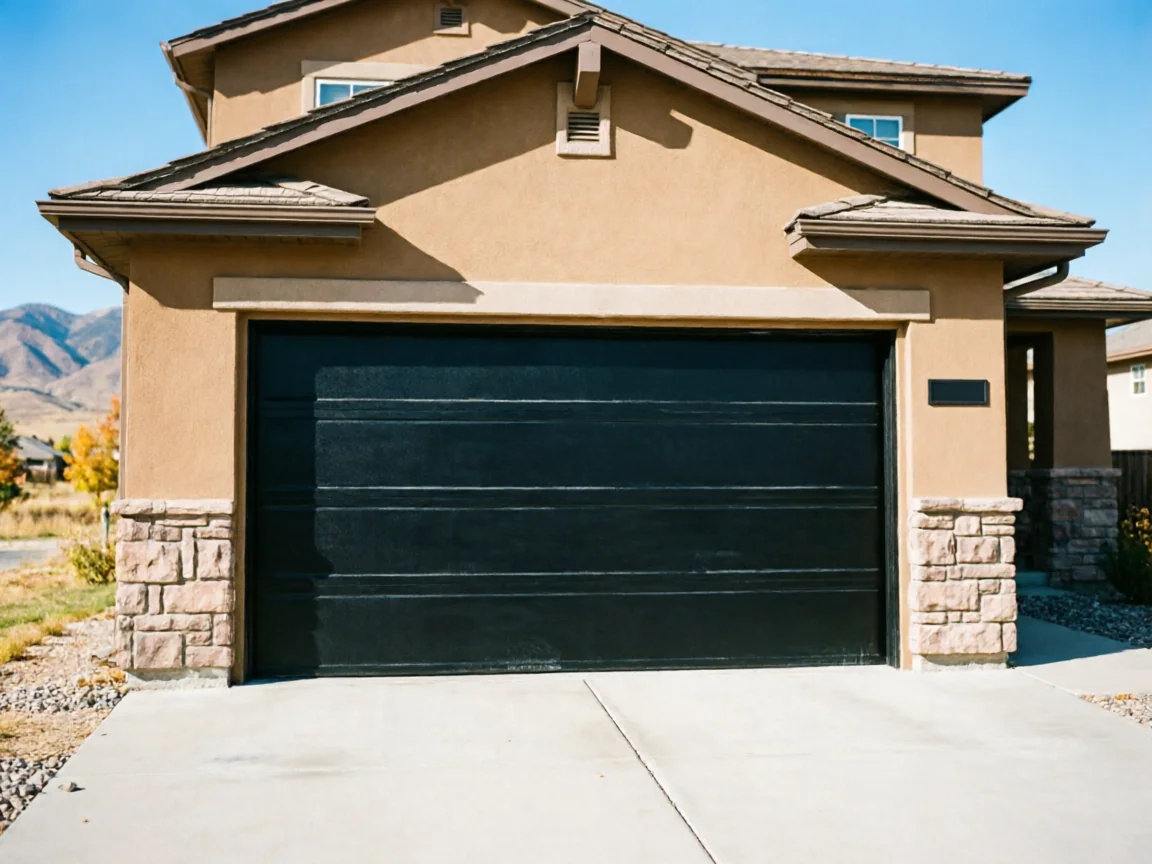
Most houses in Englewood went up around 1965, inside the broader 1938 to 2005 window for the region, with the bulk of that regional stock dating to the 1960s and 70s across the named areas we cover. Of the roughly 125,216 households across the whole service area, Englewood's share sits at about 16,308, nearly all inside that same 1965 build era. Doors from that year are single-layer steel or wood hung on hardware - rollers, hinges, sometimes extension springs instead of torsion - that nobody makes new anymore. When one of those doors finally gives out, you're not patching it; you're replacing the whole package because the old parts don't exist to match.
If you're weighing repair against replacement first, our Englewood garage door page covers that side of it.
What Is on the Truck
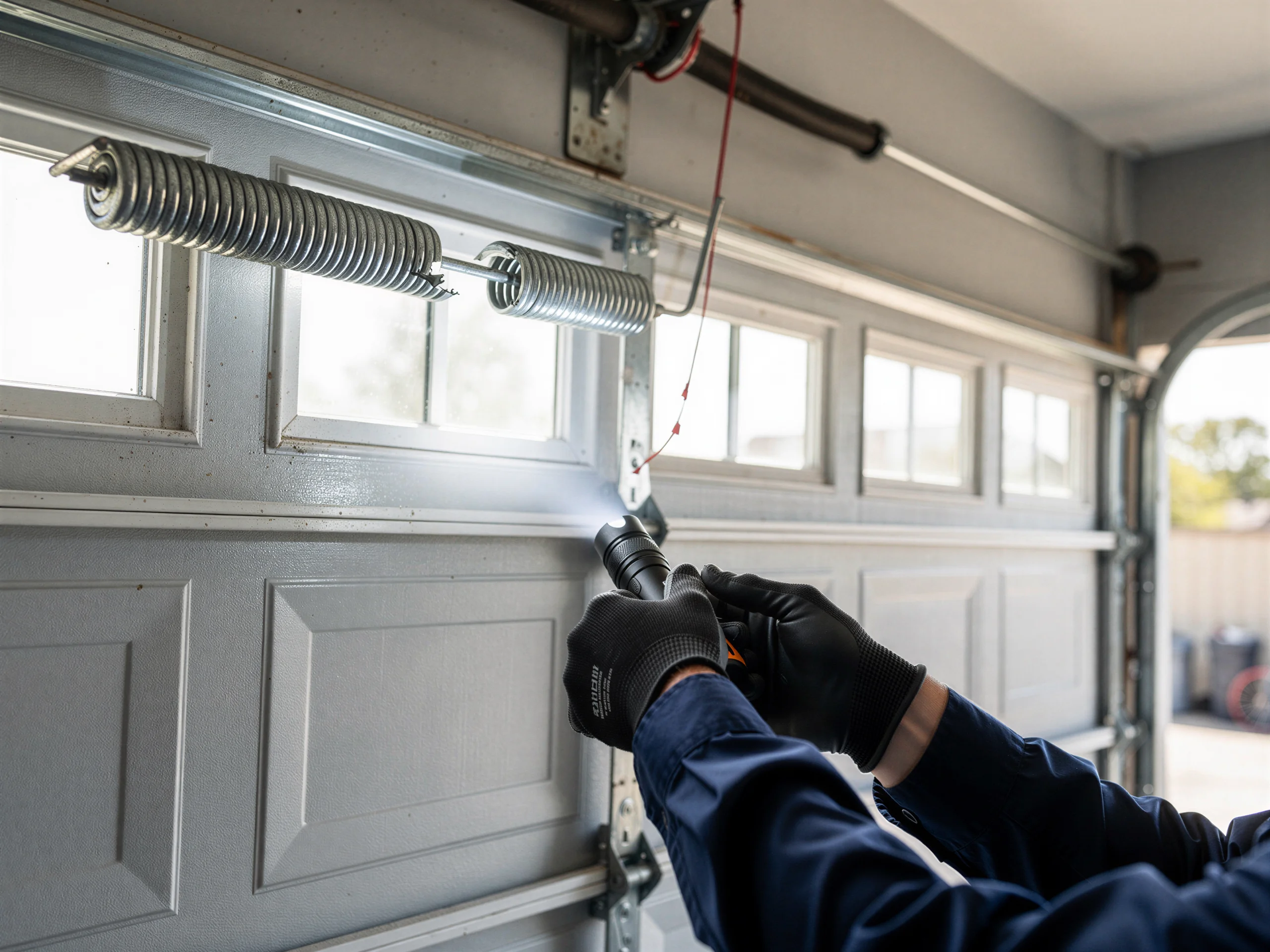
For a new install in a house built around 1965, the truck carries torsion hardware to replace tired extension springs, since most of these openings were never set up for a center-mounted shaft.
Cold-rated insulated panels
We bring insulated steel panel doors rated for the cold, severe winters this part of Colorado sits in - a bare single-layer door doesn't hold heat through a Front Range winter the way an insulated one does.
Low-headroom track kits
We also carry low-headroom track kits, because older garages here were framed tighter above the door than current code calls for, and a standard torsion kit won't clear. We keep basic jamb and weatherstrip stock on hand too, for openings that have shifted slightly out of square over sixty years - common on a frame that old, not a defect you caused.
Mid-range steel as default
Across the service area the median household income runs about $116,838, and Englewood's own figure sits lower, around $82,016, which is part of why we stock mid-range insulated steel doors as the default rather than premium carriage-style wood. What's not on the truck: custom wood doors built to order. Those run on manufacturer lead times measured in weeks, and we say so up front rather than promise a date we can't hit.
The DIY Question
Swapping weatherstrip or a roller is a Saturday job. Replacing the door itself on a house this age usually isn't, because the fix includes swapping spring systems, not just panels.
Torsion conversion steps
A torsion conversion means re-drilling the header, setting spring tension to match the new door's weight, and squaring a track system against a frame that's had sixty years to settle.
Wrong spring count danger
Get the spring count wrong on a double door and it either won't lift the door or it tears loose under tension - that second outcome sends people to the ER, not just back to the hardware store. If you're set on doing part of the install yourself, the panels and the track are the easier pieces to lift and align.
Leave spring work to pros
Leave the spring work and the header drilling to someone with the winding bars and the right tools, or budget enough that a professional check-over costs less than an emergency room copay. For the general mechanics of a new install, our Littleton installation page walks through what the job involves.
The Symptom
The giveaway in an Englewood install call almost never starts with "my door won't open." It starts with a gap at the bottom corners you can see daylight through, a door that looks fine closed but lets a draft in on a cold morning, or a utility bill that crept up over a winter or two without an obvious reason. On a 1965-era single-layer door in Englewood homes, that's the insulation layer doing nothing, because there isn't one.
Sometimes the symptom is noise instead of air: a grinding or popping on the way down that means the track has finally spread past what a tune-up fixes. Either way, by the time a homeowner calls about new installation rather than repair, the door has usually been telling them for a year. A new door sized and insulated for this climate band fixes the draft and the noise at the same time, since they're coming from the same worn-out original.
Questions
Common questions
How old are most garage doors in Englewood?
Most Englewood homes were built around 1965, inside the broader 1938 to 2005 window for this part of Colorado. Original doors from that era are single-layer steel or wood hung on hardware - rollers, hinges, sometimes extension springs instead of torsion - that manufacturers stopped making decades ago. When one finally fails, replacement usually makes more sense than trying to match parts that no longer exist.
Do you have a branch or shop in Englewood?
No. We run out of Littleton, about four miles away, and travel to Englewood for every new install. We don't claim a local depot or a guaranteed response window here - just a short drive and a crew that knows the hardware this era of house was built with.
Will a new insulated door actually lower my heating bill?
A new insulated steel door replacing a 1965-era single-layer original closes the biggest uninsulated gap in most garages, which matters given the cold, severe winters this area gets. We can't promise a dollar figure since that depends on your opener, weatherstrip, and how the garage gets used, but the physics works in your favor.
Can I install the new door myself?
Hanging panels and track is manageable for a confident DIYer. Setting torsion spring tension and drilling a new header for a converted system is not - get the spring count wrong on a double door and it can tear loose under load. We'd rather you call for that part than end up dealing with an injury.
Explore more
More Services in Englewood
Emergency Garage Door
Englewood homes built around 1965 still run original torsion hardware. Learn more →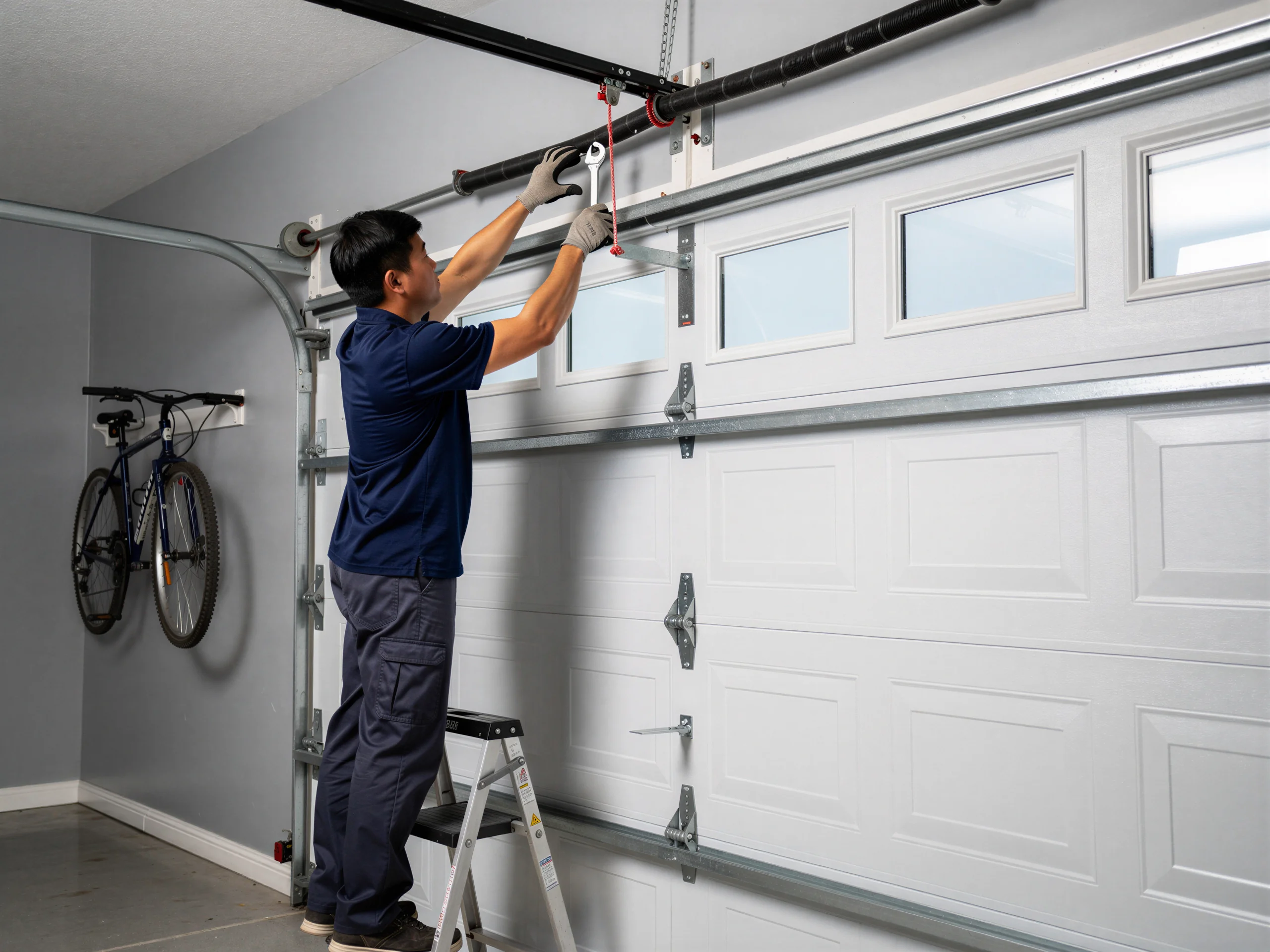
Garage Door Repair
Englewood's median income runs well below the rest of our Littleton service area, and that gap decides whether a 1965-era garage door gets repaired or replaced. Learn more →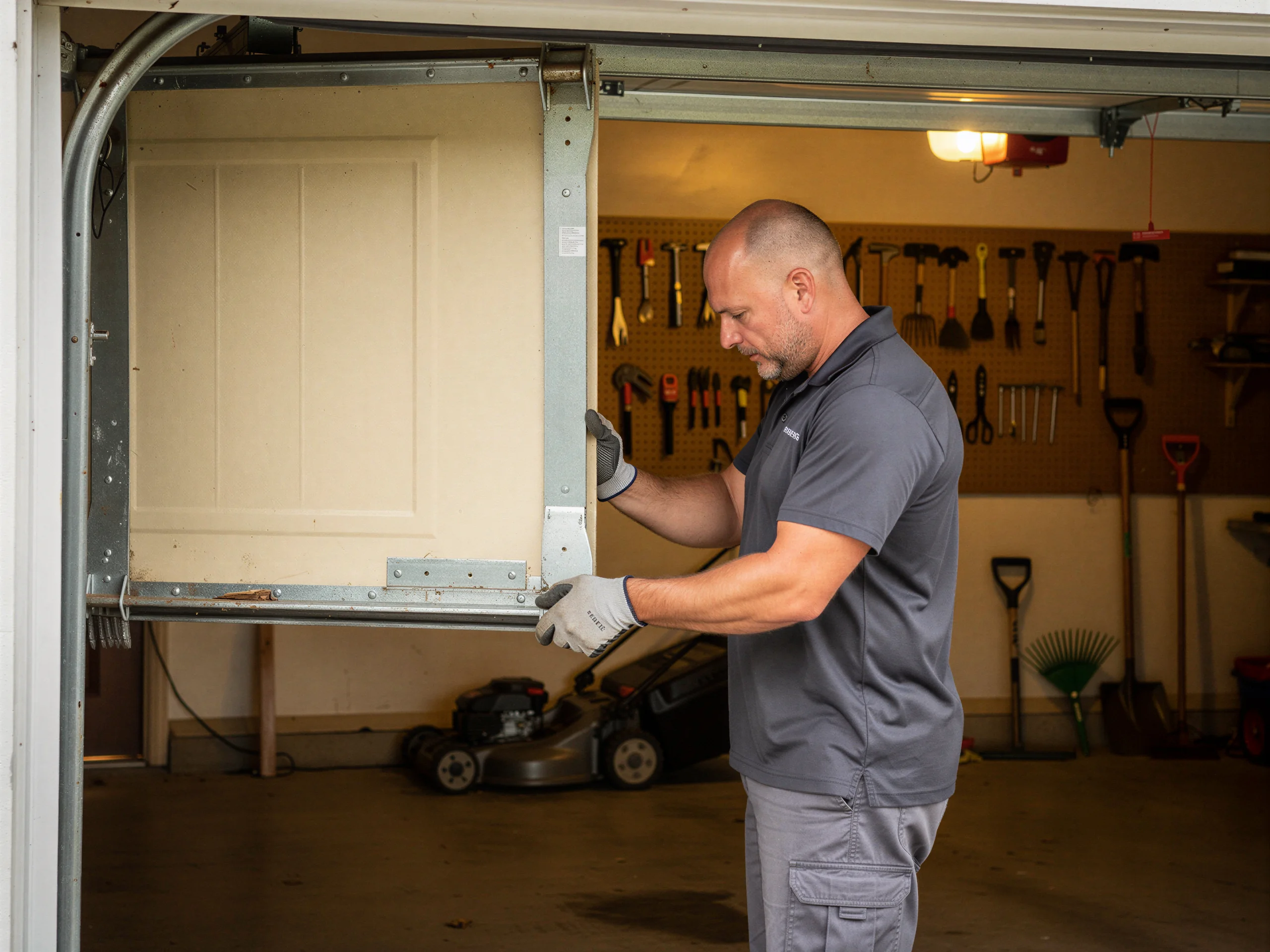
Garage Door Service
Englewood homes run older than the Littleton average, with 1960s doors and hardware that needs specific parts. Learn more →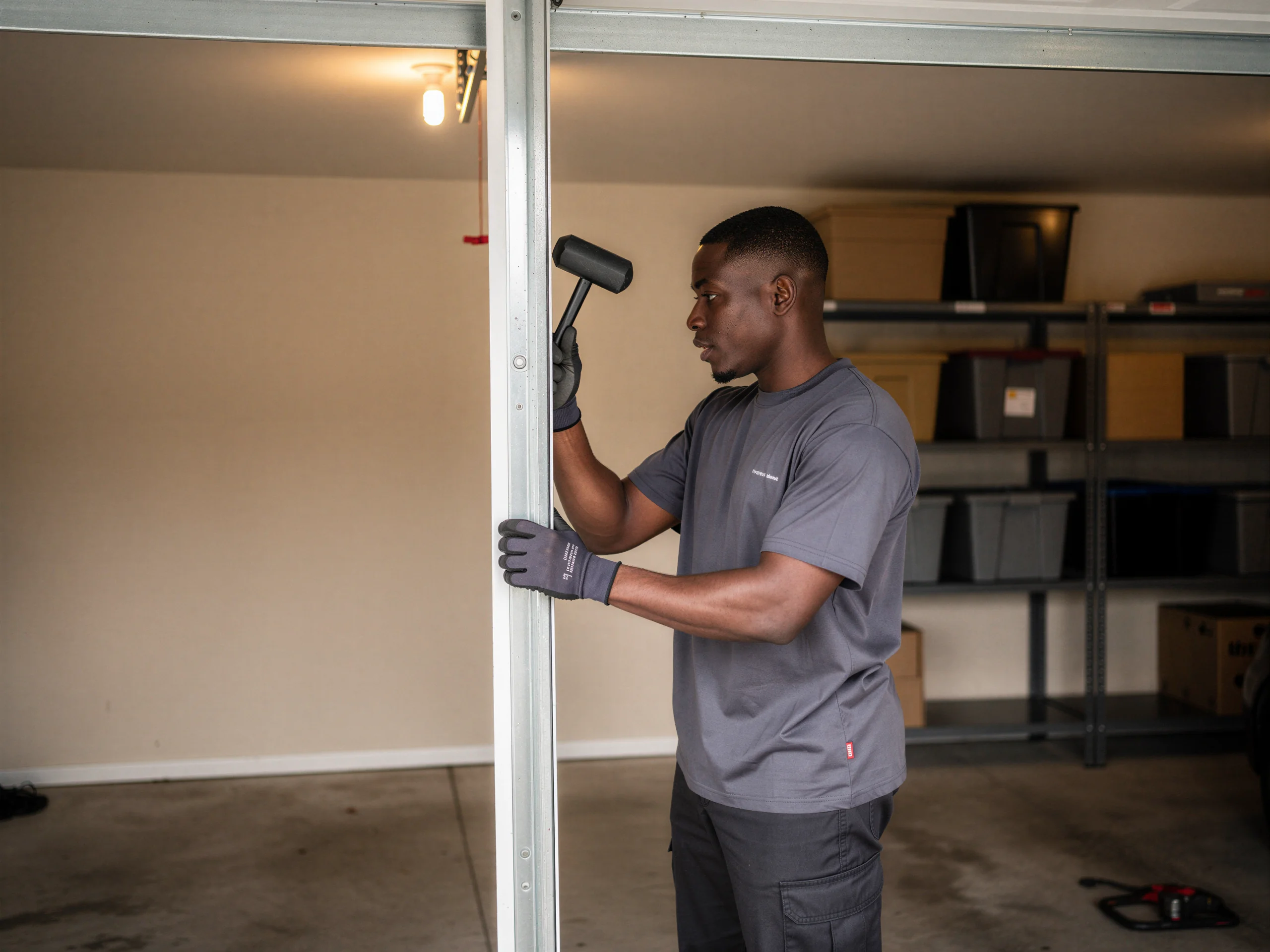
Off Track Repair
Englewood's 1965-era steel sectional doors ride on original track hardware that shifts with age. Learn more →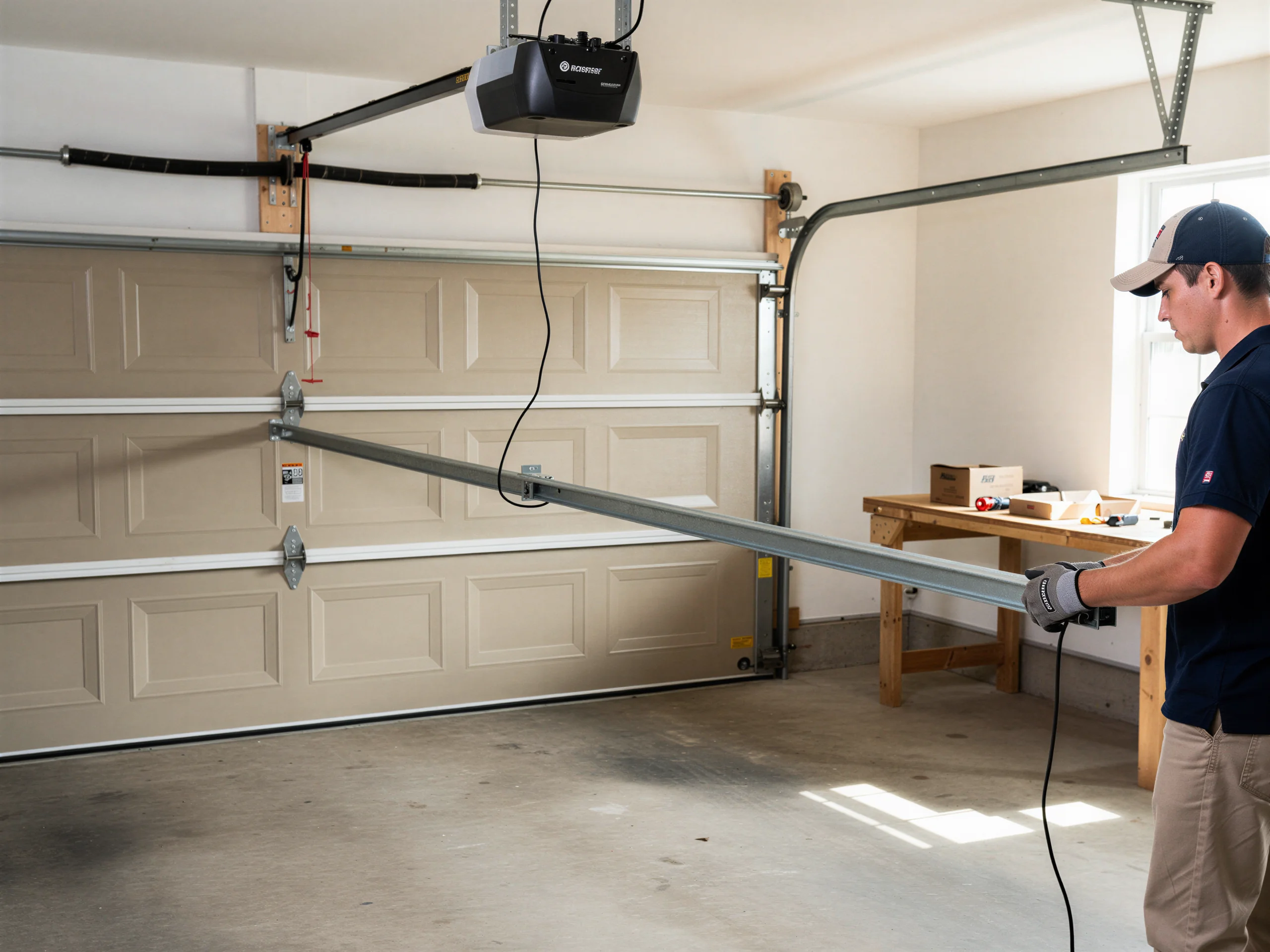
Opener Installation
Englewood homes went up mostly in 1965, with chain-drive openers from that era still hanging on. Learn more →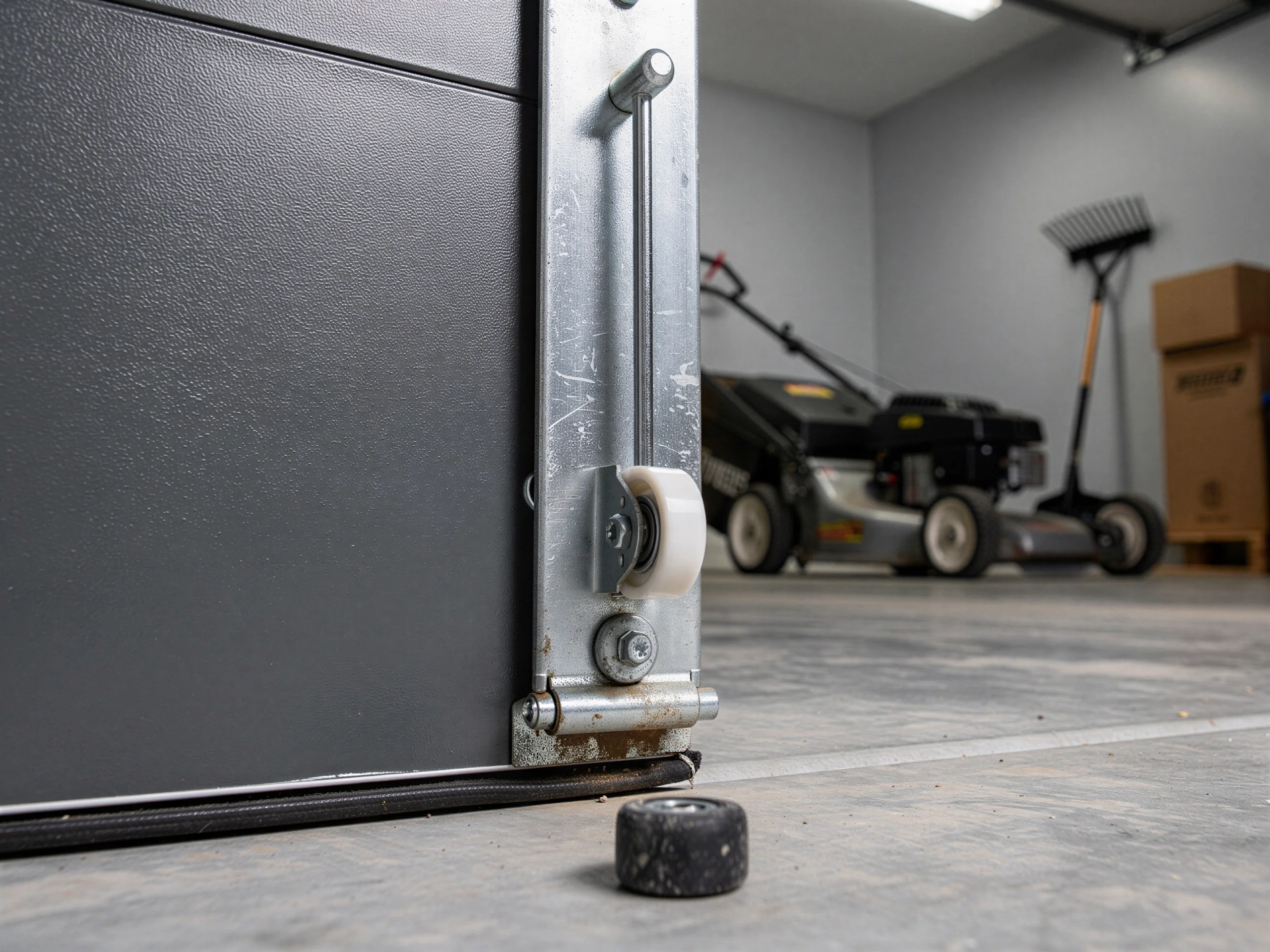
Roller Replacement
Englewood homes built around 1965 run original steel rollers on narrow track. Learn more →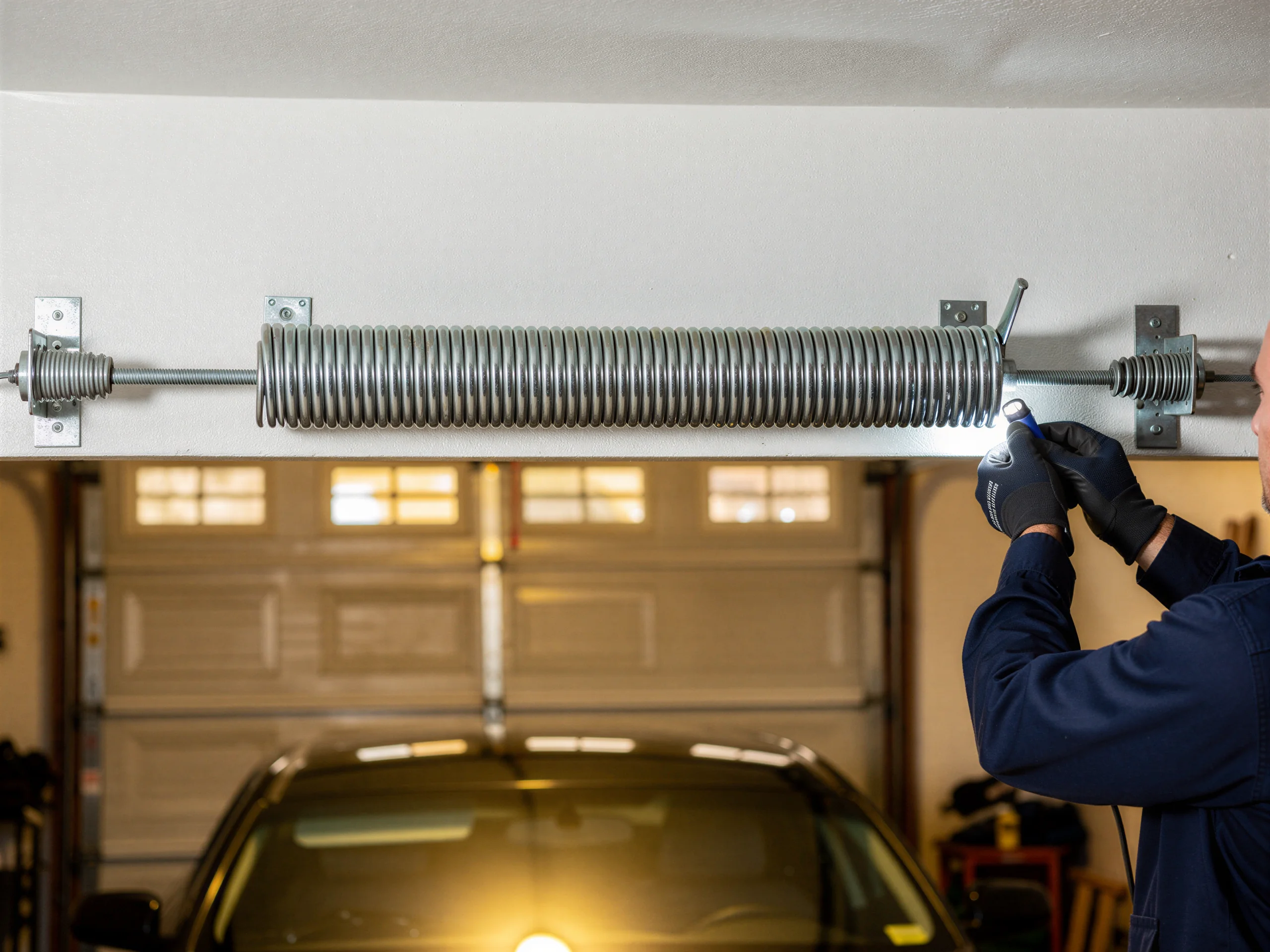
Spring Repair
Englewood's 16,308 households sit mostly on 1960s-era one-piece doors with torsion hardware built for a different climate. Learn more →Ready when you are
Ready for a new garage door in Englewood?
Littleton Garage Door Pros repairs and installs garage doors, springs and openers in Littleton, CO and the surrounding area.