
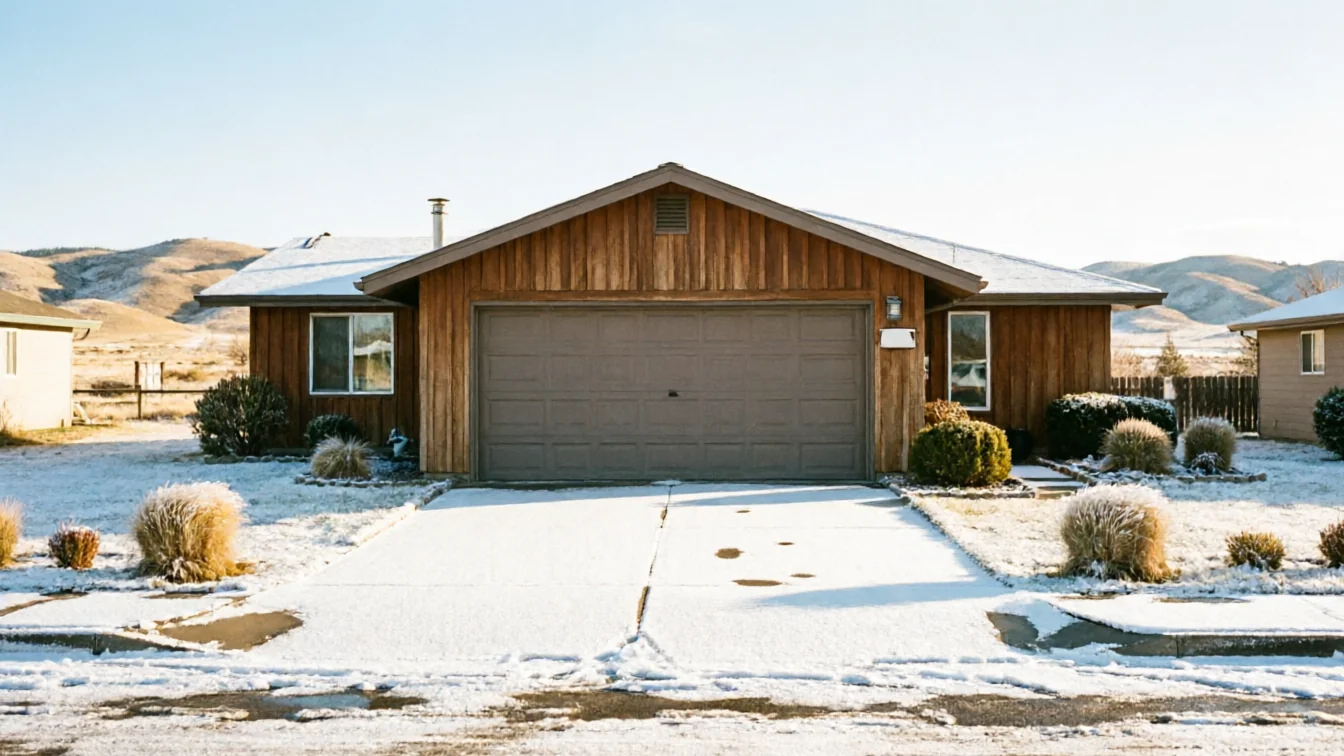
 When a Spring Goes in Cold Weather: A Littleton Homeowner's Guide
Littleton homes built 1938-2005 face severe cold spring failures.
What a Garage Door Service Call Actually Covers in Littleton
A straight look at what happens when Littleton Garage Door Pros shows up: what we check, what the cold does to 1960s-70s hardware, and what's actually billable.
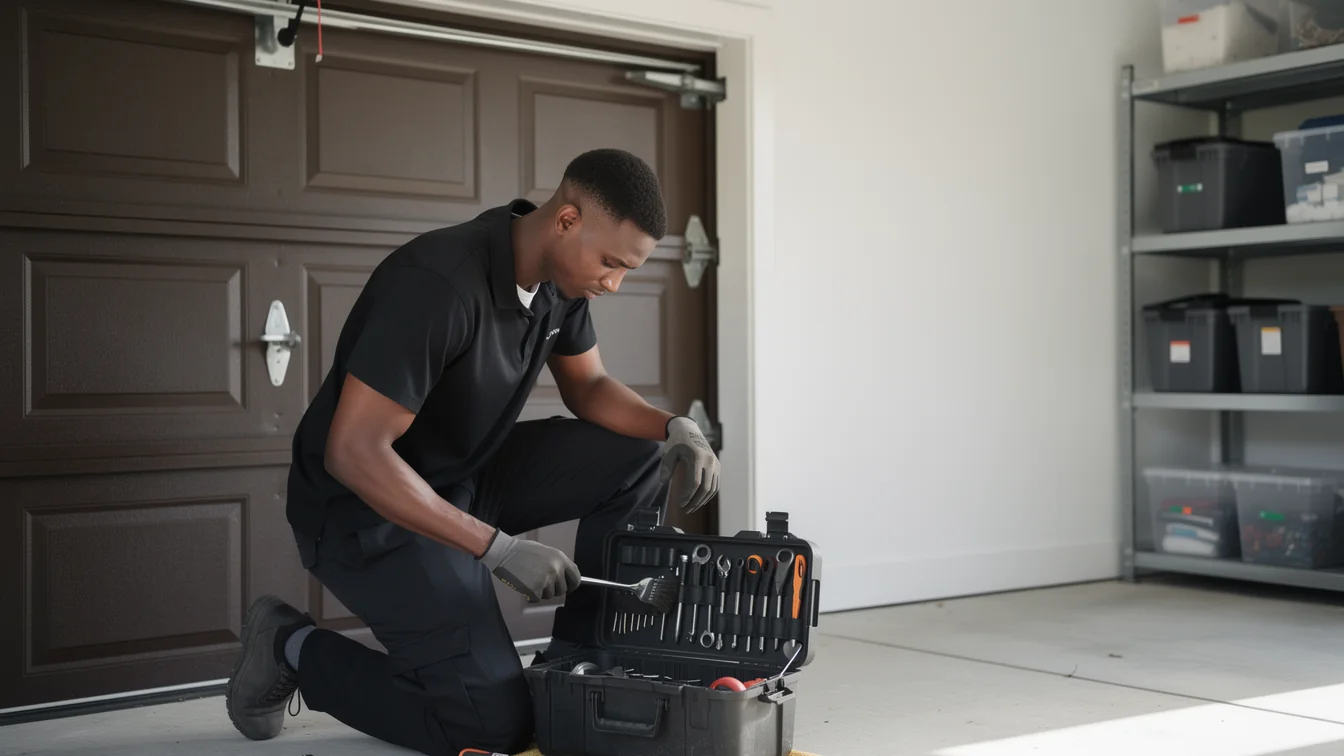
Local detail
When It Stops Being a DIY Job
Most garage doors in this service area went up between 1938 and 2005, with the typical install dating back to 1977. That matters because a door from that era usually runs on hardware nobody manufactures new anymore - different spring wind, different drum sizes, sometimes a track profile that's been discontinued for decades. Across the 34 named areas we cover, the dominant stock is still 1960s-70s builds, which means steel panel doors on galvanized torsion springs rated for far fewer open-close cycles than what's sold today.
You can grease a roller and tighten a loose bracket yourself. What you shouldn't touch is a wound torsion spring, a cable under tension, or a bent track that's pulling the door off square - any of those can put real force into your hands fast. If the door is binding, dropping unevenly, or making a bang on the way up, that's a spring or cable problem, not a lubrication problem.
One honest limit: if your door is an original one-piece swing-up from that 1960s-70s build wave, we often can't source matching parts at all. At that point repair stops being the cheaper option and replacement is the real answer, even though that's not what anyone wants to hear on a service call.
The area
What the Weather Here Does to It
This area sits in a cold-severe climate band, and that's not the same as just 'it gets cold.' The swing matters more than the low - a morning in the single digits followed by an afternoon in the 40s or 50s puts the steel in your door and the coil in your spring through a contraction-expansion cycle that wears metal fatigue into the system faster than steady cold would.
Torsion springs are the part that shows it first. A spring that's been carrying a door fine for years can snap on a cold morning because the metal is stiffer and less forgiving right when the door takes its heaviest pull - first lift of the day, cold garage, cold spring. We see the same pattern on openers: a motor that struggles to pull a door up on a 10-degree morning usually isn't dying, it's just working against a heavier, stiffer door assembly than it faces in July.
Tracks and rollers take a different hit. Condensation that freezes overnight can glaze a track just enough to throw a roller off alignment, which shows up as a scraping sound or a door that hangs up a few inches off the floor. None of this is dramatic, but in a climate this cold, it adds up year over year in a way milder climates don't produce.
What we find
What You Pay
We don't post a flat number here because what you pay depends on what's actually wrong, and on a door built in 1977 that can mean parts that take longer to source than a modern door would. A service call covers the diagnostic - someone physically checking the spring wind, the cable condition, the track alignment, and the opener's force settings - plus whatever labor and parts the actual fix needs.
What we can tell you honestly: a torsion spring replacement is a different job than a roller swap, and a job on an original-era door with nonstandard hardware takes longer than the same job on a door installed in the last ten years. If a part has to be special-ordered because your door predates the current standard sizes, that adds time before we can finish, not just cost.
The fairest thing we can say without a number in front of us: ask for the diagnostic price up front, and ask whether the quote is for the fix alone or includes the parts and the trip. A service call that starts honest about what's unknown is worth more than one that quotes a number before anyone's looked at the spring.
How we work
The Problem
The recurring problem we see across this service area isn't exotic - it's the same handful of failure points showing up house after house because so much of the housing stock shares an age. With 62,470 owner-occupied houses among 125,216 households in this territory, and most of that stock concentrated in the 1960s-70s build window, the torsion spring on the typical double door has simply done more open-close cycles over more cold winters than it was built for.
Neighborhoods like Columbine Knolls, about 2 miles west, and Fort Logan, roughly 4 miles northwest, sit in that same build era, and we see the same spring fatigue and track misalignment there as we do closer in. It's not a neighborhood problem, it's an age-of-housing-stock problem that happens to be widespread because so much of this area was built in the same twenty-year window.
The fix isn't complicated: replace the spring with one rated for the door's actual weight and cycle count, not whatever came original in 1975. Most of what we do on a service call is correcting for hardware that was adequate when the house was new but is now outliving its rated life by a wide margin.
Questions
Common questions
How do I know if it's the spring or the opener?
If the opener motor runs but the door barely moves or reverses itself, that's almost always the spring, not the opener - the motor is straining against a door it can no longer lift properly. A true opener failure usually means the motor doesn't engage at all or the remote doesn't trigger anything.
Why did my spring snap on a cold morning with no warning?
In a cold-severe climate, the metal in a torsion spring stiffens overnight, and the first lift of the day puts the heaviest load on it while it's at its least flexible. A spring that's been fine for years can go on exactly that kind of morning without any gradual warning sign.
Is it worth repairing a door from the 1970s or should I replace it?
Depends on what's broken. A spring or cable swap is usually worth doing regardless of door age. But if the door itself is an original one-piece style with hardware we can't source anymore, repair stops making financial sense and replacement becomes the more honest recommendation.
Do you give a price over the phone?
We can give you a diagnostic fee, but not a repair price sight unseen - a door with nonstandard 1970s hardware can take longer to fix than a modern one, so the honest number comes after someone's actually looked at the spring, track, and opener.
Recommendation
You Might Also Like
More garage door guides for Littleton homeowners.
When a Spring Goes in Cold Weather: A Littleton Homeowner's Guide
Littleton homes built 1938-2005 face severe cold spring failures.
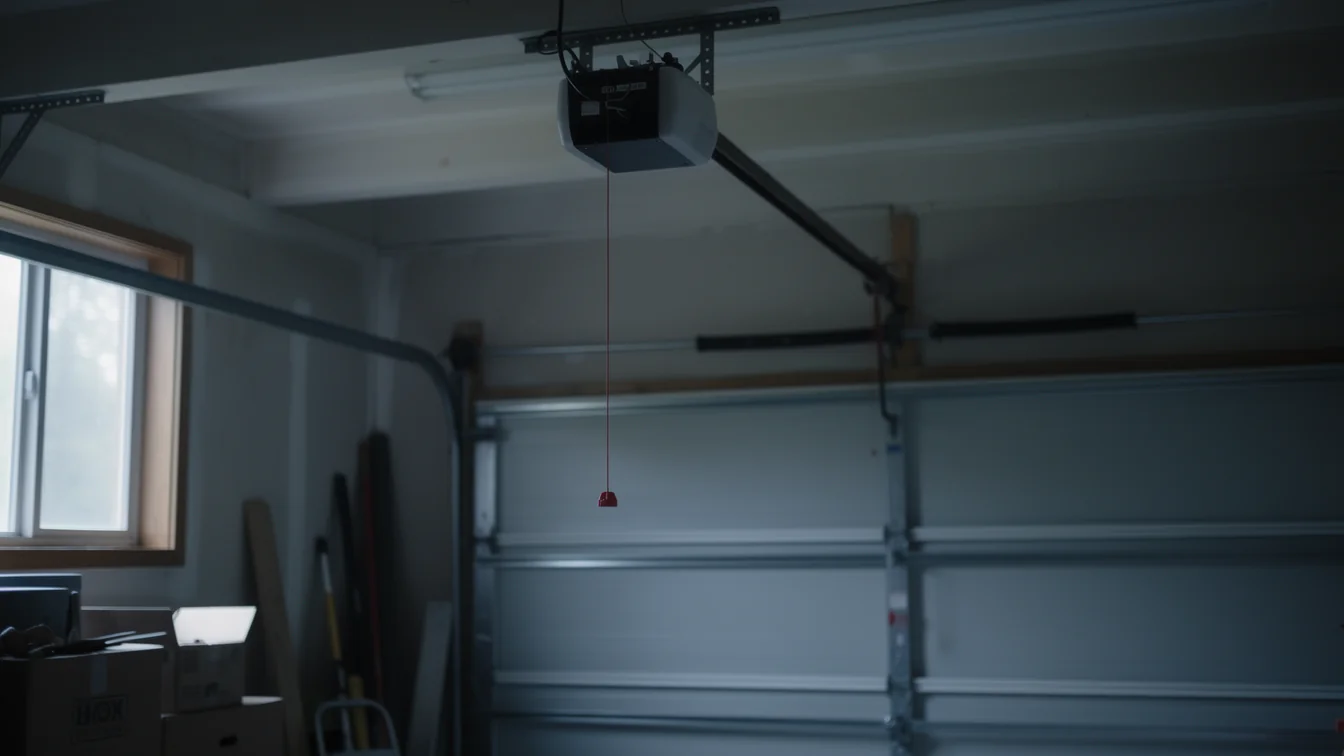 What Happens to Your Opener When the Power Goes Out in Littleton
How Littleton's 1960s-70s housing stock, cold-severe winters, and grid-dependent openers combine to leave garages stuck shut when the power cuts out, and what actually helps.
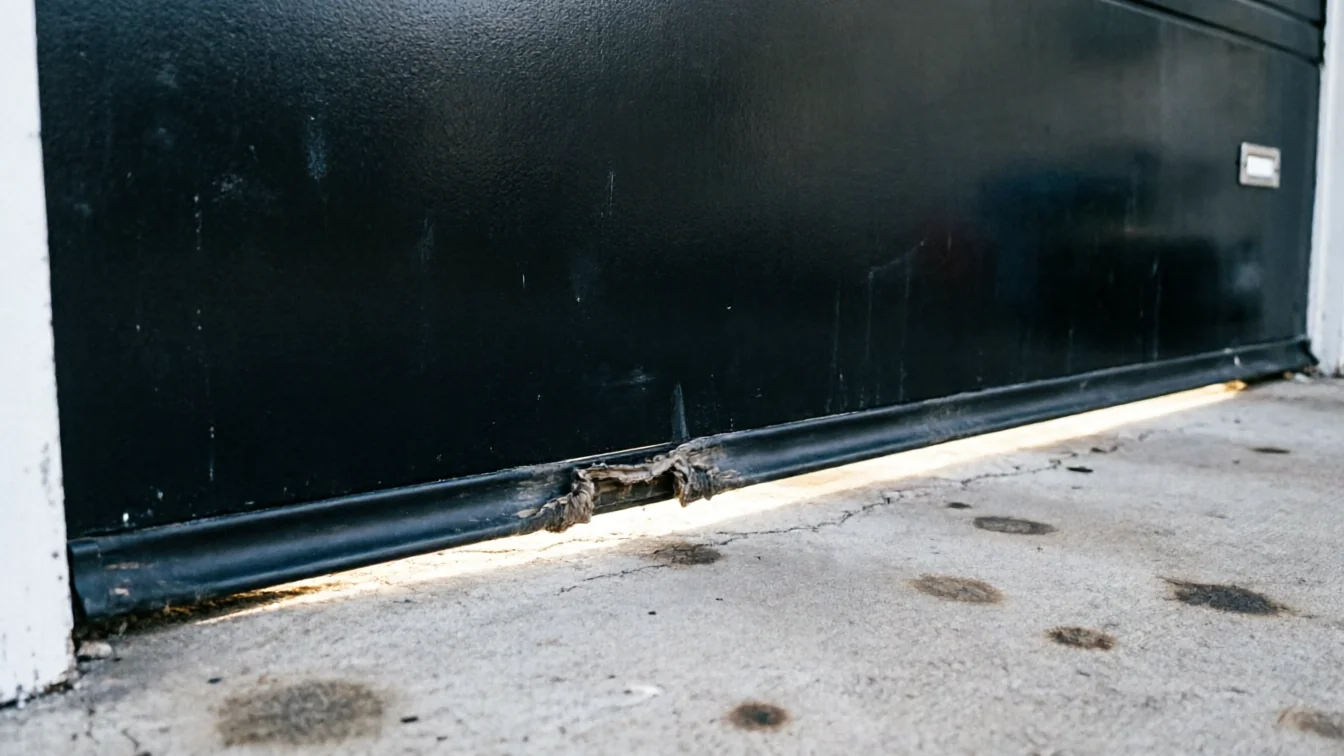 Weather Seals and Draughts in Littleton's Older Garage Doors
Littleton's 1960s-70s housing stock and COLD-severe winters mean bottom seals and weatherstripping fail differently here.
Ready when you are
Need a garage door sorted in Littleton?
Littleton Garage Door Pros repairs and installs garage doors, springs and openers in Littleton, CO and the surrounding area.