
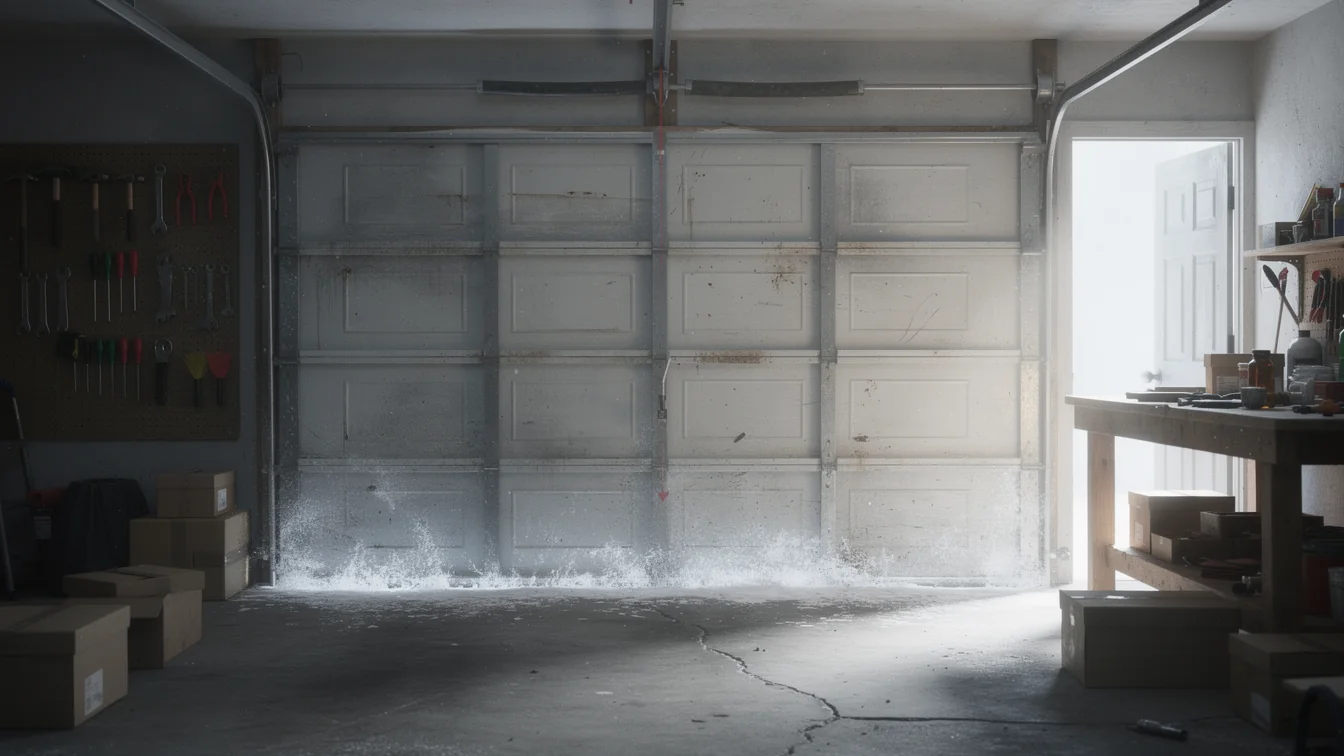
 What Littleton's Older Housing Stock Means for Your Garage Door
Littleton homes were built mostly between 1938 and 2005, many before insulation codes existed, and severe cold winters test old garage doors hard here.
The Noise Your Garage Door Is Making Isn't Random
What a grinding, popping, or screeching garage door really means in Littleton homes built mostly in the 1960s and 70s, and when it's past a tune-up.
Local detail
When It Stops Being a DIY Job
A lot of Littleton houses went up between 1938 and 2005, with the median landing around 1977, and most of the stock sitting squarely in that 1960s-to-70s run. That matters because the hardware on a door that age wasn't built to last forever, and a lot of it is still the original gear nobody's touched since the house was framed.
A squeak on the rollers is usually dry nylon or a bent track - grease it, watch it, move on. A rhythmic thud as the door travels is almost always a flat spot on an old roller, common on doors from that era that have never been serviced. But a loud bang followed by the door going slack, or a grinding sound from overhead that wasn't there yesterday, is a torsion spring on its way out or already gone. On a house with original 1960s-70s hardware, that spring has had fifty-plus years of cycles on it. It's not a WD-40 problem.
The honest line: if the door won't move, or moves unevenly, or you hear metal grinding on metal, stop opening it by hand or by opener. A spring under tension that snaps while someone's hands are near the track is how people get hurt. That's the point where this stops being a weekend fix.
The area
What The Weather Here Does To It
Littleton sits in a severe cold climate band, and cold does specific, predictable things to garage door hardware that a mild-climate town never deals with. Steel springs and cables contract in hard cold, which changes the tension they were set at - a spring that was balanced fine in August can bind or feel heavy in a January cold snap. Grease that was fine in summer stiffens up in deep cold and stops doing its job on rollers and hinges, which is why a lot of the grinding and groaning calls cluster in winter.
On older torsion systems, which describes a large share of the doors in this part of town given the 1960s-70s build era, cold-stiffened lubricant plus decades-old steel is a worse combination than either one alone. A cable that's lost some strands from age can snap when the steel contracts further in a cold stretch, and that's usually sudden, not gradual.
The honest limitation here: a once-a-year lubrication in fall helps, but it doesn't undo fifty years of wear on original hardware, and it won't stop a spring that's already fatigued from going. Maintenance buys time. It doesn't reset the clock.
What we find
What You Pay
We're not going to put a number here that we can't back up - what a repair runs depends on what's actually wrong, how old the hardware is, and whether parts for that specific setup are still easy to source. That last part matters more on an older door than people expect: a torsion spring or roller size common on 1970s construction isn't always the size on the truck, and matching original hardware on a house built closer to 1938 can take longer than fixing something newer.
What we can tell you honestly is what drives the cost up or down. A single worn roller is a small job. A broken spring on a double door usually means replacing both springs as a pair, since the other one is close behind on wear even if it hasn't snapped yet. A cable or track that's been forced while bent costs more than one caught early.
We'll look at the door, tell you what we see, and give you a number before we touch anything - we just won't guess at one over the phone for a door we haven't looked at.
How we work
The Problem
Across the service area there are something like 125,216 households and 62,470 owner-occupied houses, and a large share of them were built in that same 1960s-to-70s stretch that defines Littleton's housing stock. That means a lot of doors are running on torsion systems that are decades past the point most moving parts are rated for, in a climate that's hard on steel and grease every winter.
The pattern we see is consistent: a homeowner notices a noise, assumes it's cosmetic, and keeps opening the door until the hardware fails outright instead of wearing down gradually. On a door that old, in cold like this, a new sound almost always means something changed mechanically - not that the door is just getting older in the ordinary way.
It's not alarmist to say catch it early. A worn roller caught this fall is a small job. The same roller ignored through a winter in this climate band can take a cable or a track hanger with it. The noise is the data. Ignoring it is the actual risk.
Questions
Common questions
My door makes a loud bang but still opens fine - is that a problem?
Yes, treat it as one. A single loud bang, especially if the door felt heavier afterward, is often a torsion spring taking damage even if it hasn't fully failed. On hardware from the 1960s-70s era common in this area, that spring was already near the end of its rated life. Get it looked at before it fails mid-cycle instead of after.
Why does my garage door get louder in winter?
Cold stiffens lubricant and contracts steel springs and cables, changing tension they were set at in warmer weather. In a severe cold climate like Littleton's, that shift is sharp enough to turn a quiet door noisy for a few months, especially on older hardware that's already worn. It's a real mechanical change, not just your imagination.
Is it worth repairing a door this old or should I replace it?
Depends on what's failing. A worn roller or a single bad spring on an otherwise sound door is worth fixing. If the track is bent, the opener's original to the house, and you're looking at several repairs at once, replacement often costs about the same over time with less risk. We'll tell you straight which side of that line your door's on.
Recommendation
You Might Also Like
More garage door guides for Littleton homeowners.
What Littleton's Older Housing Stock Means for Your Garage Door
Littleton homes were built mostly between 1938 and 2005, many before insulation codes existed, and severe cold winters test old garage doors hard here.
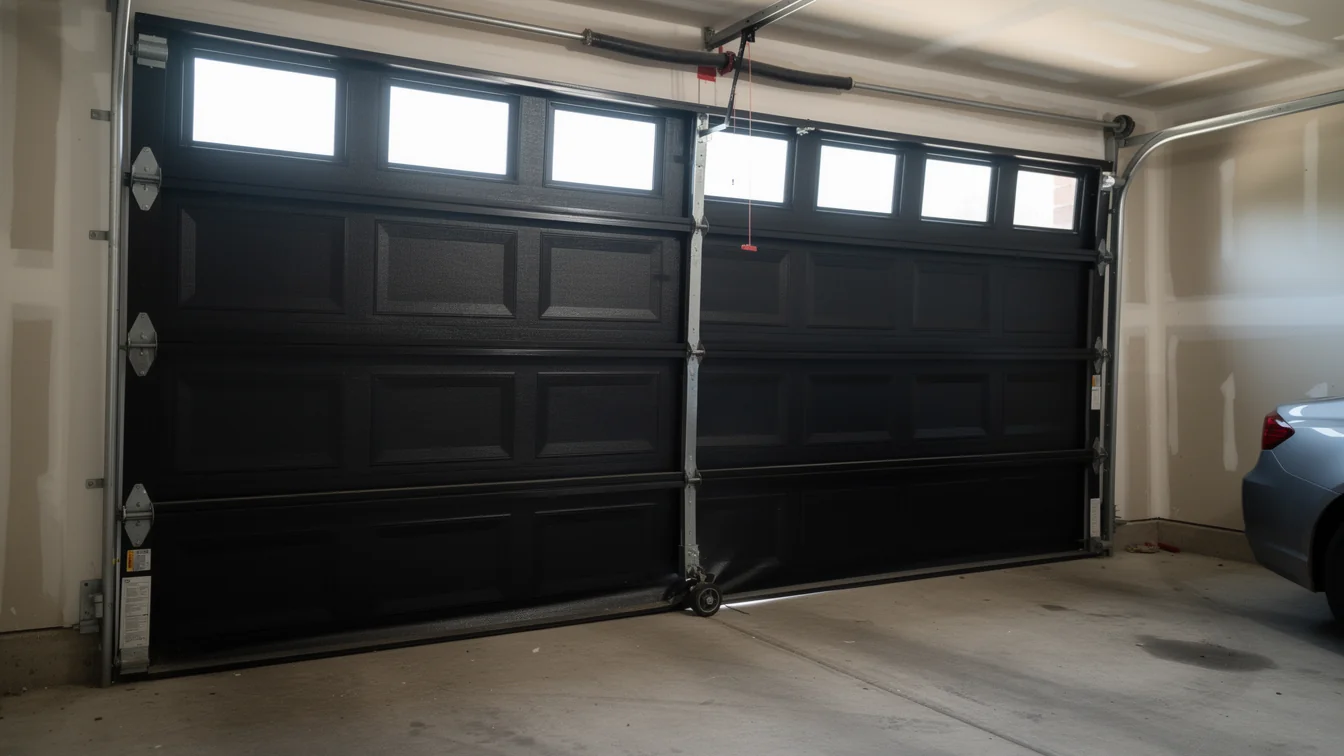 Why a Door Goes Off Track in a Littleton Garage
Littleton homes built mostly between 1960 and 1977 run original track hardware into cold-climate stress.
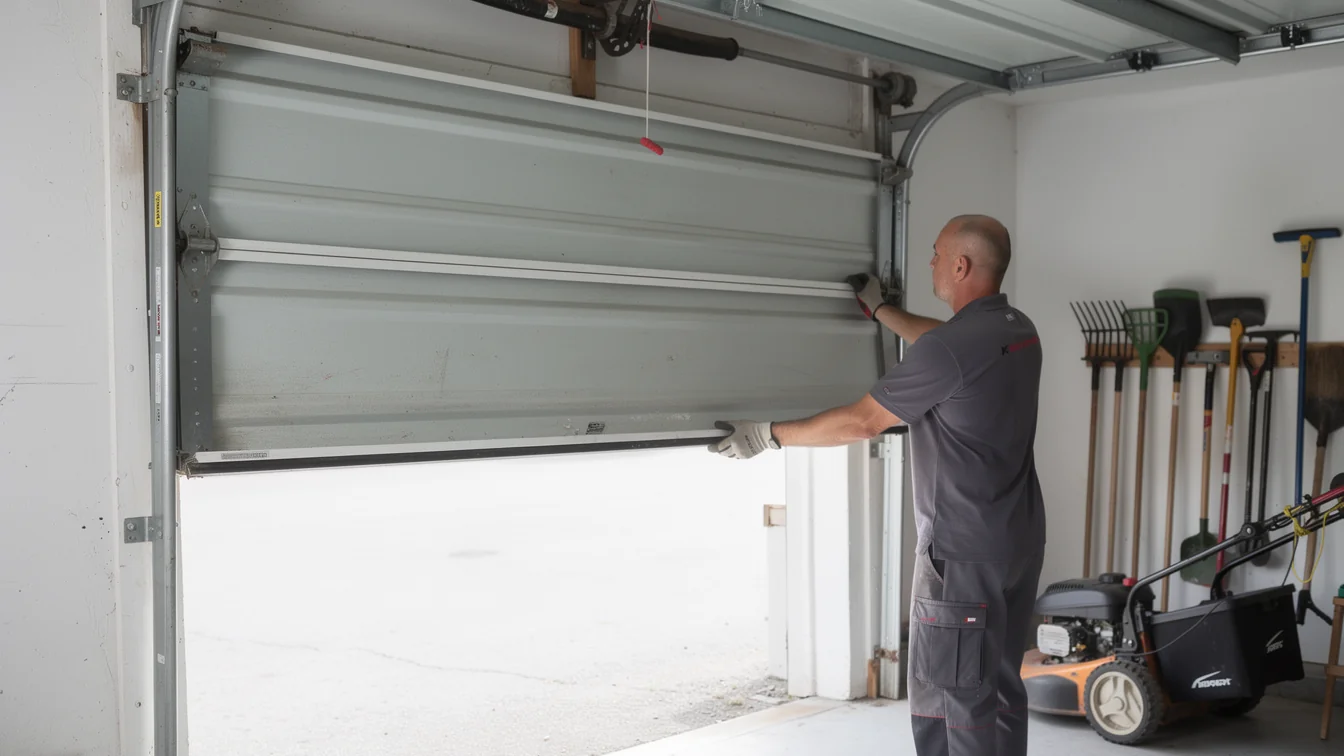 What a Littleton Garage Door Tech Actually Checks First
Littleton homes mostly date to 1938-2005, median 1977.
Ready when you are
Need a garage door sorted in Littleton?
Littleton Garage Door Pros repairs and installs garage doors, springs and openers in Littleton, CO and the surrounding area.