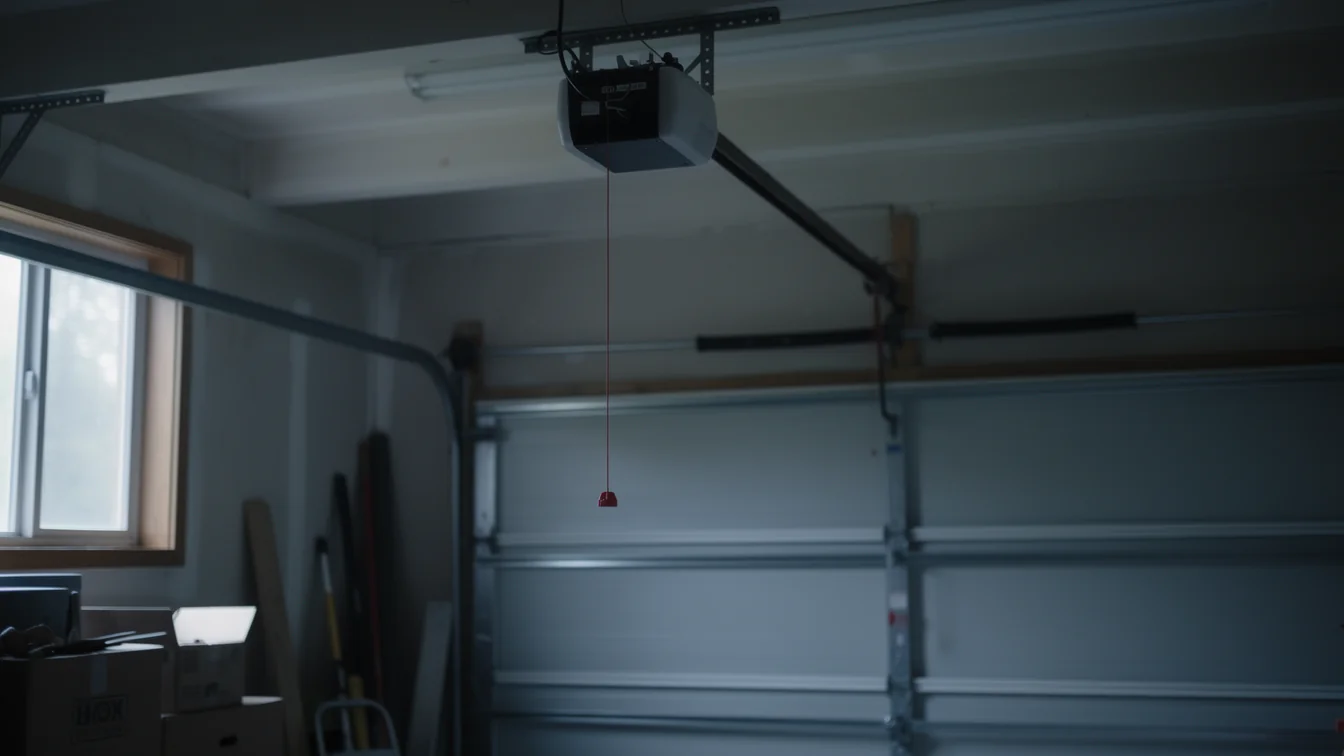
 What Happens to Your Opener When the Power Goes Out in Littleton
How Littleton's 1960s-70s housing stock, cold-severe winters, and grid-dependent openers combine to leave garages stuck shut when the power cuts out, and what actually helps.
Replacing a Garage Door in Littleton: What Actually Matters
What Littleton's 1938-2005 housing stock, cold climate, and local household numbers mean when you're deciding whether to repair or replace your garage door.
Local detail
When It Stops Being a DIY Job
A lot of the houses on this side of the metro went up between 1938 and 2005, with most of that stock dating to the 1960s and '70s. That matters because a door from that era is usually on original tracks, sometimes with hardware nobody stocks anymore. If you're swapping a panel or a roller on a door that old, you're often guessing at measurements instead of ordering a part number.
The cutoff is simple: anything involving the torsion spring or the cables under tension is not a weekend project, full stop, regardless of how old the door is. Springs store enough force to break a wrist or worse. If your door is sagging on one side, won't stay open, or the opener is straining and reversing, that's a structural or spring problem, not an adjustment. Swapping weatherstripping, lubricating hinges, tightening loose brackets - that's fine to do yourself. Once you're pulling the old section off the track to size a new door, you're deciding on a full replacement job, and that's where it pays to have someone measure the opening against current hardware rather than against what was there in 1977.
The area
What the Weather Here Does to It
This area sits in a severe cold climate band, and that changes what a door has to survive, not just how it looks. Cold cycles work on steel panels and foam-core insulation differently than they work on wood - seals shrink, gaskets crack, and a door that sealed fine in October can let a visible gap of daylight through by February. On a lot of the older housing stock here, the original doors were never built with the insulation values that make sense for a severe cold climate, so the garage runs colder than the rest of the house and that cold transfers into any room sharing a wall with it.
If you're replacing rather than repairing, this is the one place where spending a bit more up front changes the next decade of ownership: a door rated for this climate band holds its seal and its panel shape through repeated freeze-thaw swings in a way an older, uninsulated steel door won't. I won't tell you every door needs to be the top-tier insulated option - if the garage is detached and unheated, you're not gaining much. But if it's attached and original to a house built before the 2000s, upgrading the insulation rating at replacement time is worth the conversation.
What we find
What You Pay
I'm not going to quote you a number here without seeing the door and the opening - too many variables between a single and a double, insulated versus standard, and whether the track and opener need to come with it. What I can tell you is what drives the cost on a replacement job in this area: median household income here runs well above the national figure, and that shows up in the range of doors people actually choose - more owners here opt for insulated steel or composite doors than the bare minimum option, because the extra cost is a smaller share of the household budget than it would be in a lot of other markets.
The honest limitation: if your opening is a non-standard size, which turns up more often on the older end of the 1938-to-2005 housing range, you're looking at a custom order and a longer lead time than a stock door. That's not something I can shorten by quoting a faster number - it's a manufacturing wait, not a scheduling one.
How we work
The Problem
The actual problem homeowners run into here isn't deciding they need a new door - it's deciding too late, after a spring has already broken under a door that was already structurally tired. With roughly 62,470 owner-occupied houses across this service area, a large share of them sitting on housing stock that's now 20, 40, even 80 years old, a lot of doors are reaching the point where a second or third repair costs close to what a new door would, without fixing the underlying issue of an outdated track or an opener that can't handle a heavier insulated panel.
The other half of the problem is matching a new door to an old opening correctly. Older houses built before modern code updates sometimes have framing that doesn't match current standard door sizes exactly, and a new door ordered off a catalog measurement without an in-person check can come up short or need field modification. That's the step that gets skipped most often, and it's the one that turns a straightforward swap into a return trip.
Questions
Common questions
How do I know if my door needs replacing instead of repairing?
If the repairs are stacking up - a new spring last year, a roller this year, panel damage now - and the door is original to an older house in this area, replacement usually costs less over time than chasing the next failure. A door with a bent track or warped panel on top of a worn spring is usually past the point where repair makes sense.
Does the cold here actually affect which door I should buy?
Yes. This area sits in a severe cold climate band, and an uninsulated steel door will seal worse and run colder through winter than an insulated one. If your garage is attached to living space, that difference shows up in your heating bill and in condensation on the inside of the door.
Can I replace just the door and keep my old opener?
Sometimes, but not always. Older openers weren't built for the weight of a modern insulated door, and if your house dates to the 1960s or '70s stock common in this area, the opener may need to come with the job. It depends on the opener's age and horsepower, which needs to be checked in person.
Why would my new door not fit my old opening?
A lot of the housing here predates current standard framing dimensions, so an opening measured off a tape alone can be off from catalog sizing. It's common enough on older houses in this area that an in-person measurement before ordering saves a second trip.
Recommendation
You Might Also Like
More garage door guides for Littleton homeowners.
What Happens to Your Opener When the Power Goes Out in Littleton
How Littleton's 1960s-70s housing stock, cold-severe winters, and grid-dependent openers combine to leave garages stuck shut when the power cuts out, and what actually helps.
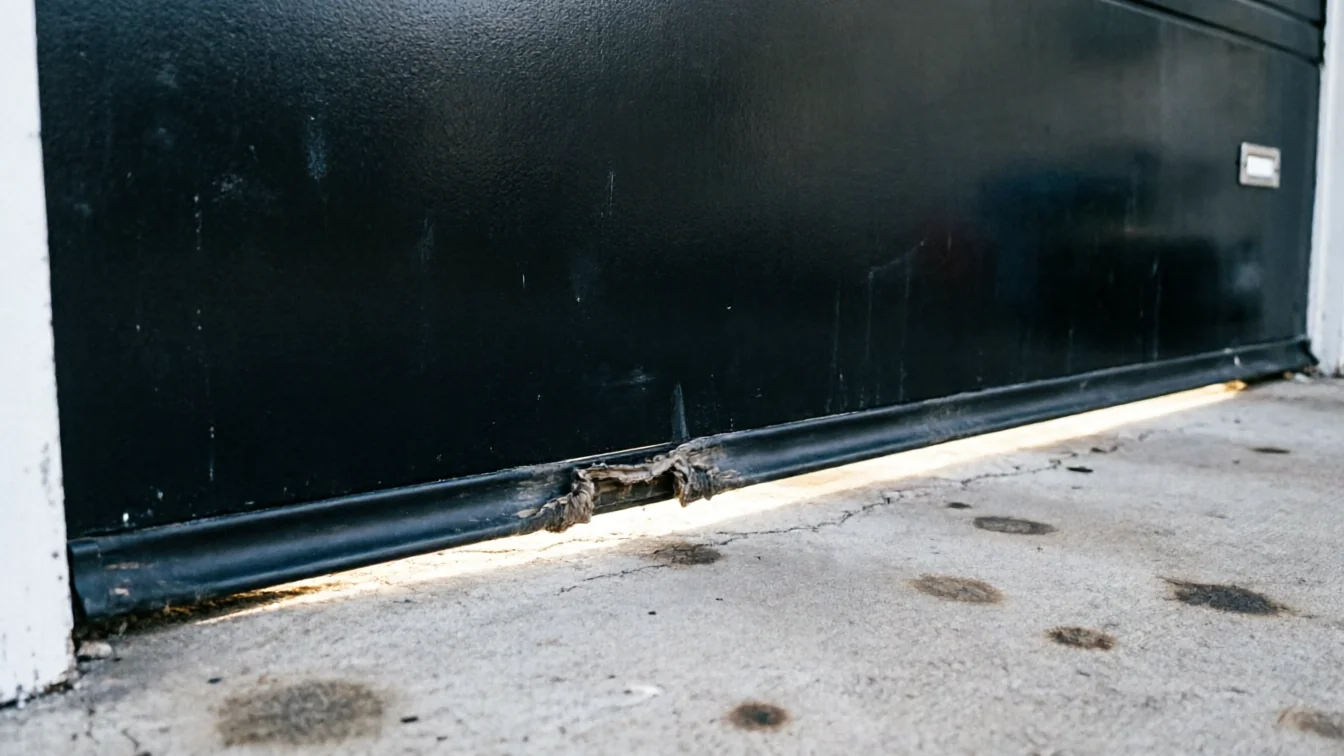 Weather Seals and Draughts in Littleton's Older Garage Doors
Littleton's 1960s-70s housing stock and COLD-severe winters mean bottom seals and weatherstripping fail differently here.
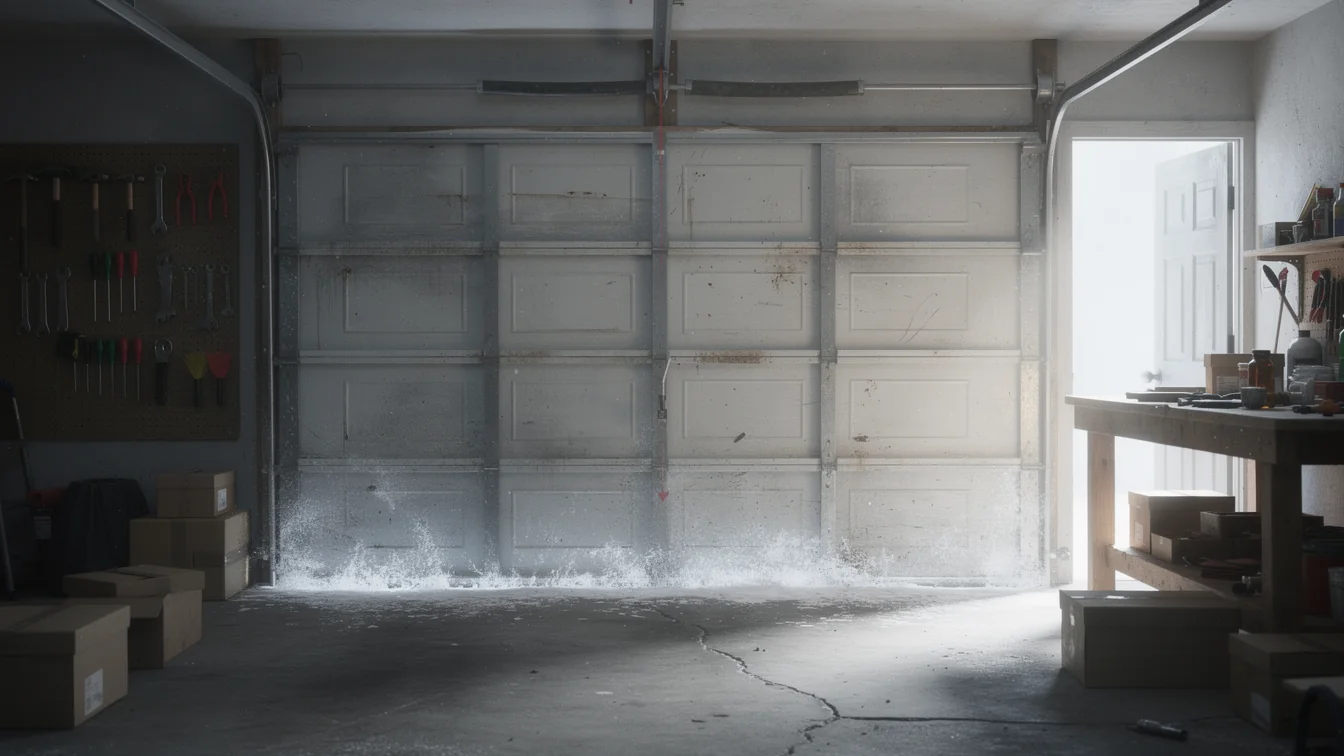 What Littleton's Older Housing Stock Means for Your Garage Door
Littleton homes were built mostly between 1938 and 2005, many before insulation codes existed, and severe cold winters test old garage doors hard here.
Ready when you are
Need a garage door sorted in Littleton?
Littleton Garage Door Pros repairs and installs garage doors, springs and openers in Littleton, CO and the surrounding area.