Englewood, Littleton
Garage Door Repair for Englewood Homes
Englewood's median income runs well below the rest of our Littleton service area, and that gap decides whether a 1965-era garage door gets repaired or replaced. We cover Englewood, 4 miles out.
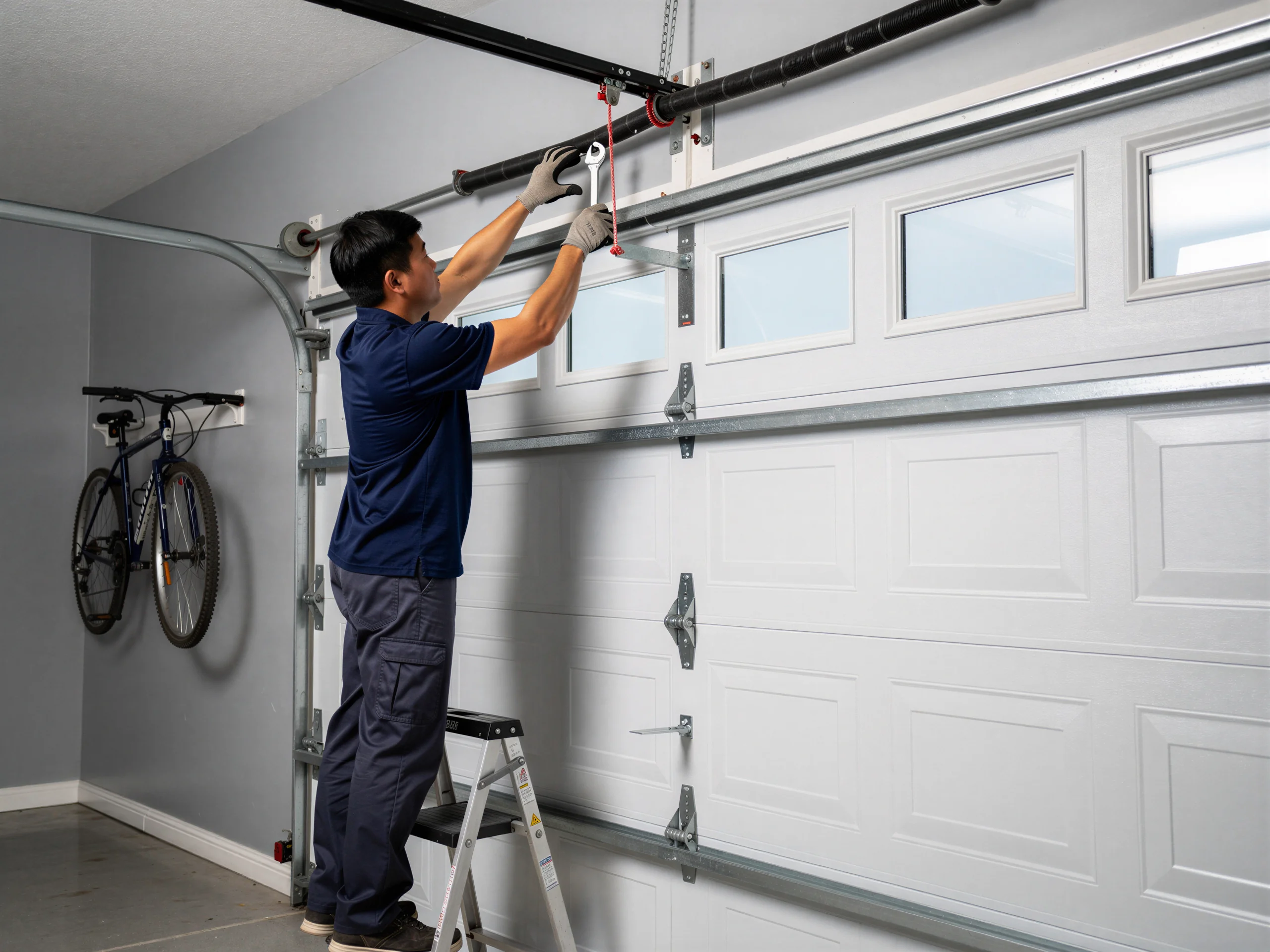
Why It Happens Here
Start with the number that actually matters first: Englewood's median household income is $82,016, a good distance below the $116,838 median across the broader Littleton service area. That gap is not trivia. It's the line that decides whether a homeowner here calls us to fix a spring or to replace a door outright, because a full replacement eats a bigger share of the budget here than it does three miles away.
The housing stock backs this up. Englewood's median build year sits around 1965, right in the stretch when the wider area went up mostly between the 1960s and 70s on a base that spans 1938 to 2005. Doors from that era are steel sectional units on extension-spring hardware, not the torsion setups that came standard later. Add Colorado's severe winter swings into that mix and you get steel that's had sixty years of expansion and contraction working the temper out of the springs. That's the fault pattern we see here: tired extension springs, not the torsion failures you'd expect on a newer build.
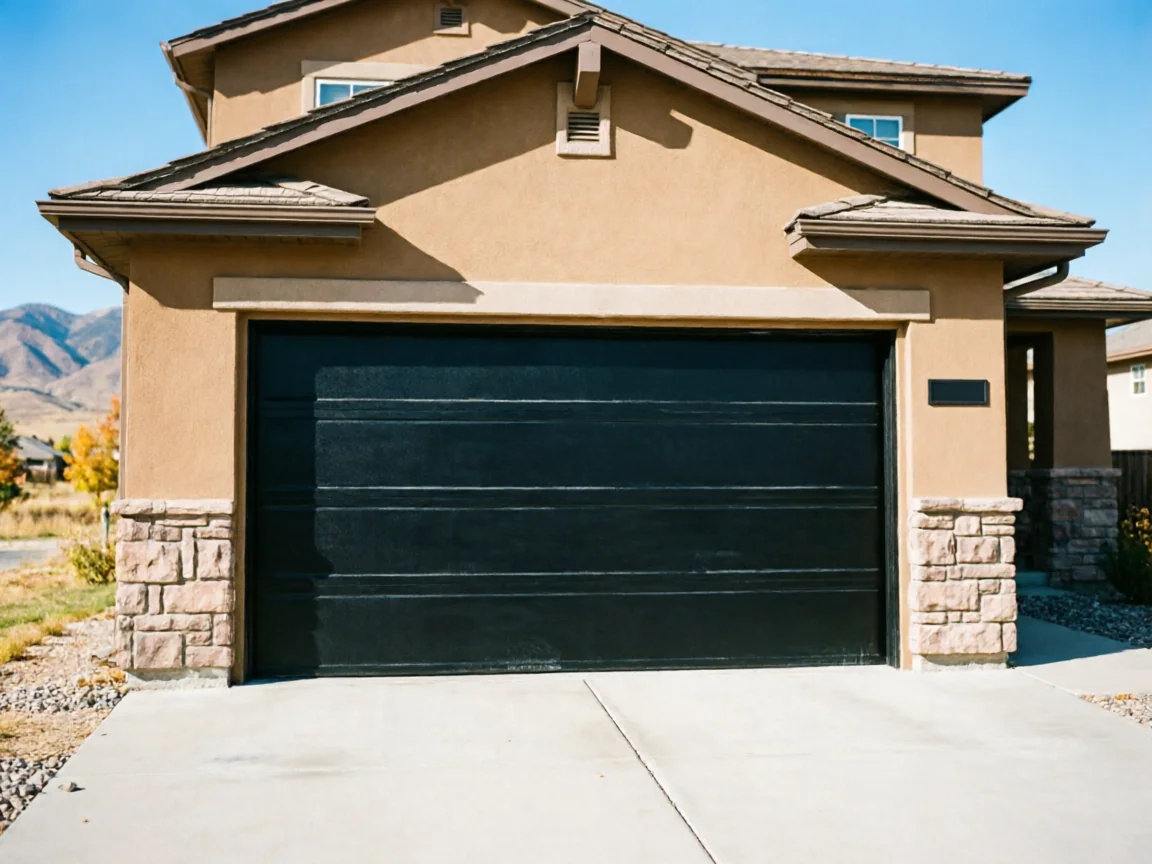
What Is on the Truck
Because so much of Englewood dates to the same build era, the parts that get used here skew toward what fits a 1960s steel sectional door: extension springs sized for that weight class, the safety cables that should be run alongside them, and rollers and hinges cut for the narrower track spacing those doors used. We also carry opener hardware that bolts onto older bracket patterns, since a lot of these doors were retrofitted with openers well after the original install.
One limitation worth saying plainly: we don't carry color-matched replacement panels for every original steel door design on the truck. If a panel on an older Englewood door is cracked or dented and the homeowner wants an exact match rather than a full door swap, that panel usually has to be ordered, and that takes time we can't shorten. For a lot of owners at this income level, that wait is actually the deciding factor that tips them toward full replacement instead.
The DIY Question
On a door this age, a homeowner can often tell something's wrong before we get there: it hangs a little crooked, the opener strains, the spring looks stretched.
Order-it-yourself spring swap
The question is always whether to order a spring and try it or call it in. Given that Englewood's median income runs well under the service area's $116,838 figure, the spring swap is usually the right first move if the door itself is sound.
Where DIY stops working
Extension springs are not expensive compared to the door. Where it stops making sense is when the track is bent, the panels are rusted through, or the opener is original to a 1965 install and failing alongside the spring.
Three-problem patch trap
At that point you're not fixing one problem, you're patching three, and the repair bill starts closing in on what a new door costs. We'll tell a homeowner straight when that line has been crossed rather than selling a spring job on a door that's going to need replacing within the year anyway.
The Symptom
The call we get most from this part of our service area is a door that's suddenly heavy to lift by hand, or an opener that strains and reverses partway up.
Extension spring tension loss
On a door built around 1965, that's almost always an extension spring that's lost tension, not a torsion spring problem, because torsion setups weren't standard on houses of that vintage. The stretched spring shows up worse in winter, when Colorado's cold swings stiffen the steel and the spring has even less give to work with.
Drift after closing
A second symptom, less common but tied to the same root cause, is a door that drifts down on its own a few inches after you close it. That's the spring no longer holding the counterbalance it was sized for decades ago.
End-of-life 1965 hardware
Neither symptom means the door is done. It means the hardware that was correct for a house built in 1965 is finally at the end of what it can do, and it's worth having someone look at the door itself, not just the spring, before deciding what to fix.
Questions
Common questions
Why does my garage door feel heavier to lift than it used to?
On an older Englewood door, that's almost always a stretched or failing extension spring losing its counterbalance, not the door itself getting heavier. Cold weather makes it worse because the steel has less give. If it's a sudden change rather than a slow one, stop using the opener and have the spring checked before it lets go.
Is it cheaper to repair or replace my garage door here?
It depends on what else is wrong besides the spring. If the track and panels are sound, a spring repair is usually the cheaper move and holds up fine. If the opener and panels are also original to a 1960s install, the repairs start stacking up and replacement often ends up costing less over time.
Do you stock parts for older Englewood garage doors?
We carry extension springs, cables, rollers, and hinges sized for the steel sectional doors common to houses built in the 1960s. What we don't keep on hand is color-matched replacement panels for original door designs; those usually need to be special ordered, which adds time to that specific repair.
How far out is Englewood from your shop?
Englewood sits about 4 miles from our Littleton location. We work this suburb as part of our regular service area rather than treating it as an out-of-area call.
Explore more
More Services in Englewood
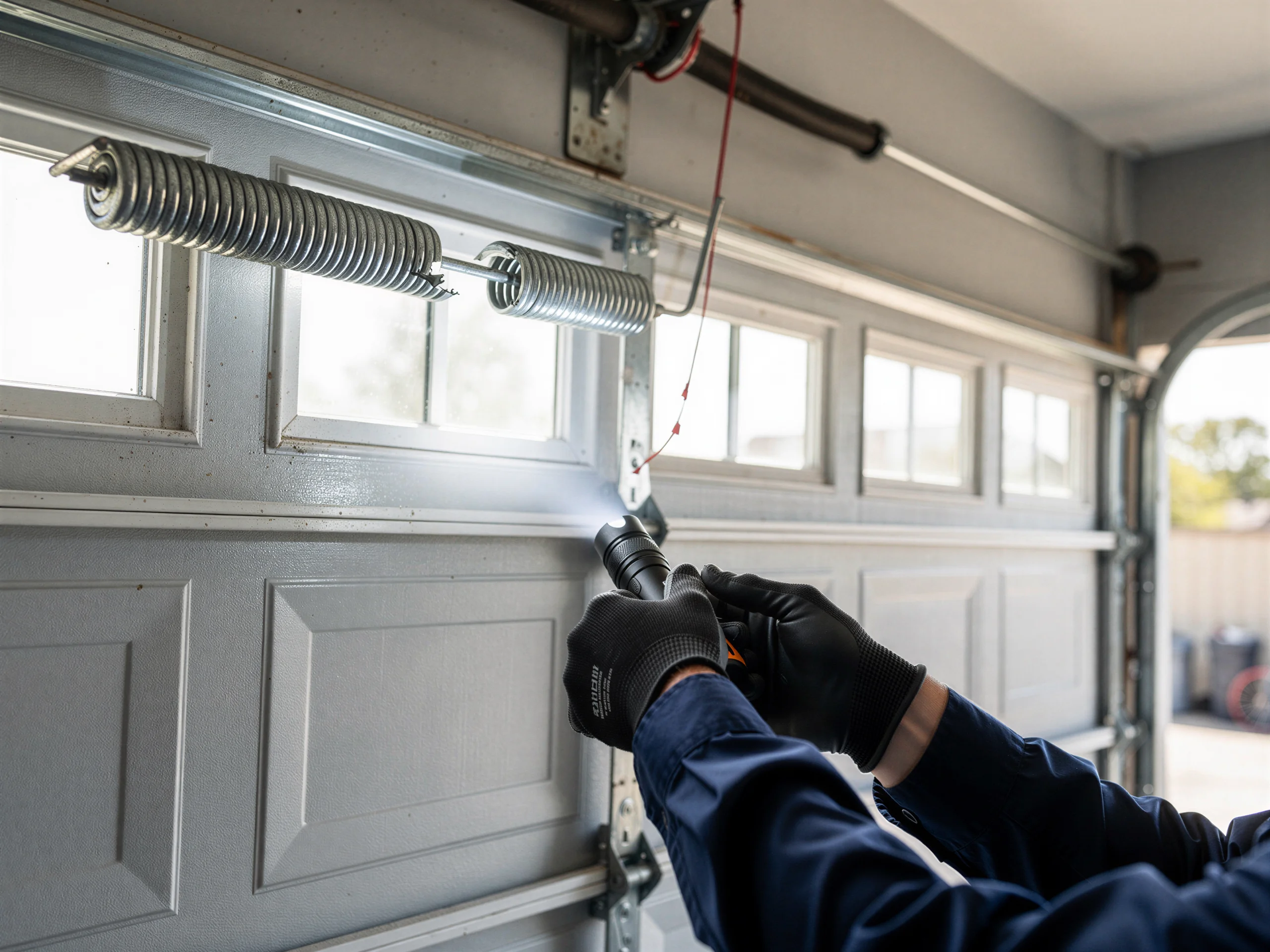
Emergency Garage Door
Englewood homes built around 1965 still run original torsion hardware. Learn more →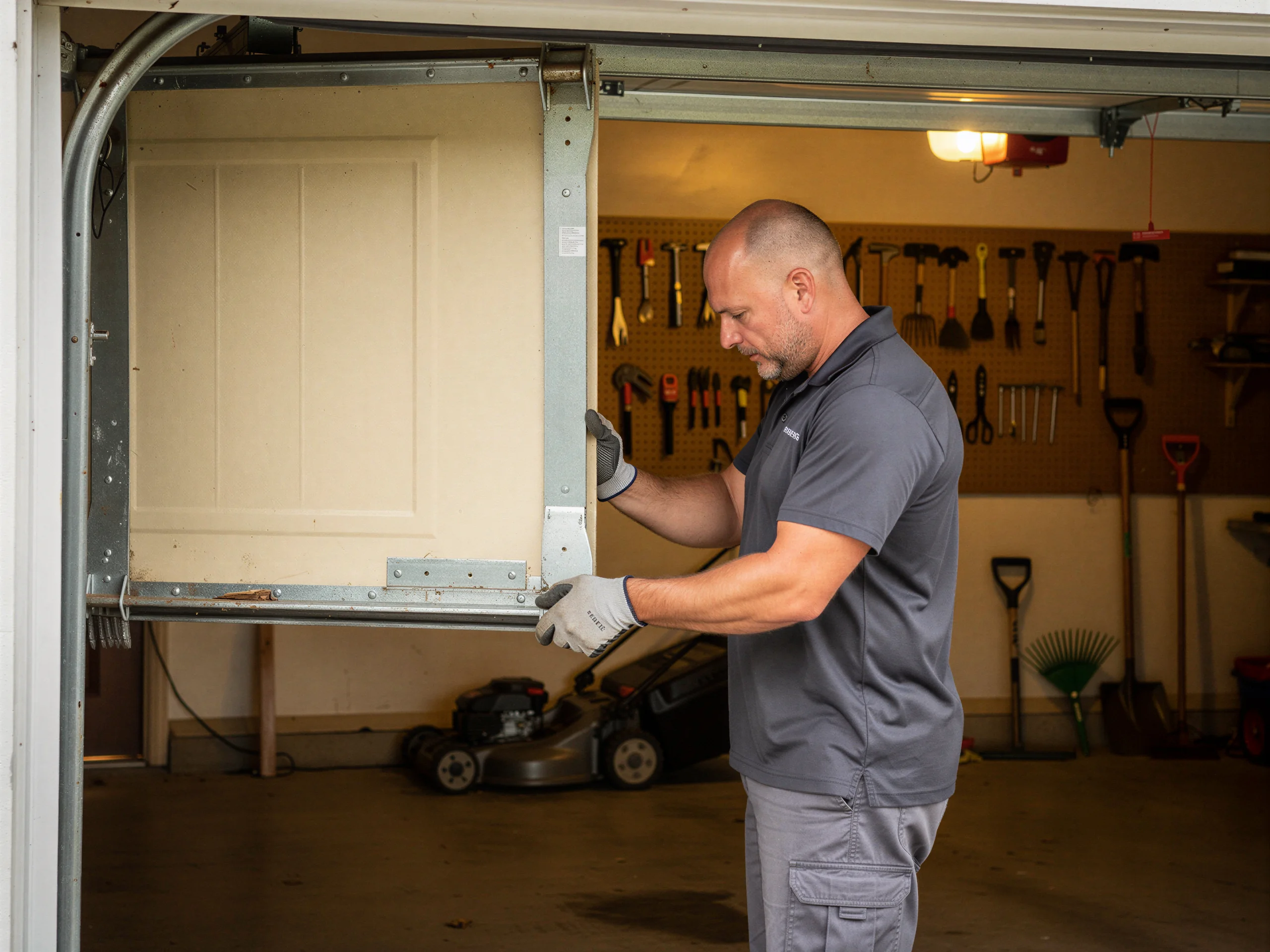
Garage Door Service
Englewood homes run older than the Littleton average, with 1960s doors and hardware that needs specific parts. Learn more →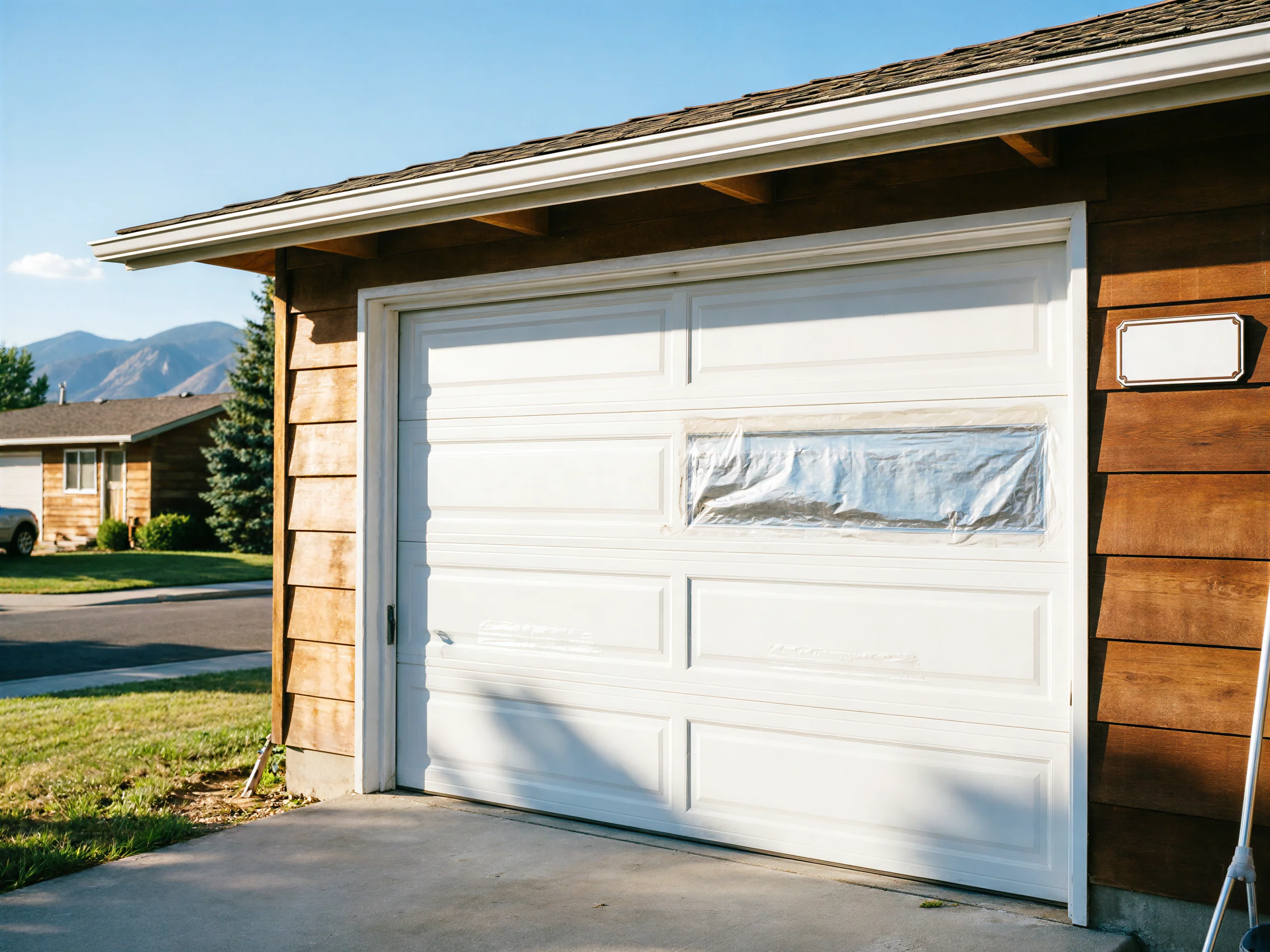
New Door Installation
Englewood homes mostly date to 1965, built for garage door hardware no longer made. Learn more →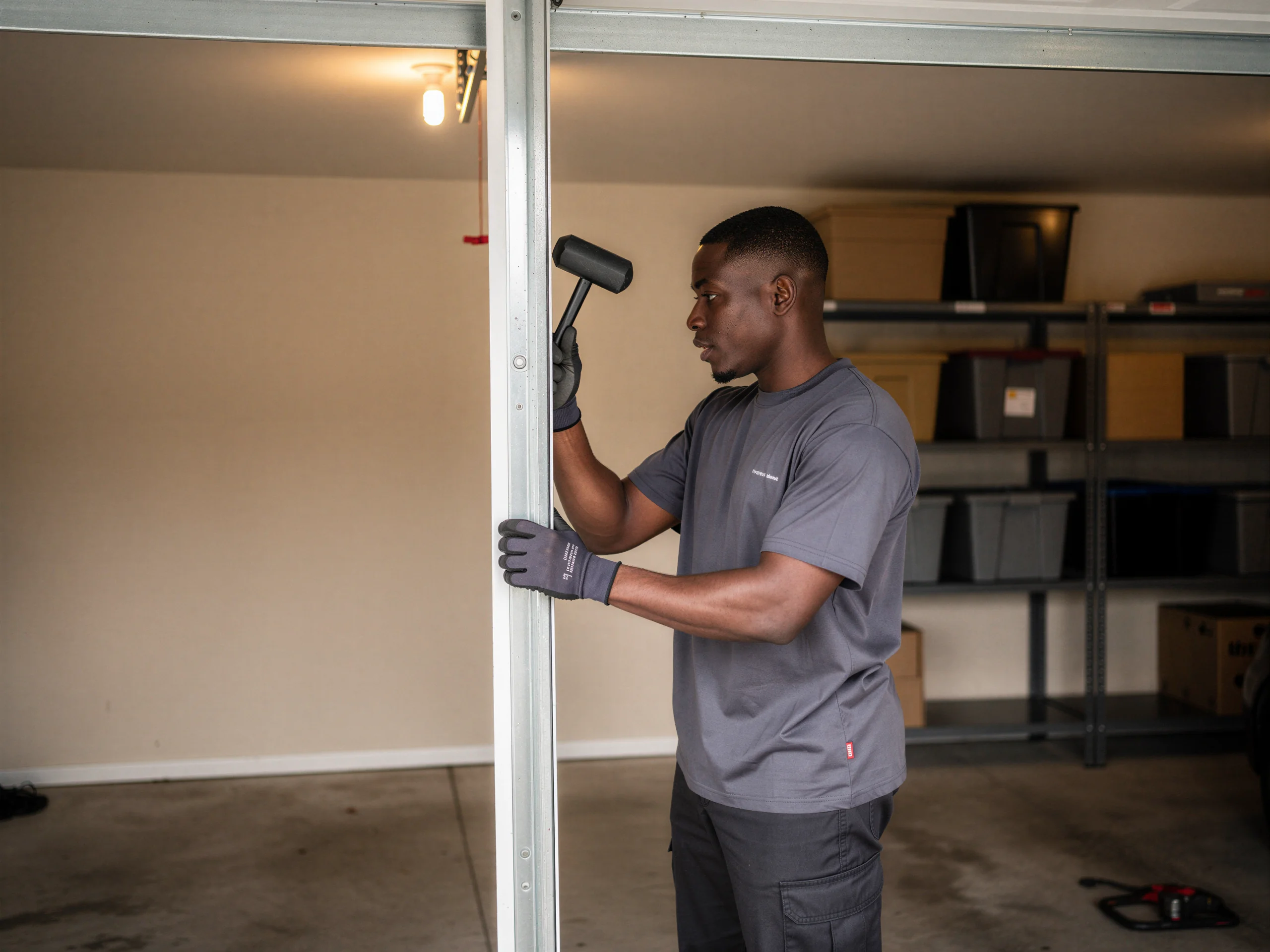
Off Track Repair
Englewood's 1965-era steel sectional doors ride on original track hardware that shifts with age. Learn more →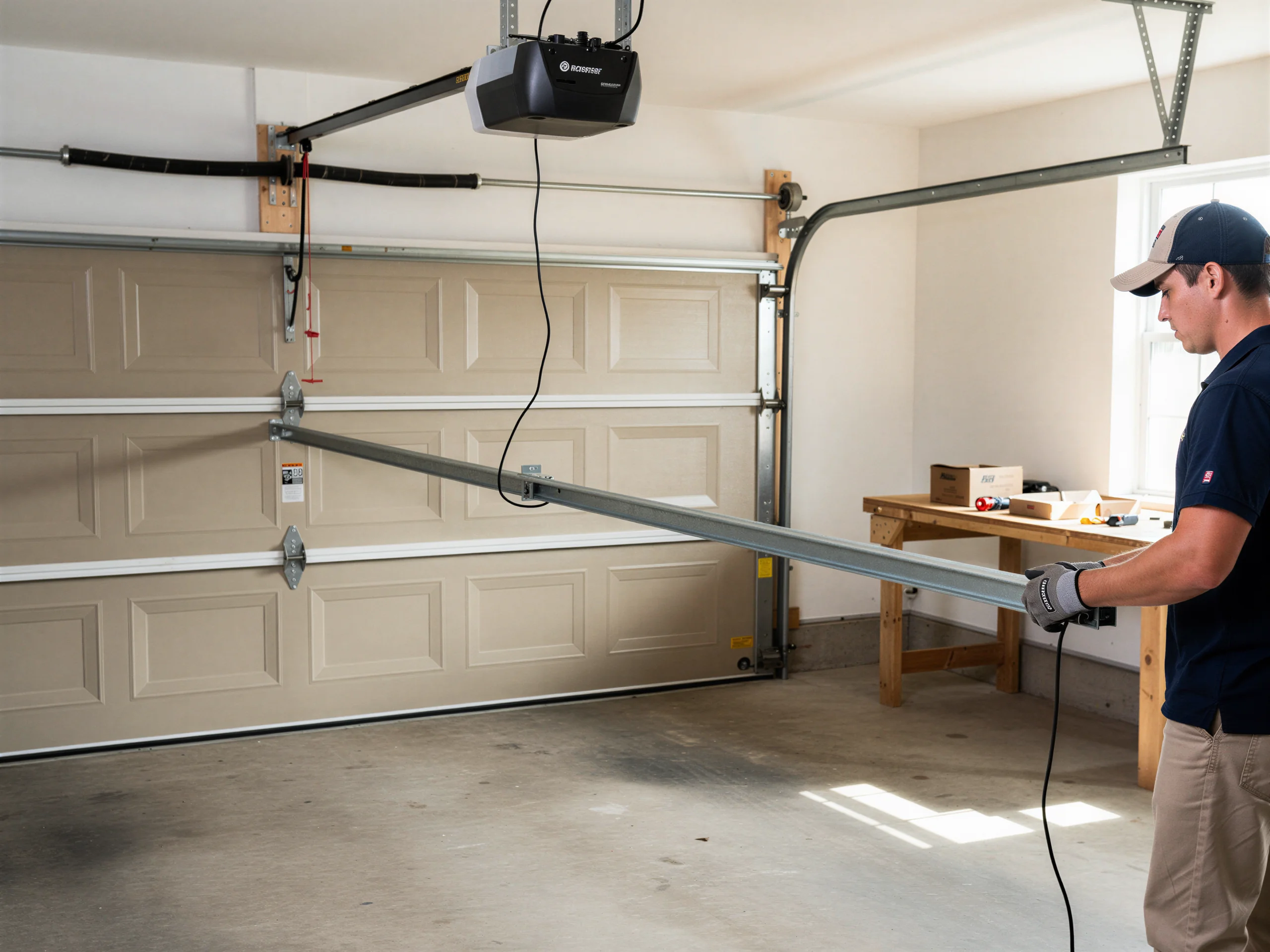
Opener Installation
Englewood homes went up mostly in 1965, with chain-drive openers from that era still hanging on. Learn more →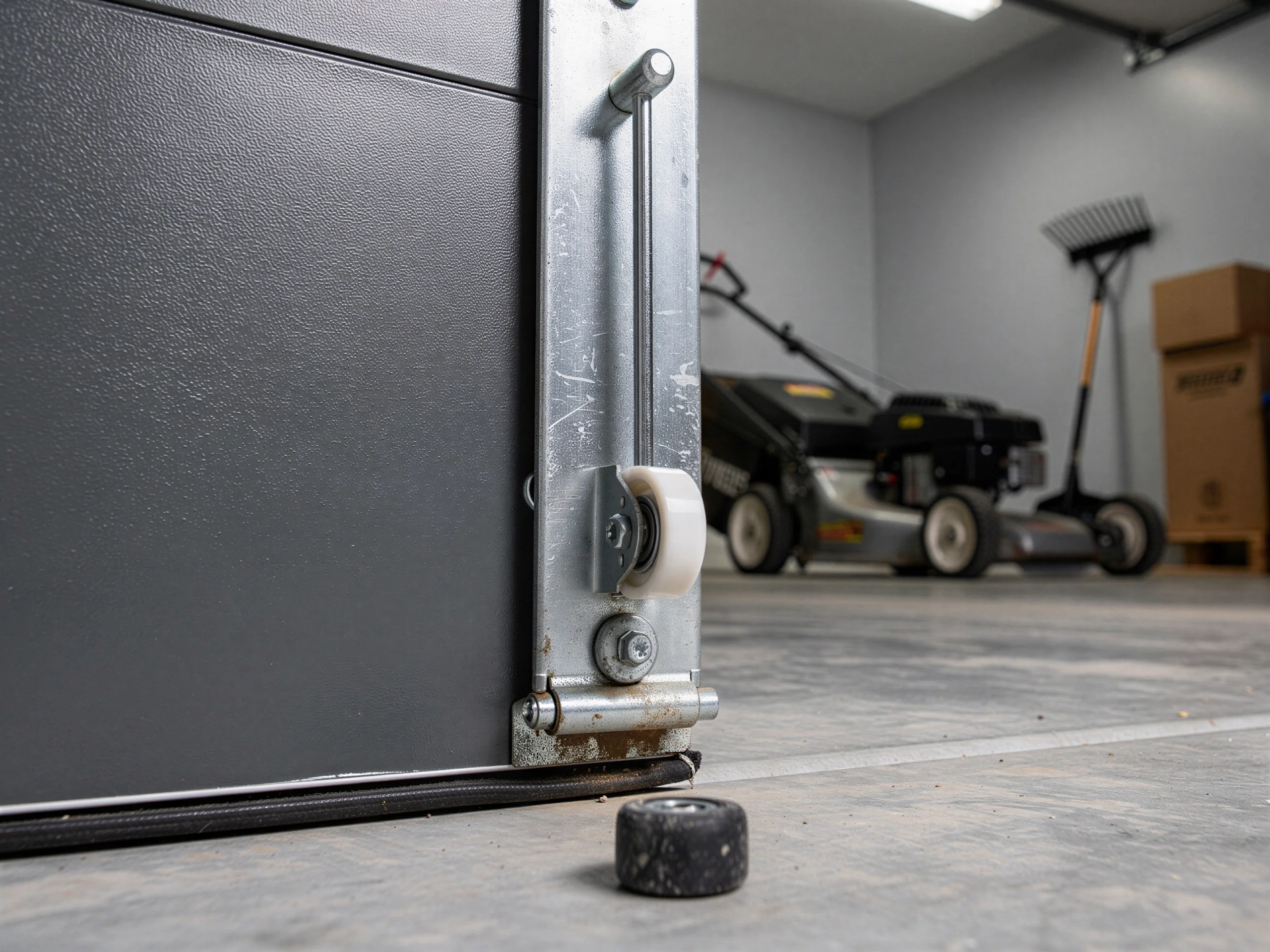
Roller Replacement
Englewood homes built around 1965 run original steel rollers on narrow track. Learn more →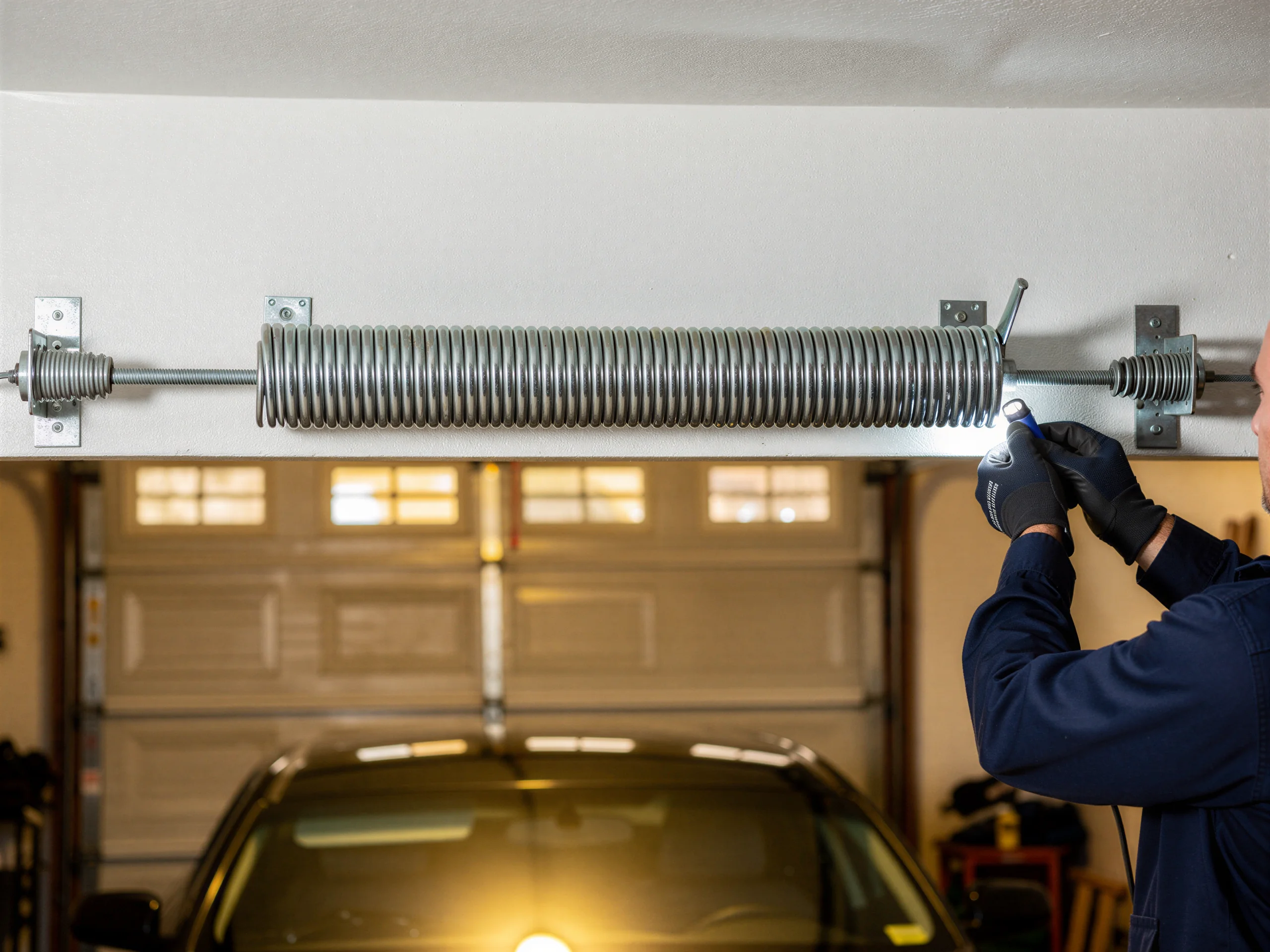
Spring Repair
Englewood's 16,308 households sit mostly on 1960s-era one-piece doors with torsion hardware built for a different climate. Learn more →Ready when you are
Garage door trouble in Englewood?
Littleton Garage Door Pros repairs and installs garage doors, springs and openers in Littleton, CO and the surrounding area.