
Ken Caryl, Littleton
Garage Door Spring Repair, Ken Caryl
Spring repair for Ken Caryl homes, run from Littleton five miles out. Built mostly after 1987, this stock needs different spring stock than older parts of the service area.
The Complications
Ken Caryl sits about five miles from our shop in Littleton, which isn't far, but it changes how the call gets scheduled. A snapped spring five minutes from the shop can sometimes get worked into a gap between other jobs.
Stacking Ken Caryl jobs
A call five miles out usually means the truck is already loaded and routed before it leaves, so we try to stack Ken Caryl jobs with whatever else is running that side of town that day. The other complication is the housing itself. The median home in Ken Caryl went up around 1987, a full decade newer than the 1977 median across the rest of the service area.
Factory torsion systems
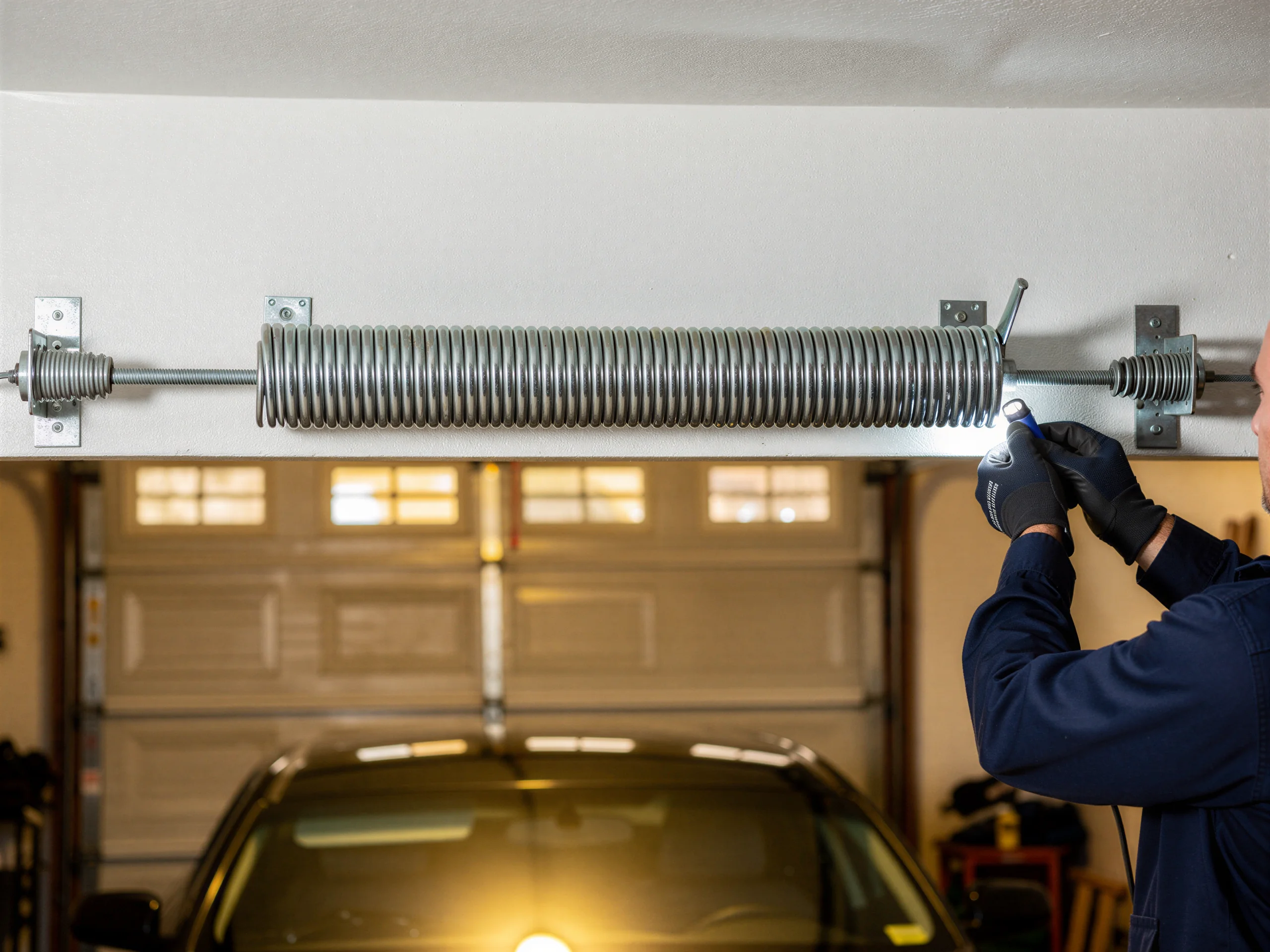
That decade matters more than it sounds like it should. Homes from that era were mostly built with factory torsion spring systems rather than the older extension-spring setups still common on houses from the 1960s and '70s elsewhere in the territory. That's a different failure mode, different hardware, and in some cases a different spring size than what we'd pull for an older house a few miles away.
Phone questions before dispatch
None of this changes what breaks - a spring is a spring - but it does change what's already on the truck when we turn onto your street, and it's why we ask a few more questions on the phone before we load up.
What You Pay
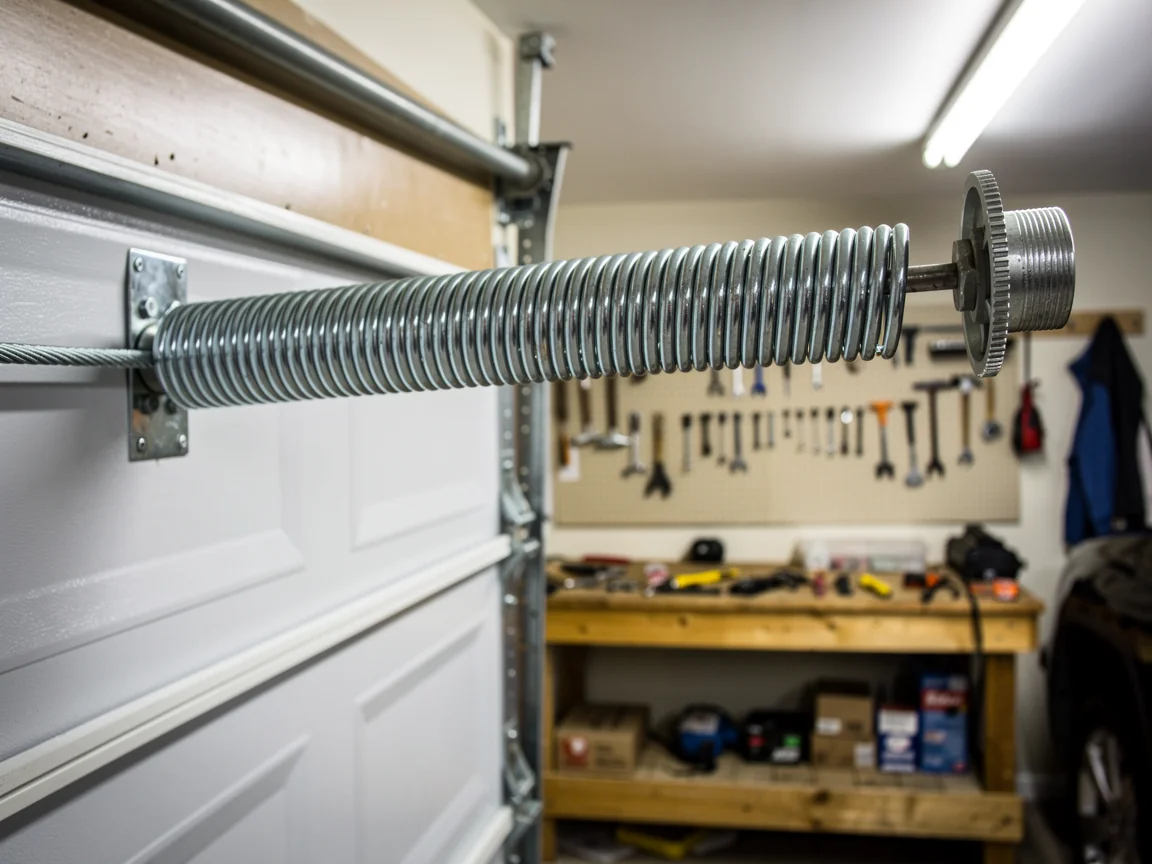
We don't publish a flat number for Ken Caryl specifically, because torsion spring jobs price differently depending on door weight, spring pair count, and whether the drums or cables need attention at the same time.
Uniform pricing across area
What we can tell you is that the pricing structure is the same one we quote for the rest of the service area - it isn't marked up for the drive, and it isn't discounted for it either. The five miles from Littleton is built into how the day is routed, not into what's on the invoice.
Spring pricing reference
If you want a sense of how we price spring jobs generally, including what changes the number up or down, that's covered on our main spring repair page for the Littleton area - the mechanics and the pricing logic are identical here, it's only the hardware mix that shifts.
Heavier insulated spring stock
One honest note: if your door needs a spring size we don't carry in stock for a double torsion setup on a heavier insulated door, which shows up more often on the newer builds out here, we may need to order it rather than finish same-visit. We'd rather tell you that up front than promise a fix we can't close out that day.
The Symptom
The most common version of this call starts the same way regardless of what year the house was built: the door won't lift, or it lifts a few inches and stops, or the opener strains and groans like it's fighting something.
Matched spring pair failure
That's a broken torsion spring on one or both sides of the header, and on a double door it's almost always a matched pair - if one went, the other is usually close behind, even if it hasn't let go yet.
Gradual tension fade
On the newer builds common in Ken Caryl, we also see a quieter version of the same problem: the spring hasn't snapped outright, it's just lost tension gradually, and the door feels heavier every week until the opener can't compensate anymore. That slow failure is easy to miss because the door still opens - just slower, and with more strain on the opener gears than they're built for.
Bang and sagging cables
Either way, the giveaway is the same: a loud bang from the garage, a door that won't stay up without a hand under it, or cables that look loose and bowed instead of taut when the door's down. If you see the spring itself split apart on the bar above the door, don't try to close or open it - call before you touch it.
What Is on the Truck
For a Ken Caryl call we load torsion springs across a wider range than we would for a strictly older neighborhood, because the housing stock here splits between the 1960s-70s hardware common across the service area and the newer, heavier door setups from the 1987 median build year. That means more than one wind-rating option, both single and dual spring configurations, and cable and drum stock to match.
We also carry the basics every spring job needs regardless of house age: winding bars, a tension gauge, replacement end bearings, and lubricant rated for the cold. What we don't carry is every oversized or custom-length torsion spring made - if your door was special-ordered with a non-standard spring length, which does happen on some of the larger insulated doors out here, we may need to special-order the part rather than carry it as a matter of course. That's the one gap worth knowing about before we show up.
The DIY Question
A torsion spring is wound under enough tension to break a bone or worse if it lets go while you're working on it, and that's true whether the house was built in 1960 or 1990.
Winding bars and sockets
The tools matter here more than the instructions - winding bars, a correctly sized socket, and a way to lock the bar while you work. None of that is optional, and none of it is something to improvise with a screwdriver. If the spring has already snapped and the door is down, the safest thing to do is leave it down and call.
Slow-heavy symptom warning
If it hasn't snapped yet but you've noticed the slow-heavy symptom described above, that's not a DIY tensioning job either - releasing or adding tension to a wound spring without the right bars is one of the more common ways people get hurt in a garage.
Self-checks before calling
What you can safely check yourself: whether the cables look frayed or kinked, whether the springs are visibly stretched or gapped, and whether the opener is straining audibly before you ever call. That information helps us bring the right spring size on the first trip instead of a second one.
Why It Happens Here
Springs fail from fatigue and from cold, and Ken Caryl gets both. The service area overall sits in a severe cold climate band, and steel loses flexibility as temperatures drop, which means a spring near the end of its life is more likely to go on a cold morning than a mild afternoon. That's true across the territory, but it interacts differently with the two different eras of hardware out here.
On the older torsion and extension systems from the 1960s-70s stock, fatigue is usually the bigger factor - the springs have simply cycled tens of thousands of times over the decades. On the newer builds closer to the 1987 median, the springs are younger, but the doors are often heavier - bigger panels, more insulation, dual-car widths - which puts more load-bearing work on each wind of the spring from day one. A 13,655-household suburb with a newer build profile ages its hardware on a different curve than an older neighborhood does, even inside the same cold-weather territory, and that's the main reason the fix looks a little different depending on which street you're calling from.
Questions
Common questions
Do you have a branch in Ken Caryl, or does someone drive out from Littleton every time?
We run out of Littleton and drive to Ken Caryl for every call - there's no separate branch here. It's about five miles, and that distance is built into how we route the day rather than into your bill. We don't promise a same-day slot on every call out here the way we might for something closer to the shop.
Why does my spring size seem different from my neighbor's older house?
Ken Caryl's median home was built around 1987, about a decade newer than much of the rest of the service area. Newer builds here often run heavier insulated doors with factory dual torsion springs, while older houses nearby may still have the lighter single-spring or extension-spring setups from the 1960s and '70s. Different era, different hardware.
Is a snapped spring an emergency or can it wait?
If the door is stuck down and you can live without the garage for a day or two, it can wait safely as long as nobody tries to force the door. If you need the car out and the door won't lift, that's worth a call sooner rather than later - don't try to winch or pry it open yourself.
Can you fix it the same visit, or do parts sometimes need ordering?
Most standard torsion springs are stocked on the truck. The exception is non-standard or custom-length springs, which show up more often on some of the larger insulated doors common in newer Ken Caryl builds. If yours needs one, we'll tell you on the spot rather than promise a same-visit fix we can't deliver.
Explore more
More Services in Ken Caryl
Garage Door Repair
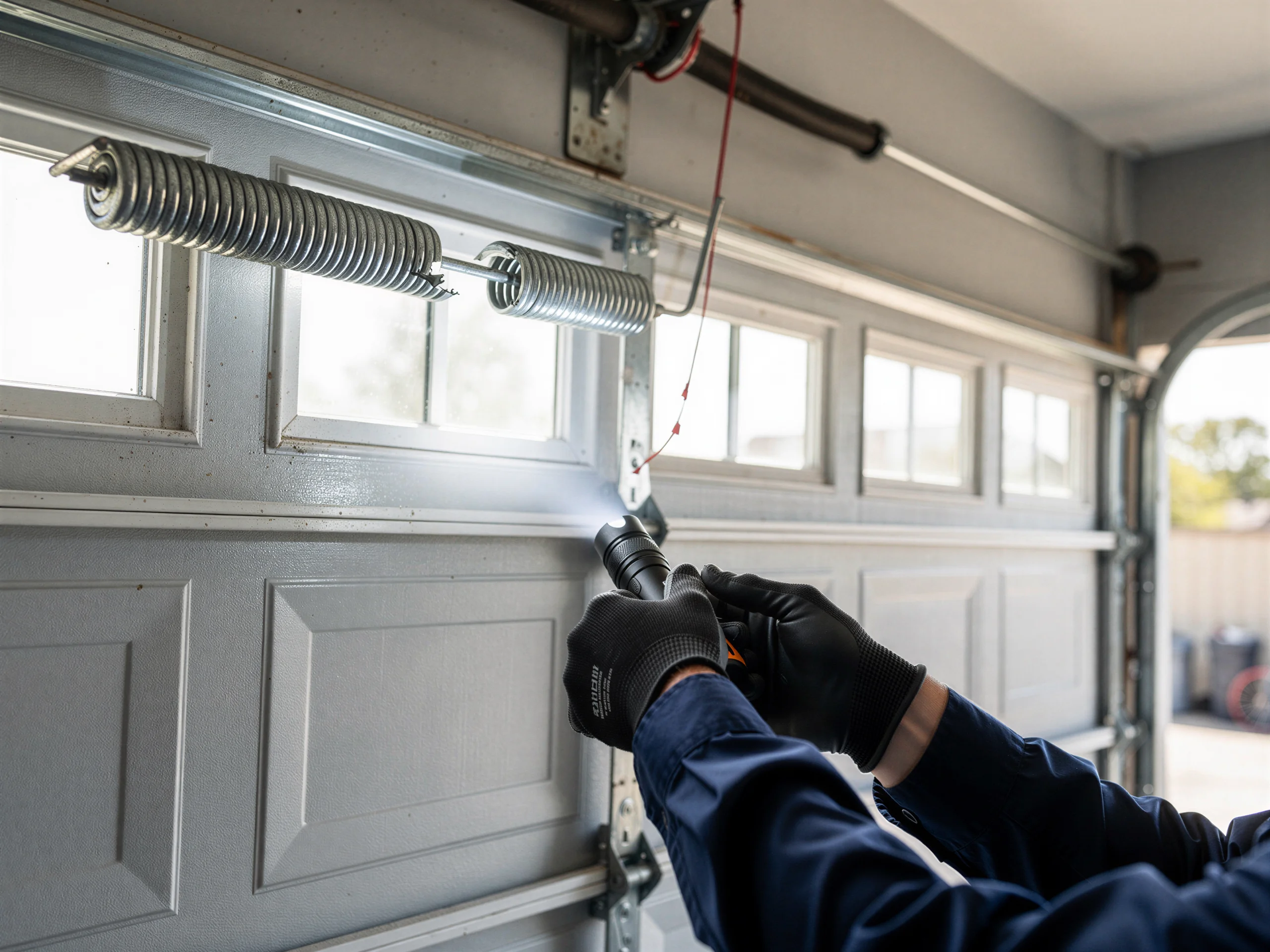
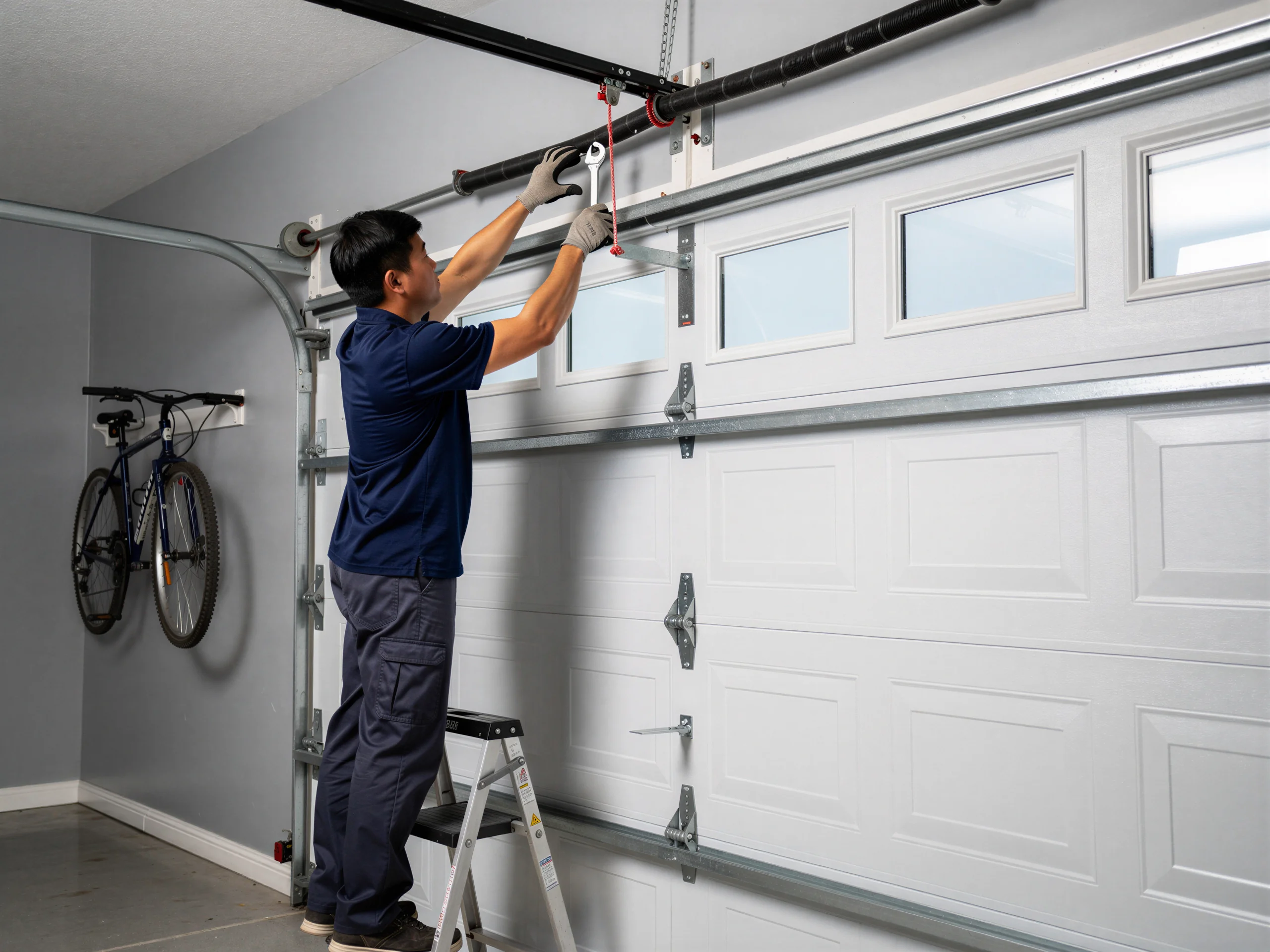
Ken Caryl has about 13,655 households and a median build year of 1987 - that's the hardware profile our trucks see on the 5-mile run from Littleton. Learn more →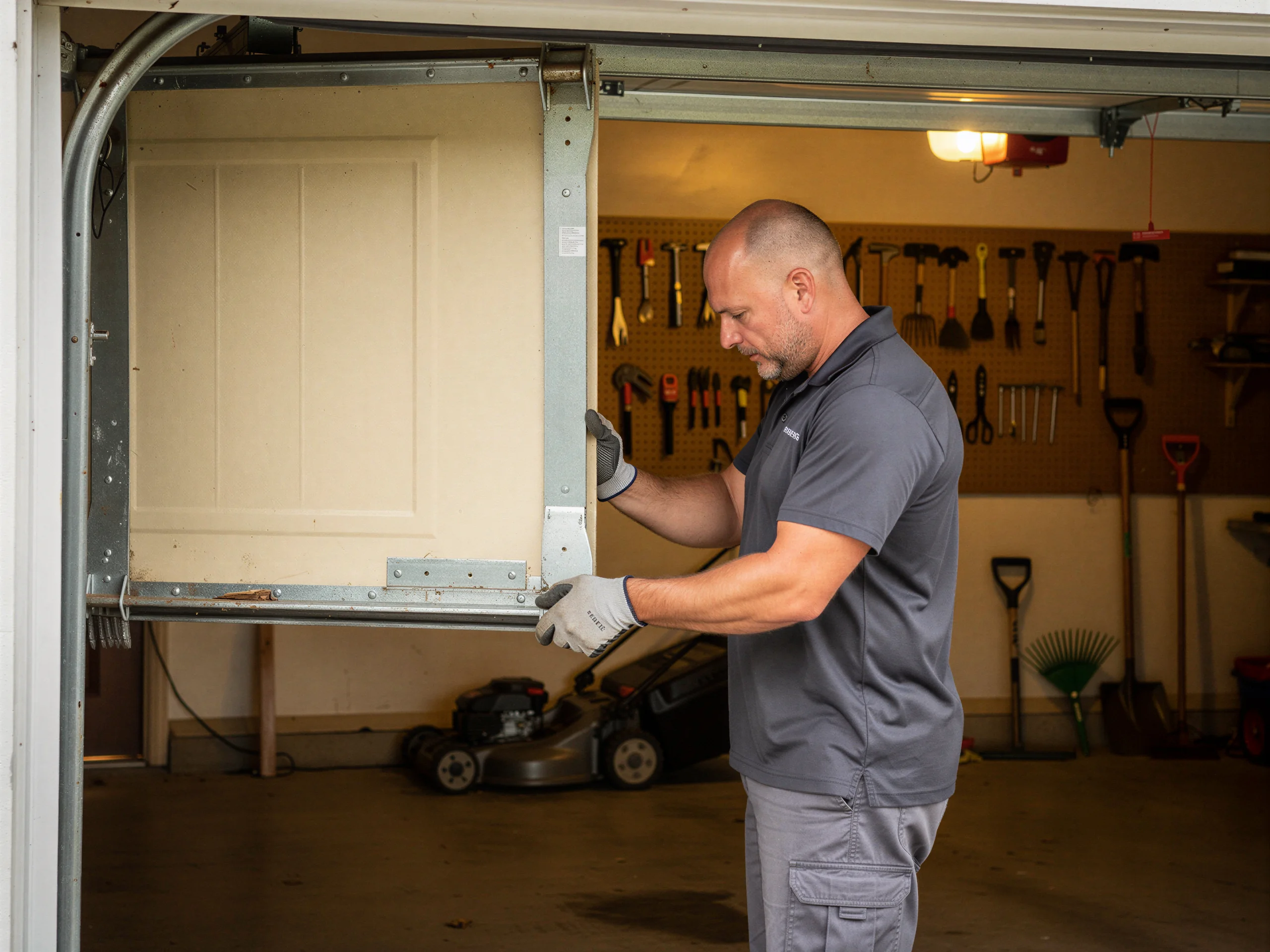
Garage Door Service
Ken Caryl homes mostly date to 1987 - newer than the Littleton-area median. Learn more →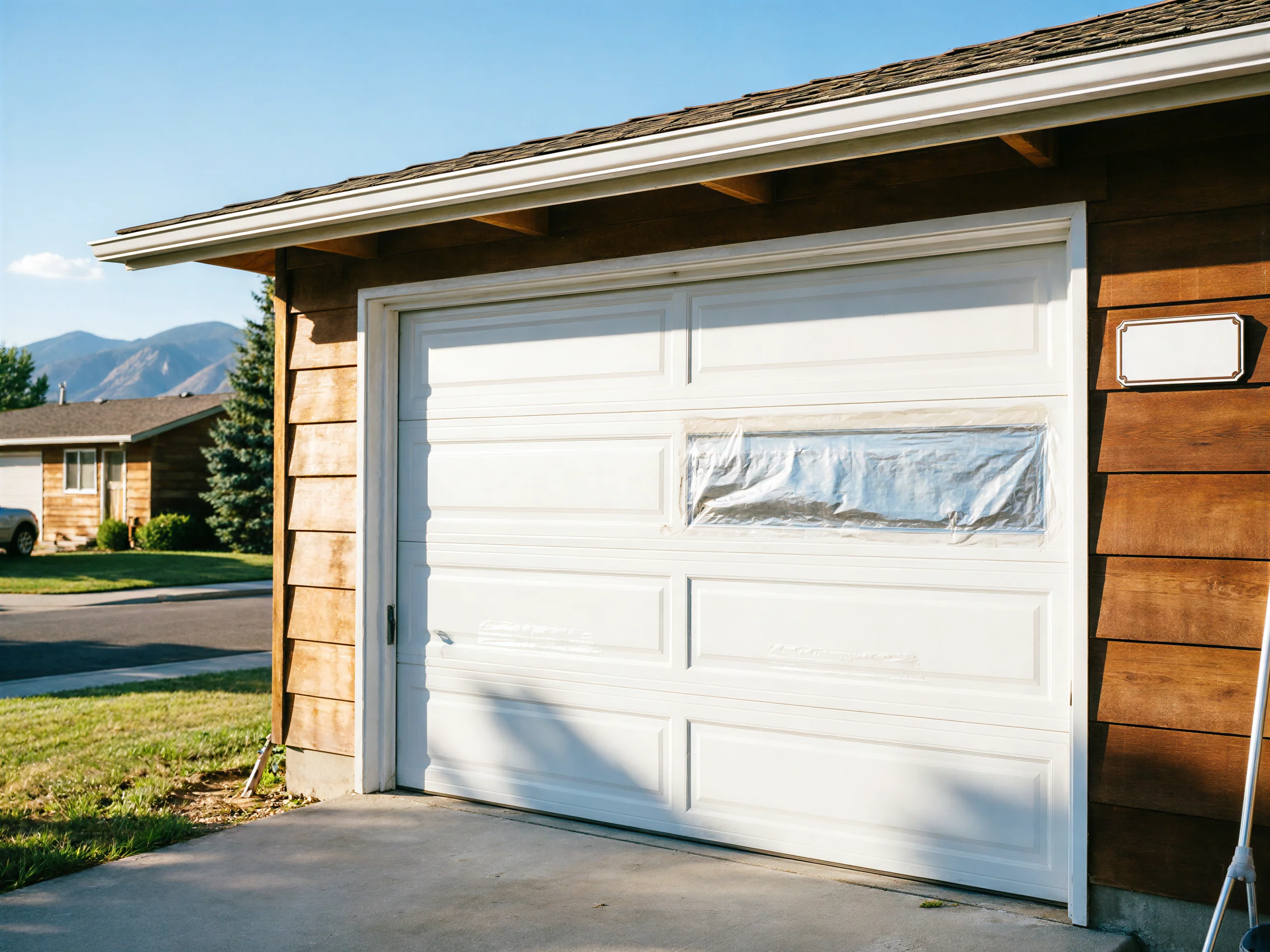
New Door Installation
Ken Caryl homes mostly date to 1987, a decade newer than much of Littleton's stock. Learn more →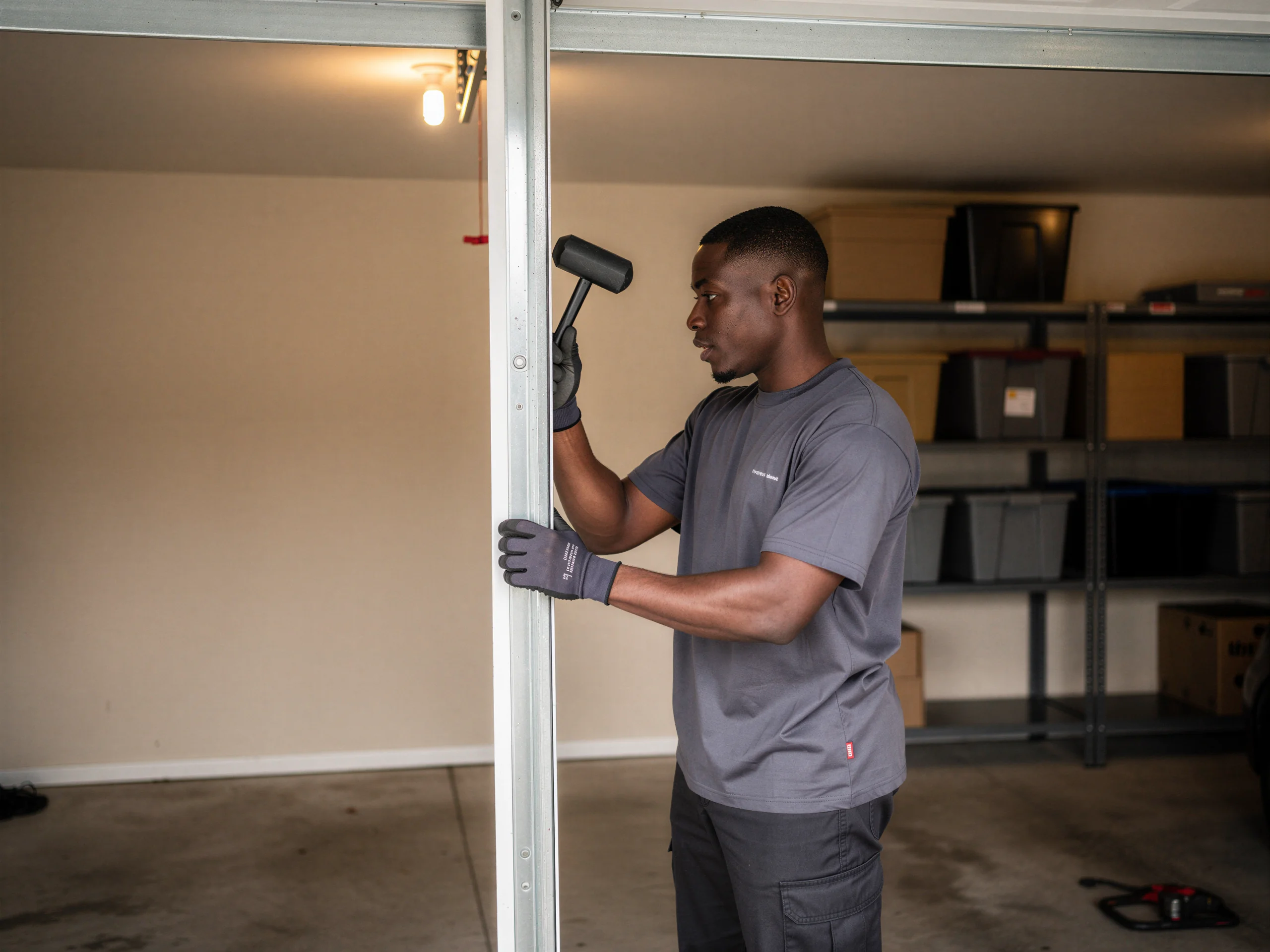
Off Track Repair
Ken Caryl homes built around 1987 are hitting the age where original rollers and track brackets let a door jump its track. Learn more →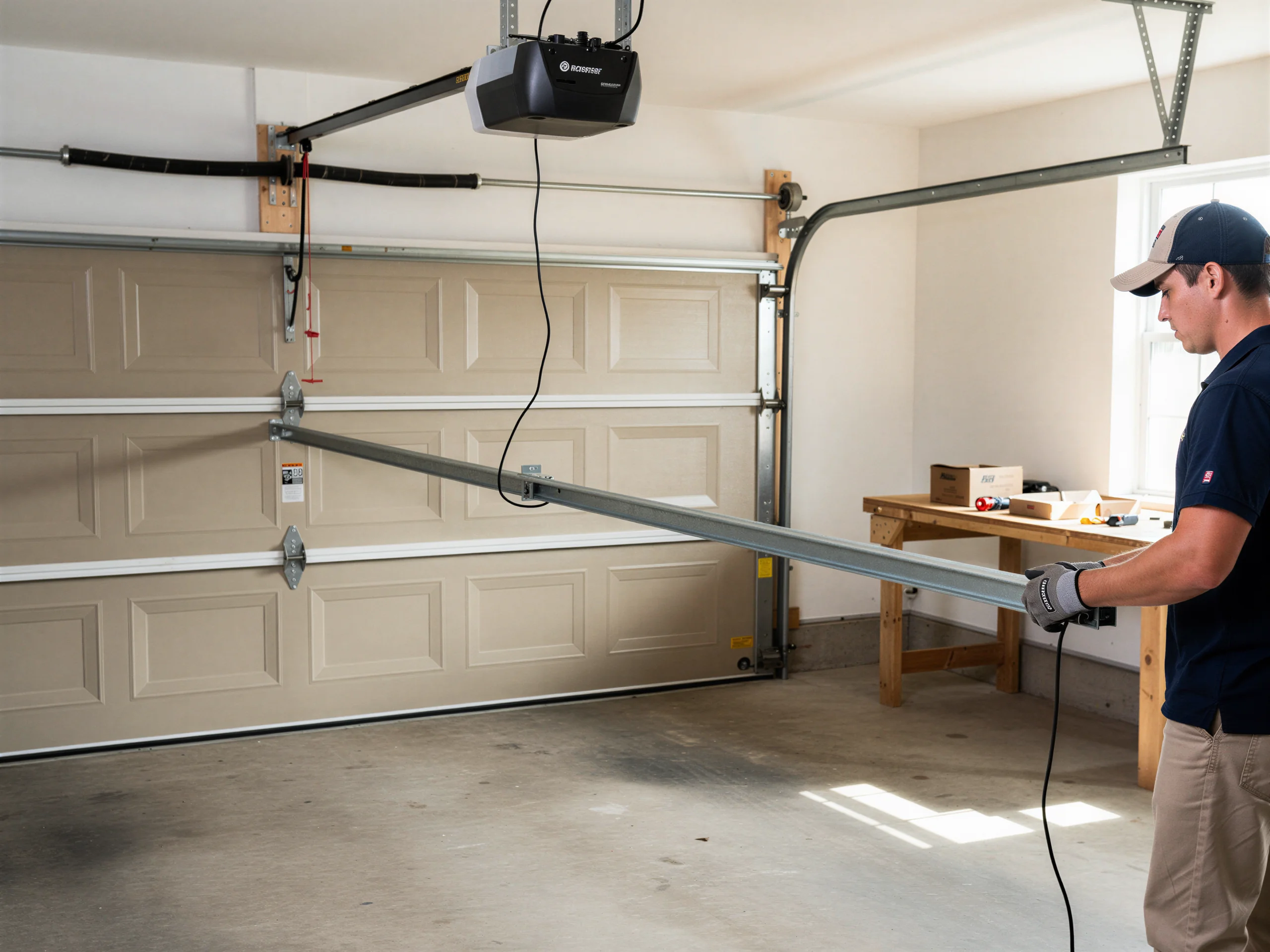
Opener Installation
Ken Caryl homes mostly went up in the 1980s with larger two-car doors and older chain-drive openers. Learn more →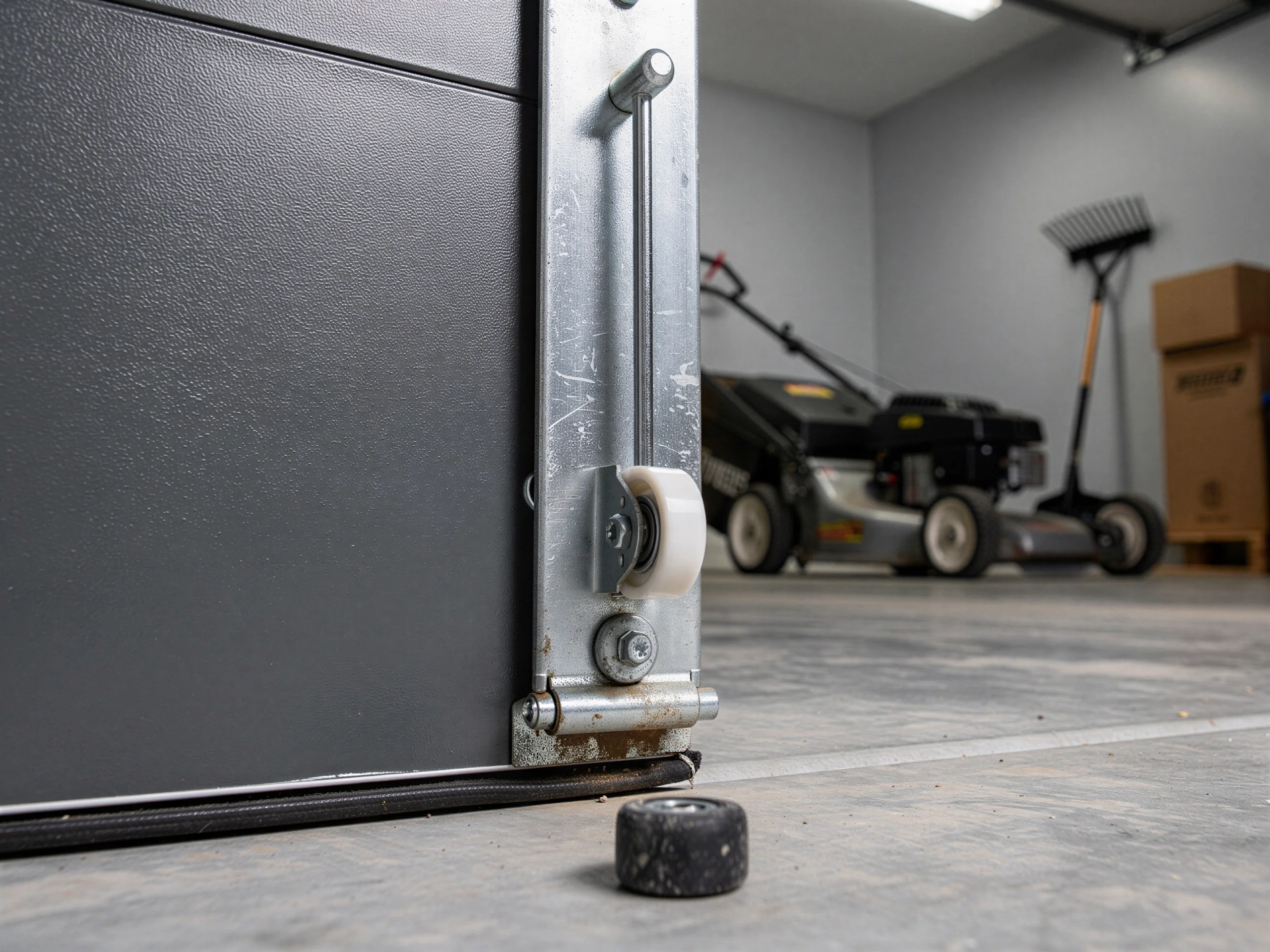
Roller Replacement
Most Ken Caryl garage doors went up around 1987, with steel rollers on stamped-steel sectional doors. Learn more →Ready when you are
Broken garage door spring in Ken Caryl?
Littleton Garage Door Pros repairs and installs garage doors, springs and openers in Littleton, CO and the surrounding area.