
Ken Caryl, Littleton
Roller Replacement for Ken Caryl's 1980s Garage Doors
Most Ken Caryl garage doors went up around 1987, with steel rollers on stamped-steel sectional doors. We replace worn rollers on the 5-mile run from Littleton.
The Complications
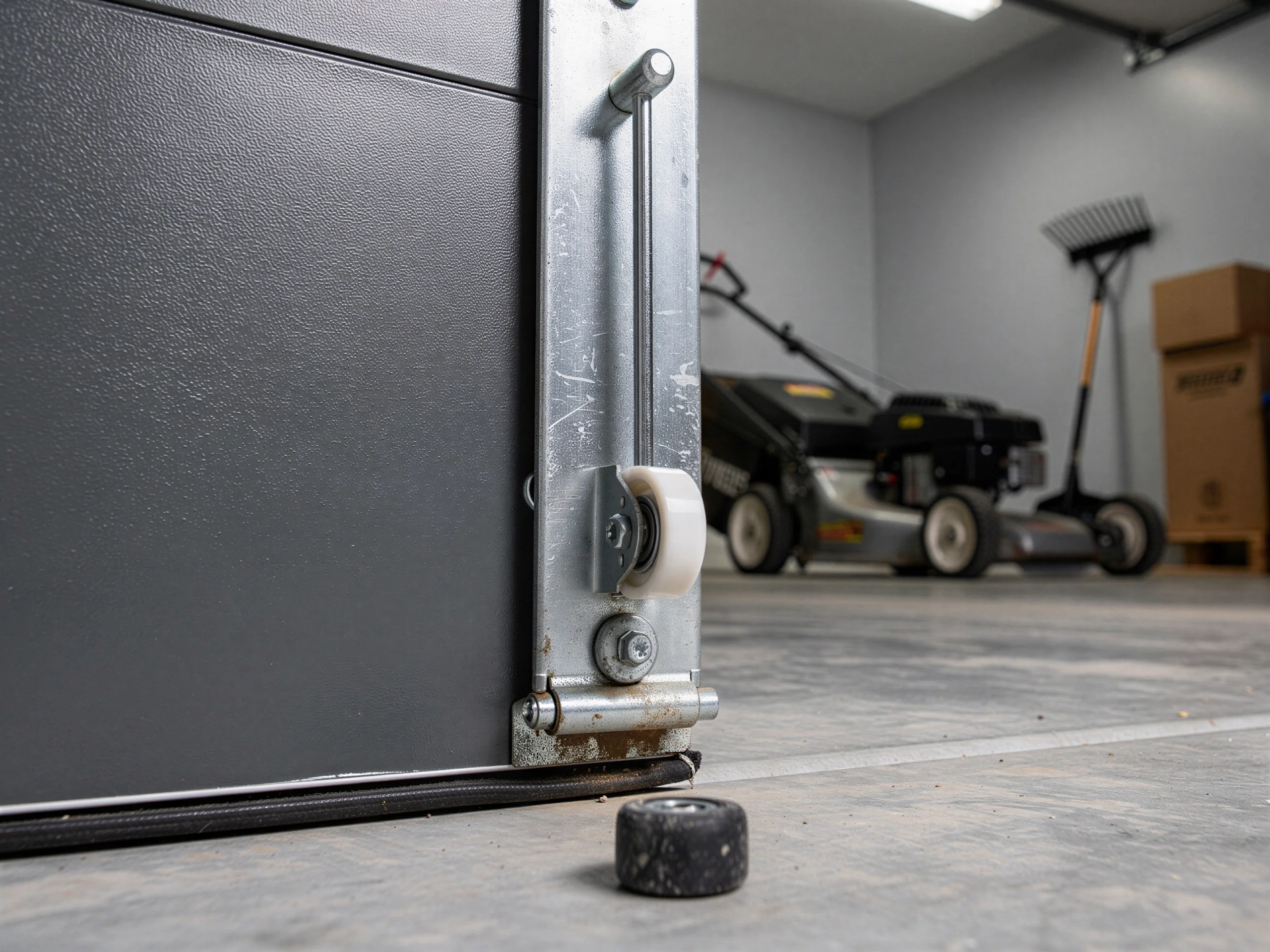
Ken Caryl's housing stock centers on a median build year of 1987, which puts most garage doors here a full decade newer than the broader service area's 1977 median. That matters for rollers. A door built in the mid-to-late 80s almost always shipped with 10-ball or 7-ball steel rollers on steel stems, no nylon, no sealed bearings. Those rollers were fine for their era but they're pushing 35+ years of travel now, and steel-on-steel wears the track groove unevenly over that much time. The complication isn't finding the part - it's that the track itself has often worn to match the old roller's wobble, so a straight swap to a new roller can suddenly ride rough or rattle in a track that's been shaped by decades of the old hardware. We check the track profile before we commit to a roller size, because guessing wrong here just moves the noise instead of fixing it.
What You Pay
We don't have a posted roller-replacement price for Ken Caryl calls, and we're not going to make one up.
Set size and material
Roller jobs price out by count (a full set of 10 versus a couple of replacements), roller type (steel, nylon, or sealed-bearing nylon), and whether the track needs adjustment or replacement alongside them.
No branch markup
What we can tell you is that this is a Littleton-based crew traveling the 5 miles out to Ken Caryl for the job - there's no local branch markup, but there's also no walk-in counter here, so every job gets priced on the call or the visit, not off a generic list.
The Symptom
The telltale sign on a 1987-era door is a grinding or clacking sound that gets louder as the door nears the top or bottom of its travel, not a smooth hum the whole way. That's steel roller wheels with flat spots or dry stems, not a spring problem and usually not an opener problem. If the noise is a sharp bang at one specific point in the cycle every single time, that's more often a worn roller catching a seam in an old steel track section than the roller itself. We listen for where in the cycle the noise happens before we open the door panel, because that tells us roller versus track versus hinge faster than looking at the roller alone.
What Is on the Truck
For a service area where most doors are late-70s through 2000s stock, the truck carries steel rollers in the common stem lengths, nylon rollers for owners who want quieter operation, and sealed-bearing nylon for anyone upgrading off original 80s hardware. We also carry replacement hinges, since a roller swap on a door this age often turns up a hinge with an elongated hole from the same three decades of wear - swapping the roller alone and leaving a worn hinge just moves the rattle one bracket over.
The DIY Question
Replacing a bottom roller on an unloaded door is within reach for most owners with the right pliers and a little patience.
Top-section roller risk
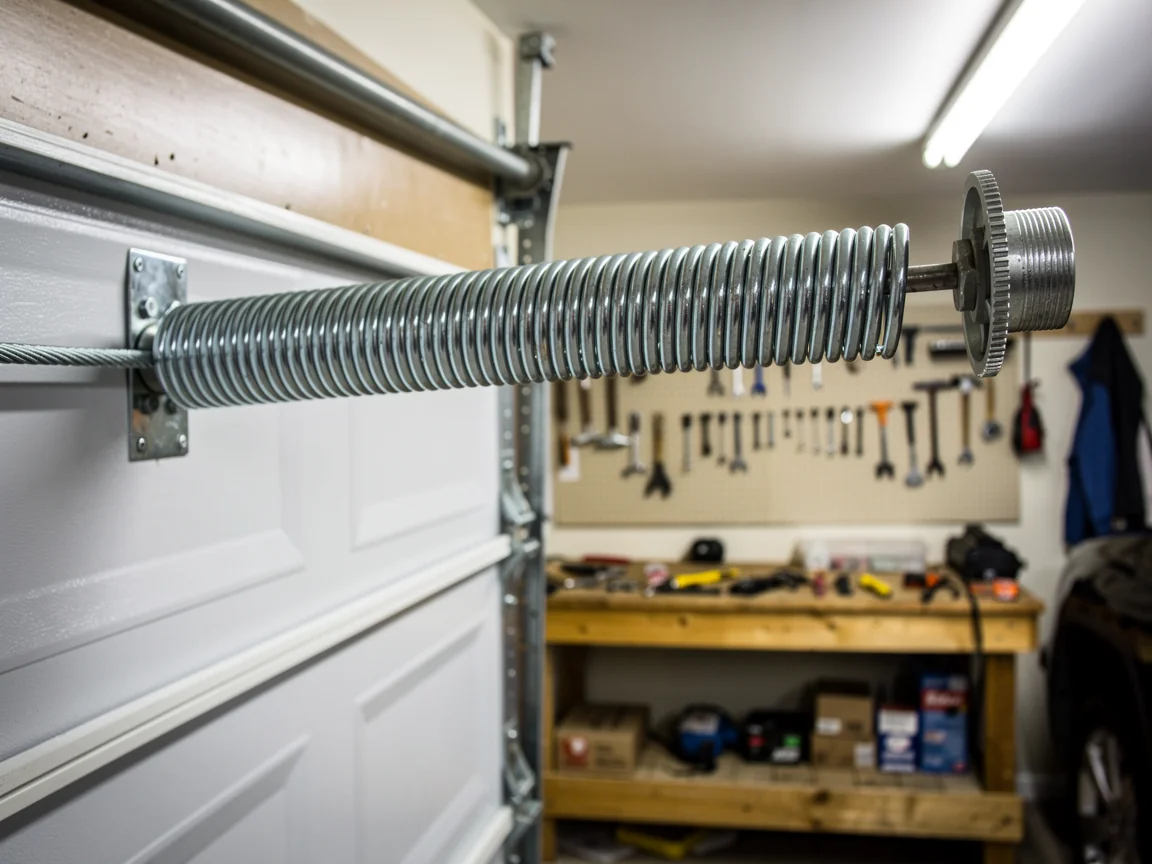
Top-section rollers near the torsion spring are a different matter - the spring is under load and a slipped roller bracket there can put real force behind a hand.
Assembly check before rollers
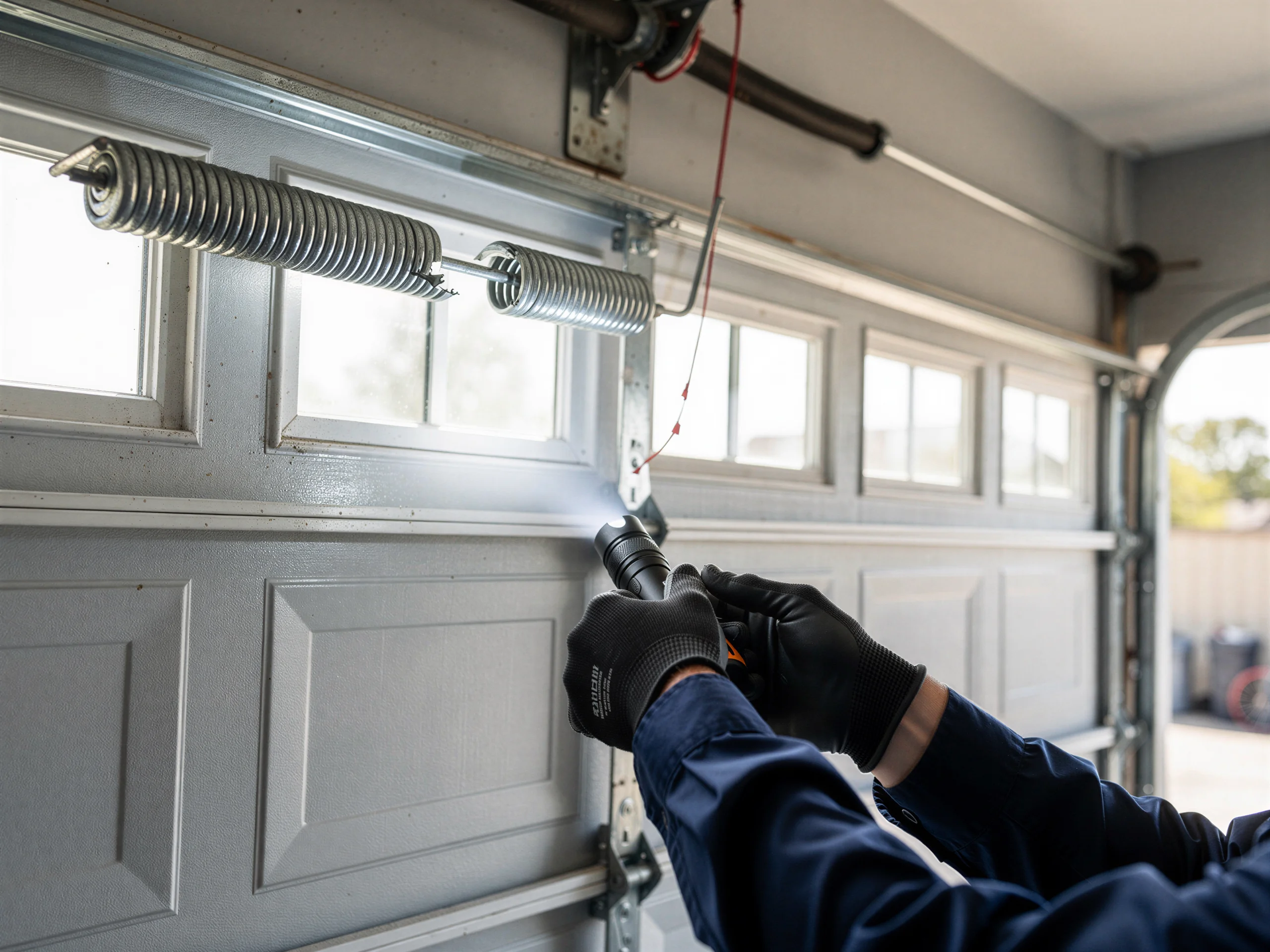
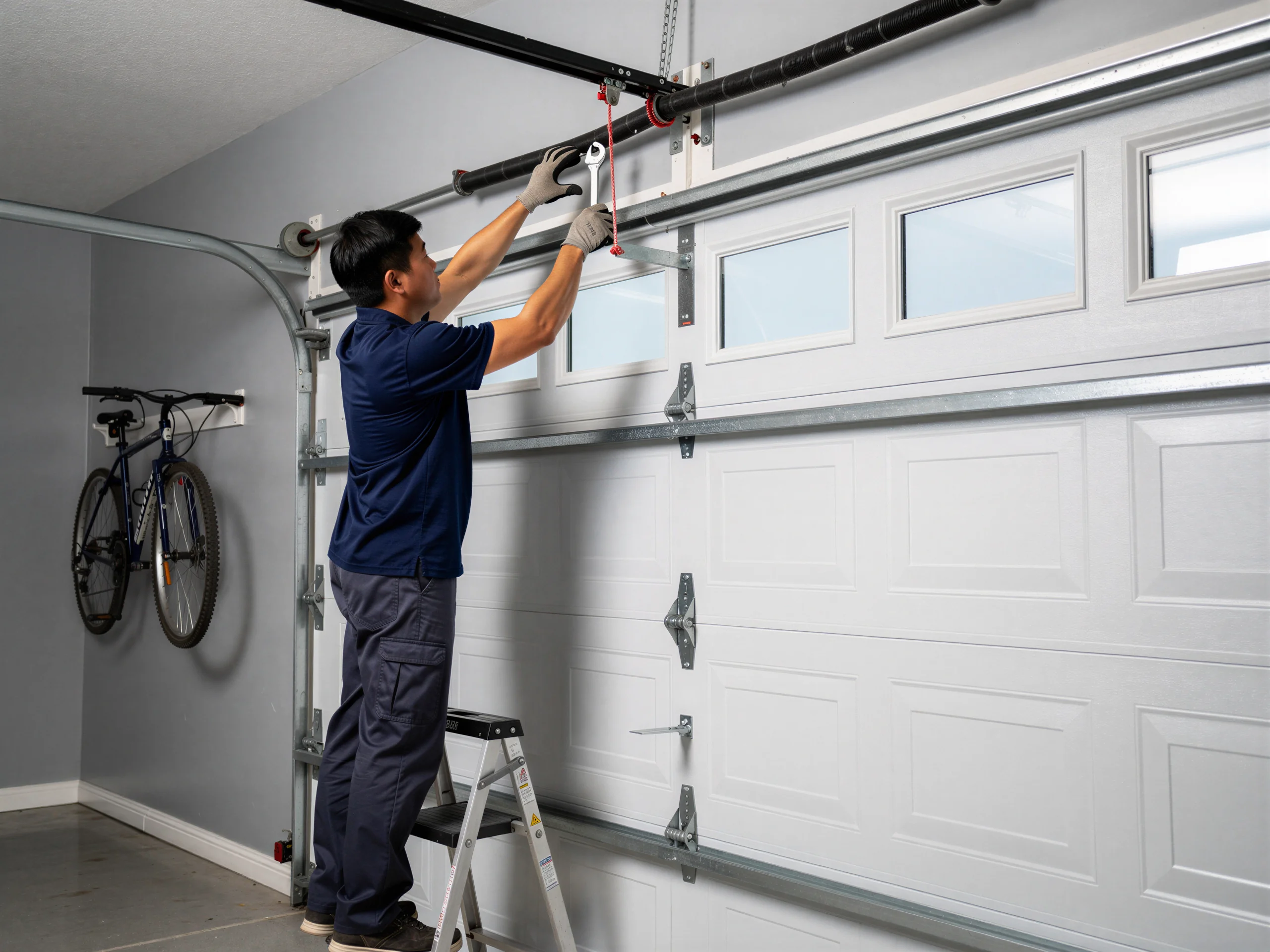
Honest limitation: if your door is original 1987 hardware and you're not sure whether the spring's been serviced since, we'd rather come look at the whole assembly than sell you a bag of rollers over the phone and have you find out the hard way what else has worn alongside them.
Why It Happens Here
Colorado's cold winters aren't kind to steel-on-steel roller stems - the grease stiffens, the roller doesn't spin freely at the bottom of a cold cycle, and it skids instead of rolling, which flattens the wheel faster than normal wear would. Ken Caryl sits about 5 miles from Littleton, close enough that we're not guessing at the climate exposure here versus our home base - it's the same cold band, just newer housing stock carrying the same hardware fatigue on a later timeline than the 1977-median neighborhoods closer in.
Questions
Common questions
Why does my 1987 garage door suddenly sound worse in winter?
Cold stiffens the grease on steel roller stems, so the roller skids instead of turning freely at the bottom of the cycle. That skid flattens one side of the wheel faster than normal rolling wear, which is why a lot of Ken Caryl owners notice the grinding gets louder once temperatures drop.
Do you have a branch in Ken Caryl?
No. Littleton Garage Door Pros runs this job from Littleton, about 5 miles away. There's no local depot here, just a truck that comes out for the call.
Should I replace all the rollers or just the noisy one?
If your door is original from the 1987 era, the other rollers are the same age and likely close behind in wear, even if they're quiet today. We'll look at the full set before recommending a partial swap versus doing them all at once.
Can I just use the same steel rollers as original?
You can, and they're still on the truck, but most owners replacing original 1980s hardware switch to nylon or sealed-bearing nylon at the same time since the labor to get in there is the same either way.
Explore more
More Services in Ken Caryl
Garage Door Repair
Ken Caryl has about 13,655 households and a median build year of 1987 - that's the hardware profile our trucks see on the 5-mile run from Littleton. Learn more →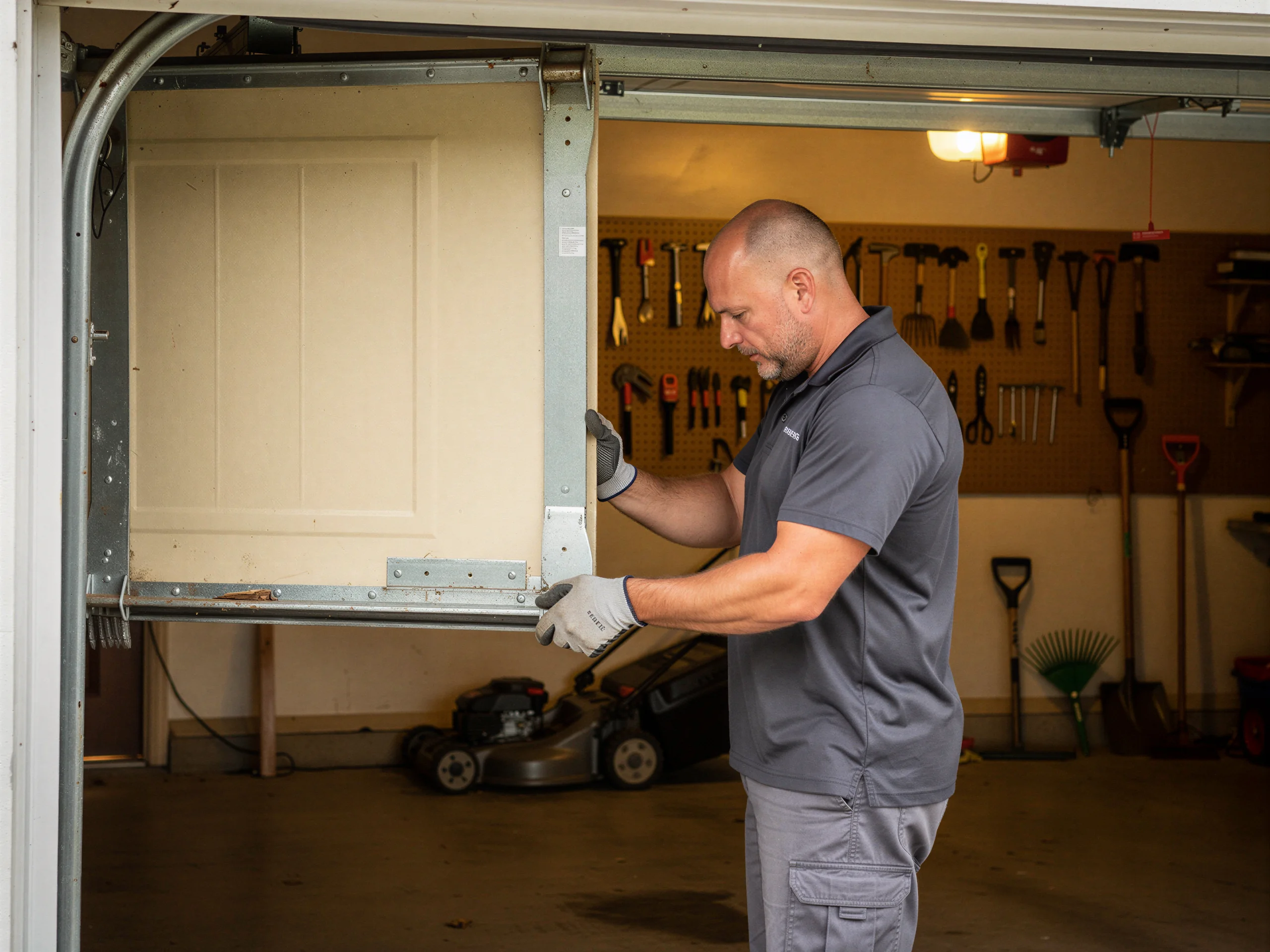
Garage Door Service
Ken Caryl homes mostly date to 1987 - newer than the Littleton-area median. Learn more →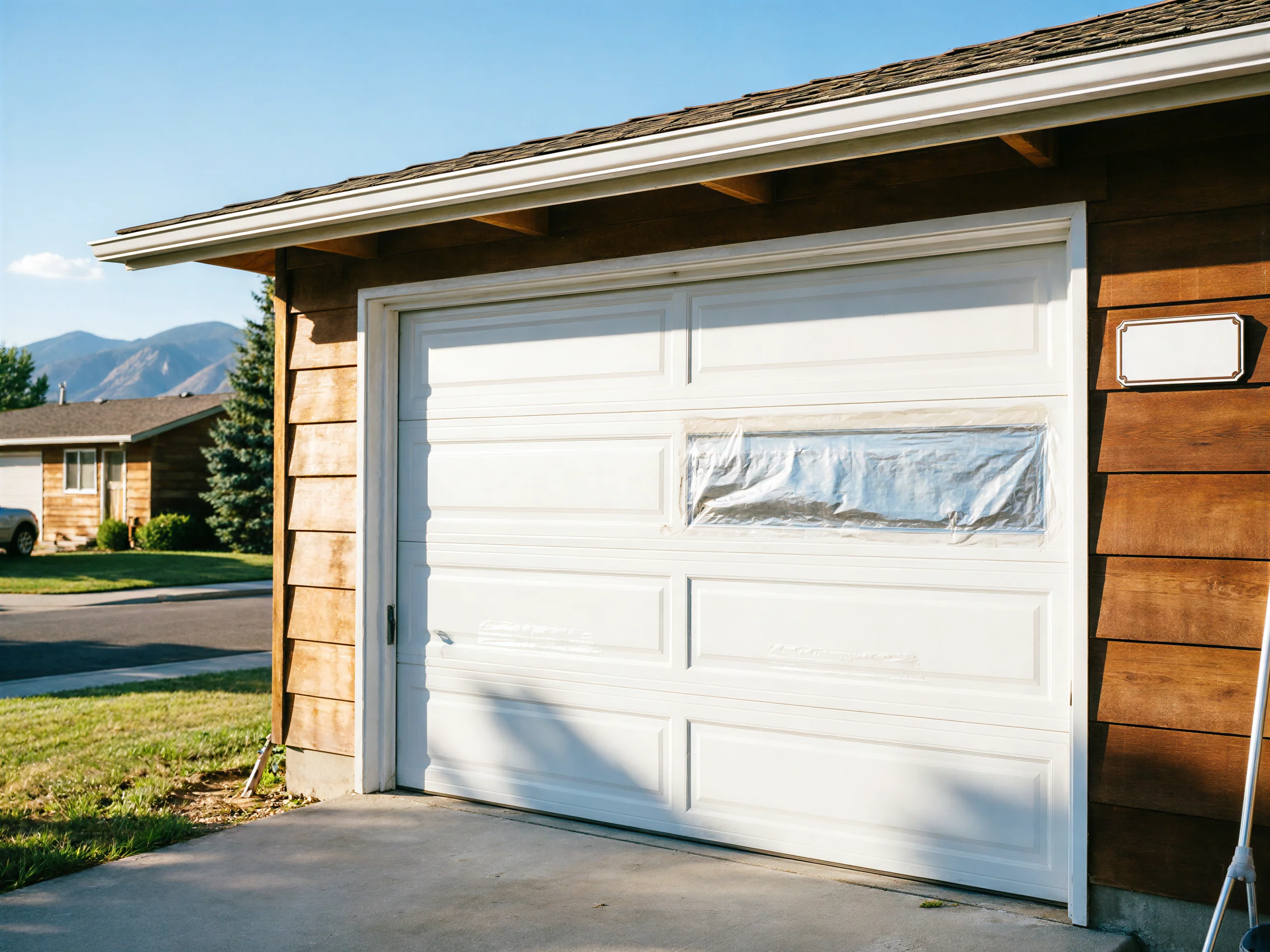
New Door Installation
Ken Caryl homes mostly date to 1987, a decade newer than much of Littleton's stock. Learn more →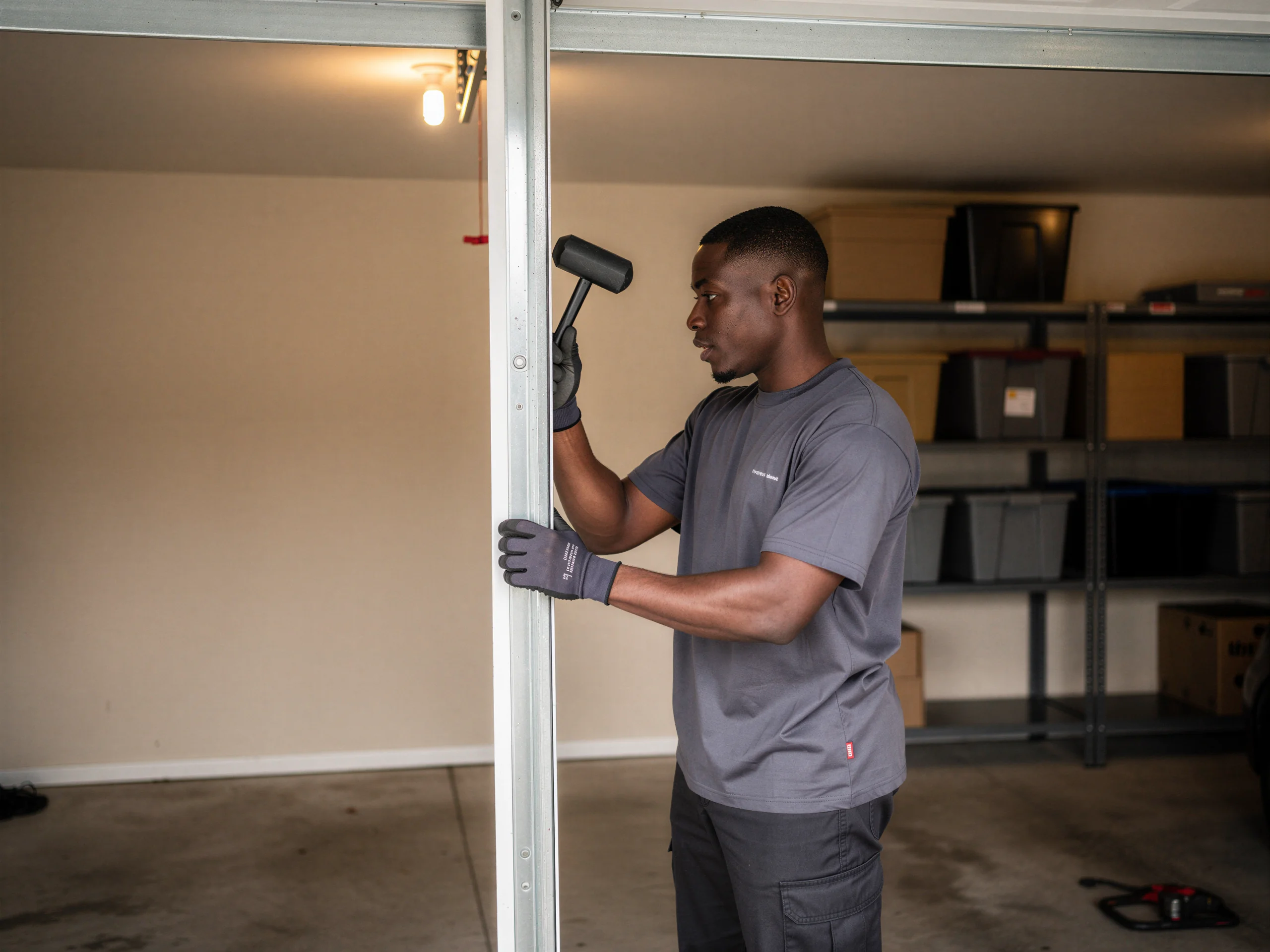
Off Track Repair
Ken Caryl homes built around 1987 are hitting the age where original rollers and track brackets let a door jump its track. Learn more →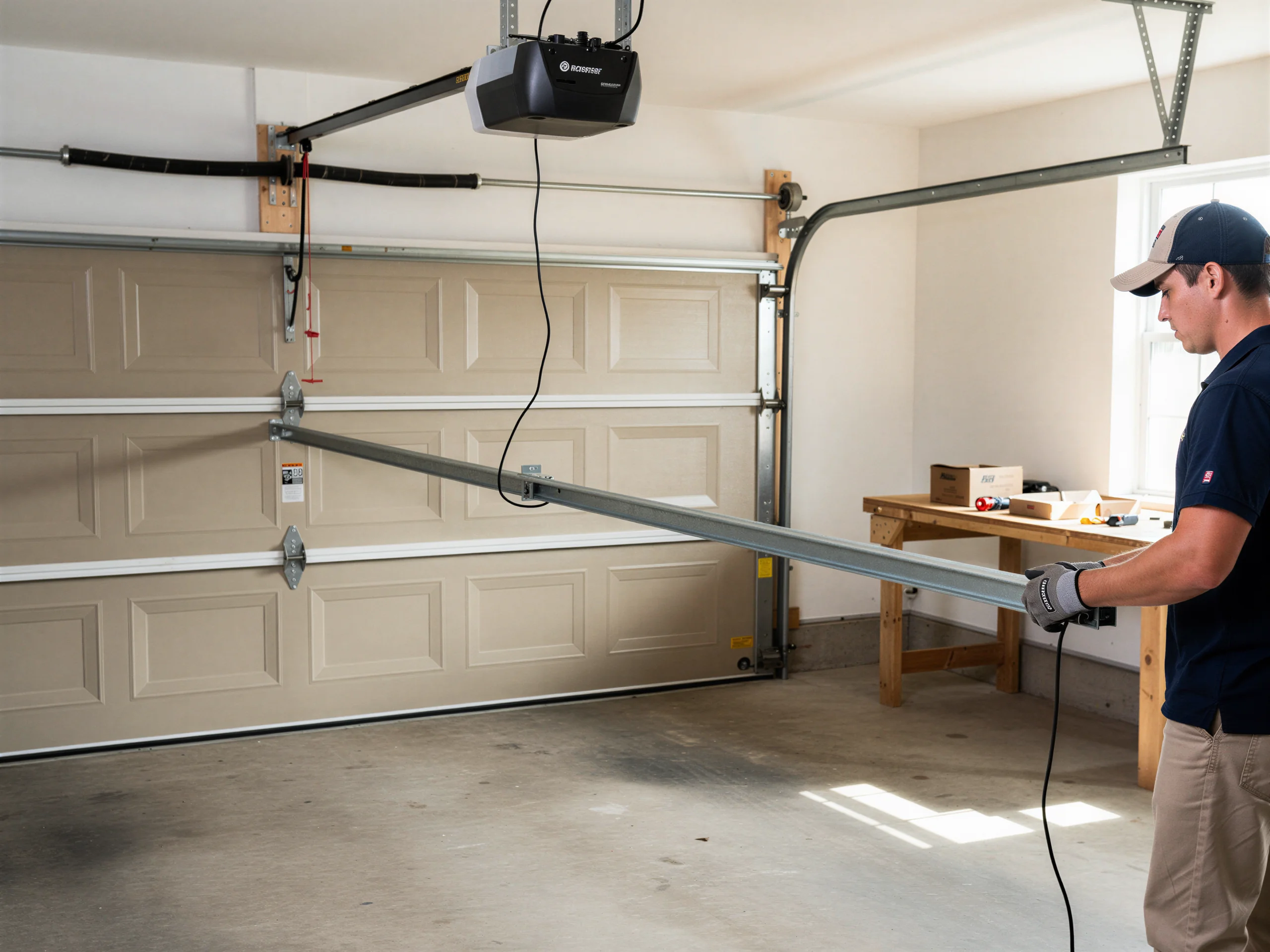
Opener Installation
Ken Caryl homes mostly went up in the 1980s with larger two-car doors and older chain-drive openers. Learn more →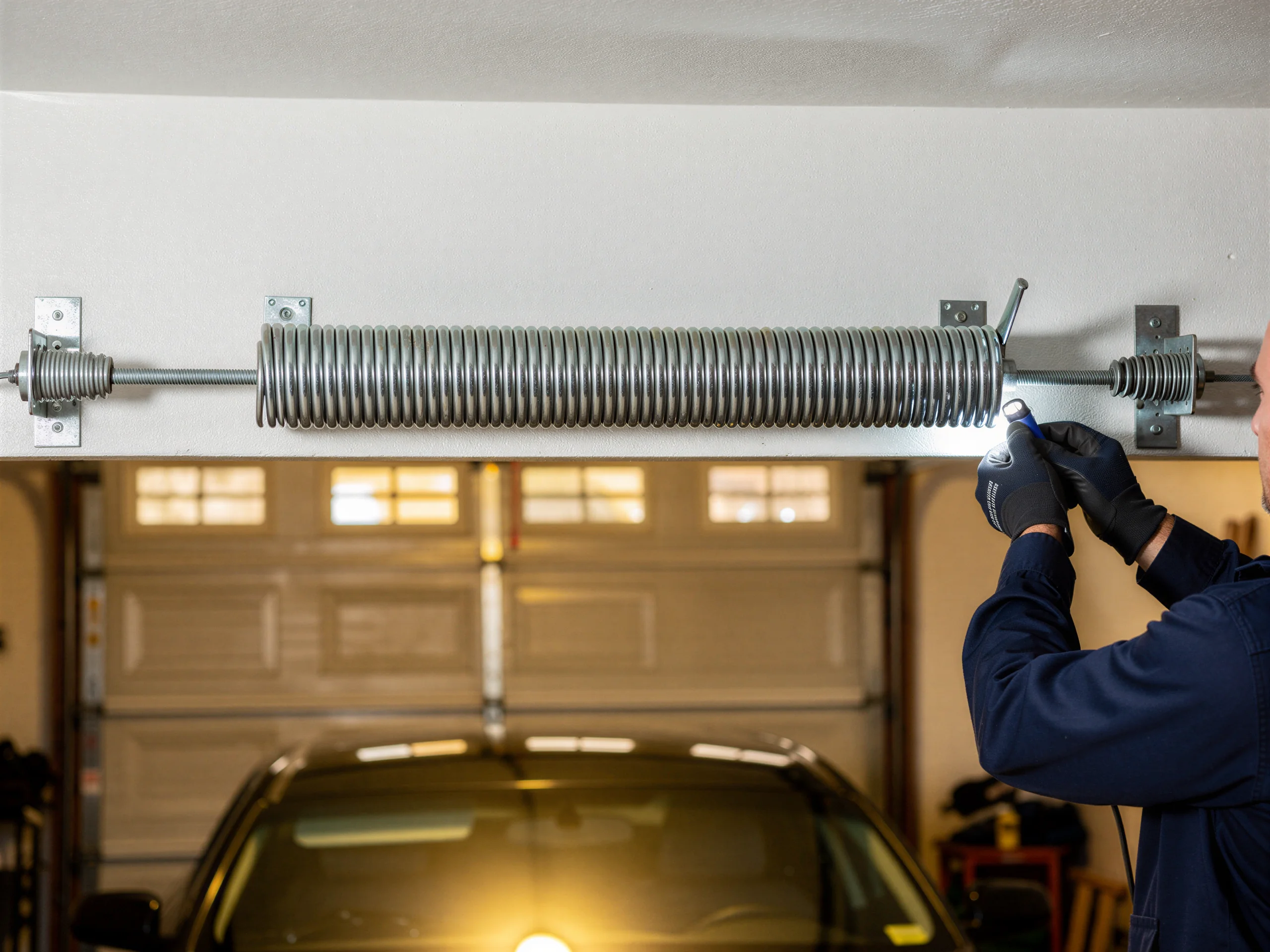
Ready when you are
Noisy or worn garage door rollers in Ken Caryl?
Littleton Garage Door Pros repairs and installs garage doors, springs and openers in Littleton, CO and the surrounding area.